
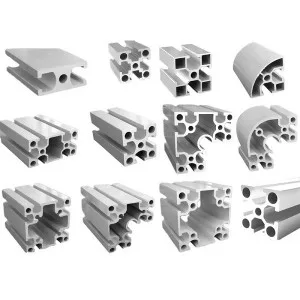
Custom aluminum profile manufacturer
Custom Aluminium profile is widely used in construction, machinery, industry, etc. Aluminium profiles are a great way to add both style and function to your home.
Read MoreAluminum Profile Cutting Equipment Sourcing in China: Manufacturer and Factory Supplier Review | SUZHOU TOP METAL MATERIALS CO.,LIMITED
For a product development team, sourcing from a China Aluminum Profile Cutting Equipment Manufacturer, Factory & Suppliers page starts with quality questions, not only price comparison. The right review should connect equipment fit, project requirements, and the documents needed for internal approval.
Use this page to shortlist related products, prepare RFQ details, and compare supplier responses for a new product line. Focus on specifications, inspection points, packaging needs, lead-time questions, and clear communication before moving to samples or bulk order planning.
Custom Aluminium profile is widely used in construction, machinery, industry, etc. Aluminium profiles are a great way to add both style and function to your home.
Read More
1050 aluminum strip coil are often used in daily necessities, lighting fixtures, reflectors, decorations, chemical industry containers, heat sinks, signs, electronics, lamps, nameplates, electrical ap…
Read More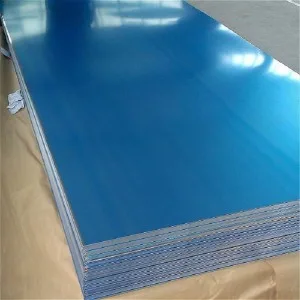
Aluminium 1080A, with the European designation EN AW-1080A is a ‘commercially pure’ alloy, minimum 99.8% Al, available as round bar or wire For the 1080 industrial pure aluminum, with high plast…
Read More
Plain 3003 Aluminium Alloy Plate Aluminum Roofing Coil For Trailer 3000 series aluminum Plate are widely used in construction,decoration,pipe, packing,automobile,air conditioner ,pot,containers,refrig…
Read More
Aluminum 1100 can be shaped into many different products and most frequently appears in railroad tank cars, fin stock, dials, cooking utensils, name plans, chemical equipment, dials, and more. The plu…
Read More
3003 Aluminum Sheet Features ♦ Alloy: 3003 ♦ Temper: H14, H16, H18, H22, H24, H26, O ♦ Thickness(mm):0.25-10 ♦ Width(mm):800-2200 ♦ This series aluminum sheet is anticorrosive and its production techn…
Read MoreProduct Development Quality Review
The related product list helps you compare China Aluminum Profile Cutting Equipment Manufacturer, Factory & Suppliers by actual product direction rather than keyword wording alone. Check whether each product supports new product line development, then use the table below to prepare a clearer RFQ.
| Criterion | What To Check | Why It Matters | Buyer Tip |
|---|---|---|---|
| Cut quality | Burrs, angle, edge finish | Affects fit-up and rework | Request sample cut photos |
| Profile range | Max width, height, wall | Confirms new line coverage | List all target profiles in RFQ |
| Tolerance control | Length and squareness specs | Supports quality review | Ask for inspection method |
| Documentation | Manuals, QC records, drawings | Helps supplier comparison | Request files before order |
| Packing plan | Protection, labels, crate details | Reduces transit damage risk | Define bulk packing needs |
If you are searching for China Aluminum Profile Cutting Equipment Manufacturer, Factory & Suppliers, you likely need a supplier that can respond to technical requirements, quotation details, and project timelines in a structured way. Start by sharing the profile size range, cutting requirements, expected quantity, destination, and any drawings or sample references.
A practical supplier comparison should include product specifications, available customization, inspection expectations, packaging requirements, and lead-time communication. This helps your team judge whether the product option fits the development stage before discussing bulk orders.
Begin with a clear quality review checklist. For aluminum profile cutting equipment, confirm the basic specification range, intended profile type, accuracy expectations, operating needs, and any accessories or configuration details relevant to your project. If you are developing a new product line, include drawings, photos, or target product references to reduce unclear back-and-forth.
Prepare RFQ information before contacting suppliers. Useful details include order quantity range, sample needs, destination port or delivery address, required packaging, labeling requirements, and expected decision schedule. This allows suppliers to answer with more practical quotation information instead of a general product list.
Ask about documentation that supports internal review. Depending on your process, this may include specification sheets, inspection items, packing information, photos, or other project-related records that help your team compare supplier options. Keep the request specific and avoid assuming that every supplier provides the same document format.
When reviewing replies, look at the quality of supplier communication. A supplier that asks relevant follow-up questions about application, bulk order preparation, lead time, and packaging may be easier to evaluate than one that only provides a price. Compare related products carefully if different equipment options could meet the same project goal.
| Criteria | Importance | Description | Example Options |
|---|---|---|---|
| Cutting accuracy | High | Controls profile fit quality | Tolerance review |
| Inspection documents | High | Supports supplier comparison | QC checklist |
| Configuration clarity | Medium | Avoids RFQ ambiguity | Blade and control |
| Packaging method | Medium | Protects equipment handling | Wooden crate plan |
| Related models | Medium | Matches production workflow | Manual vs automatic |
Recommended Products
Top product matches should be reviewed by fit, specification clarity, customization readiness, and how well they support quality review. Use these factors to shortlist practical options before contacting the supplier.
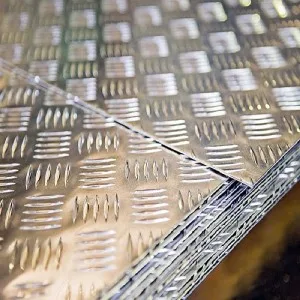






How to compare 5052, 5083, 6061 and 7075 aluminum
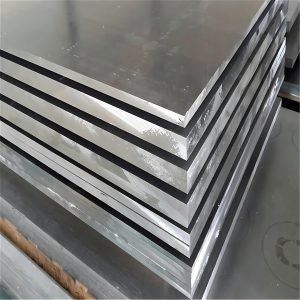
T6 vs T651 vs H116: what the suffix changes
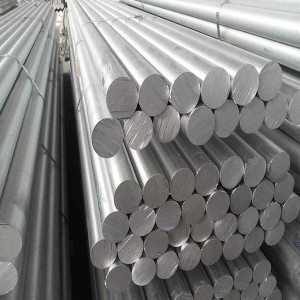
Estimating material weight before shipment planning

When anodized sheet is better than mill finish aluminum
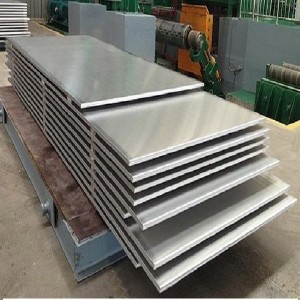
High-strength aluminum plate for aerospace and tooling work
Buyer-style feedback on this page reflects common sourcing situations such as comparing supplier options, checking product specifications, planning a custom project, and shortlisting related products for internal review.
I used the aluminum profile cutting equipment tag page to separate blade capacity, profile length, and automation questions before drafting our supplier inquiry.
I was comparing aluminum profile cutting equipment for a window frame line, and the page helped me focus on cutting accuracy and fixture requirements.
Before involving engineering, I reviewed this aluminum profile cutting equipment page to clarify whether we needed manual positioning, semi-automatic feeding, or cleaner miter cuts.
This tag page helped me turn a broad aluminum profile cutting equipment search into a tighter RFQ covering profile dimensions, cut finish, and workflow fit.
Ask for machine model scope, cutting capacity, applicable aluminum profile types, tolerance reference, blade options, control method, inspection checklist, and required drawings. Clear questions help compare suppliers during new product line planning.
Review cutting accuracy, end-face finish, burr control, clamping stability, repeat positioning, blade alignment, safety guarding, and documented test procedures. Request sample inspection records or trial-cut evaluation criteria before confirming technical fit.
Share expected model quantity, configuration differences, electrical requirements, spare parts needs, packaging preferences, labeling format, and documentation list. This helps the supplier prepare a consistent quotation and reduces later specification changes.
Ask the supplier to explain typical production steps, drawing confirmation timing, inspection sequence, packaging preparation, and factors that may affect scheduling. Request a project timeline proposal rather than assuming fixed delivery commitments.
Confirm crate type, moisture protection, machine fixing method, accessory packing, labeling details, and document placement. For export handling, also ask how vulnerable parts, control panels, and cutting components are protected during transit.
Compare manual, semi-automatic, and automatic cutting equipment by cutting range, positioning method, control interface, inspection needs, maintenance access, and production workflow fit. The best option depends on the planned product line process.
Send your RFQ with profile details, drawings or photos, quantity range, destination, packaging needs, and expected timeline so the supplier can review your project requirements more clearly.