China 24-Gauge Aluminum Sheet: Manufacturer Checks | SUZHOU TOP METAL MATERIALS CO.,LIMITED

China 24-Gauge Aluminum Sheet: Manufacturer Checks

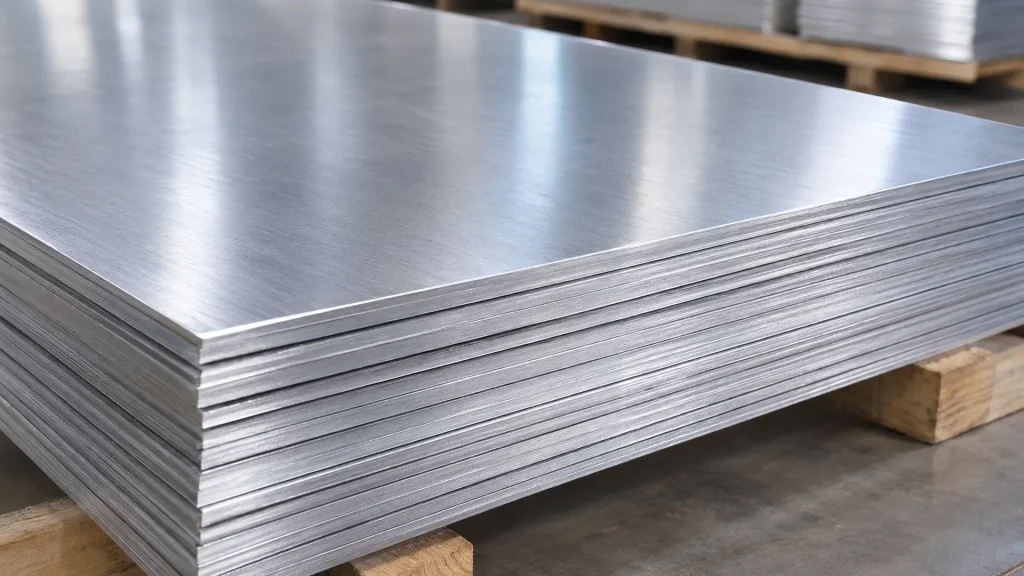
For a 24-gauge aluminum sheet, the first decision is whether its actual thickness and forming behavior suit the part. Gauge alone is not enough to order from: confirm the thickness in millimeters or inches, along with the alloy and temper, before comparing offers.

Related Products

Match the sheet to the finished part

Sheet selection

Compare 24-gauge options by confirmed thickness, alloy, temper, sheet size and surface condition. The right combination depends on what happens to the sheet after delivery, especially forming and visible finishing.

Criterion What To Check Why It Matters Buyer Tip
Actual thickness behind 24 gauge Ask for the nominal thickness in millimeters or inches and the permitted tolerance; do not use a steel gauge chart. Gauge numbers alone can lead to the wrong thickness for a formed part or enclosure. Can the manufacturer confirm the thickness range on its quotation?
Alloy and temper Match the specified alloy and temper to the drawing, especially if the sheet will be bent or formed. Temper changes formability, while alloy choice affects the material's suitability for the application. Tell suppliers where the part bends and ask which alloy and temper they propose.
Sheet size and flatness State the required cut size and any flatness limit needed for assembly or fabrication. A sheet can meet its thickness requirement yet still cause problems when cut or fitted. For buyers in China, can the factory confirm the supplied dimensions and applicable flatness tolerance?
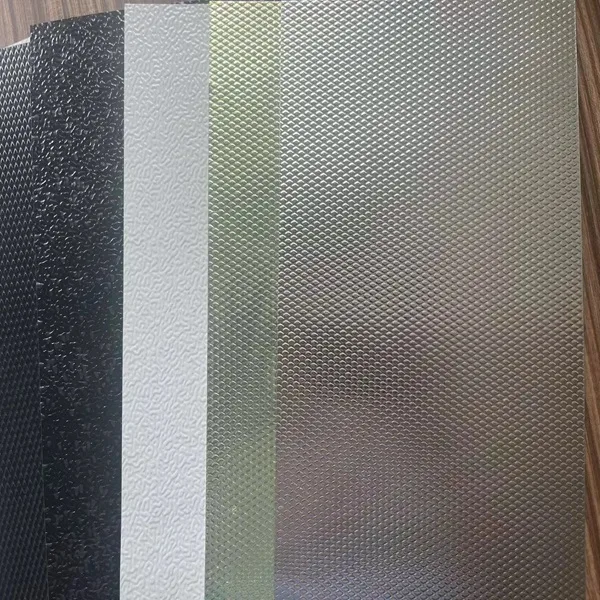
Surface finish and handling Define which face is visible and whether scratches, marks or protective film matter. A cosmetic panel needs a different surface standard from a concealed component. Can the manufacturer confirm the finish and how the visible face will be protected?

Confirm thickness, temper and supply form

Two sheets sold as 24 gauge may not be interchangeable. Gauge conventions can differ by material, while alloy and temper affect how a sheet bends and holds its shape. A sheet intended for a formed cover may need a different temper from one used as a flat panel, even if both meet the same thickness requirement.

Start with the drawing or finished part. Specify the required thickness and tolerance rather than relying on “24 gauge” alone, and check whether the design needs stiffness, easy forming or a particular surface appearance.

Choose alloy and temper around the process. If the sheet will be bent or stamped, ask the manufacturer what material they propose for that operation. If it will remain flat and visible, discuss finish and handling marks as well as thickness.

Confirm the supply form before comparing quotes. Sheet dimensions, cut-to-size needs, protective film and surface finish can change which offer is suitable. Ask suppliers to state these details clearly rather than assuming a quoted sheet matches the drawing.

If sourcing from China, confirm with the factory or sales contact which thickness standard they used, the offered alloy and temper, and the supplied sheet size. Send a drawing or brief application description so any mismatch can be resolved before ordering.

Criteria Importance Description Example Options
Thickness definition Essential for fit and material comparison Compare a stated thickness and tolerance, not just the gauge label. Two offers marked “24 gauge” should be checked against the same drawing thickness.
Alloy and temper Especially important for bends or stamped features A more formable option may suit tight shaping, while a harder temper may better suit a part that must retain its shape. A formed cover and a flat panel may call for different tempers.
Panel stiffness Important for broad or lightly supported surfaces If the proposed sheet flexes too much in the design, compare a thicker sheet or a change to the panel supports. A wide panel with few supports may need a different approach from a small, fully framed insert.
Surface and supply form Important when the finished face or cutting yield matters Check the required finish, protected face and sheet dimensions against the fabrication plan. A visible panel may need a specified face condition; a nested cut pattern may favor a particular sheet size.

Blog Articles / Reviews

Frequently Asked Questions

Is this sheet suitable for a bent enclosure?

It may be, but the bend geometry and material temper matter alongside thickness. Share the drawing with the manufacturer and ask which alloy and temper they would propose for the formed part.

Would a thicker sheet be better for a flat panel?

A thicker sheet can offer more stiffness, but it also adds weight and may change how the panel is cut or formed. Compare the options against the panel’s span, support points and finished appearance rather than choosing by gauge alone.

Does 24 gauge mean the sheet is 0.024 inches thick?

No. A gauge number is not a decimal-inch measurement, and gauge conventions vary by material. Put the required thickness and tolerance in inches or millimeters on the order.

What should I check if one face will be visible?

Identify the visible face and agree on the required surface condition before ordering. Ask how the sheets will be protected during handling, and confirm that any protective film suits your finishing process.

What should I ask before ordering from a factory in China?

Ask for the proposed alloy and temper, thickness tolerance, sheet dimensions and surface condition in the quotation. If you need cut-to-size sheets or a particular face protected, have the supplier confirm those details explicitly.

Leave Your Message

Tell us the required thickness or drawing reference, intended forming or end use, and sheet dimensions so we can discuss a suitable material.