
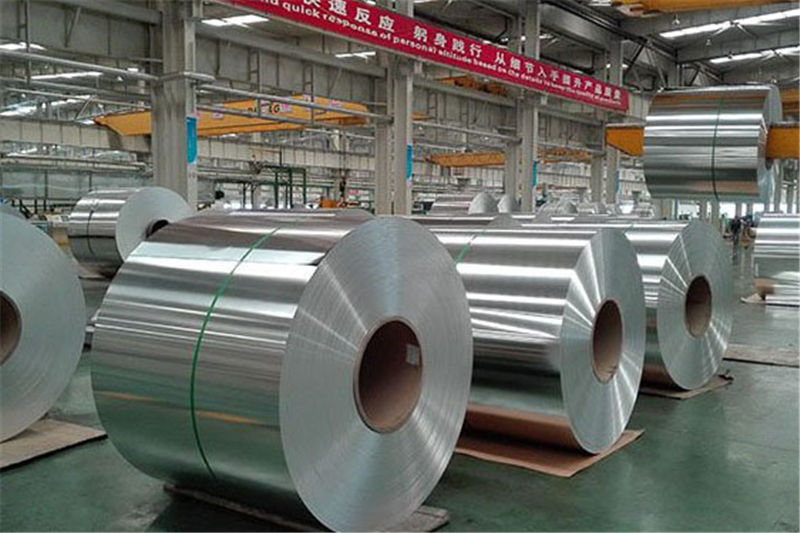
5052 Aluminum Sheet
5052 aluminum sheet is a versatile Al-Mg alloy offering excellent corrosion resistance, good workability, and moderate-to-high strength. Available in O, H32, H34, H36, and H38 tempers with thickness f…
Read MoreAluminum Sheet 5052 H32 Selection Guide | SUZHOU TOP METAL MATERIALS CO.,LIMITED
5052-H32 aluminum sheet is a practical choice for formed panels, enclosures and covers that need corrosion resistance and more stiffness than fully annealed 5052-O. The key decision is whether H32 provides enough formability for your bends while meeting the finished part’s strength and surface requirements.
5052 aluminum sheet is a versatile Al-Mg alloy offering excellent corrosion resistance, good workability, and moderate-to-high strength. Available in O, H32, H34, H36, and H38 tempers with thickness f…
Read More
China aluminum sheet coil suppliers RAYIWELL MFG / RuiYi aluminum can offer 1050 1100 2024 3003 4017 5052 6061 7075 aluminum sheet or aluminum coil in custom sizes and patterns…
Read More
5052 is an aluminium alloy, primarily alloyed with magnesium and chromium 5052 aluminum is the highest strength alloy of the more non-heat-treatable grades. Its resistance to fatigue is better than mo…
Read More
Commercial Grade 5052 Aluminum Plate Customized Aircraft Grade Aluminum Sheet Thickness 1.25″-16″ Width 36″-96″ Length 96″, 120″, 144″, 240″, 288″, 260″ Diamond tread and 5 bar tread plate
Read More
Brushed Aluminum Sheets are produced by using abrasive paper repeatedly to scrape lines on aluminum sheet. The main technological process can be divided into three pats: degrease, sander and washing. …
Read More
Aerospace aluminum is preferred because of high strength to weight ratio, ductility and resistance to corrosion. It is also non-magnetic. There is a wide range of variations in the compositions of alu…
Read MoreSheet selection
Compare 5052-H32 sheet by thickness, available size, tolerance and surface condition, then check those choices against the bends and appearance your part requires.
| Criterion | What To Check | Why It Matters | Buyer Tip |
|---|---|---|---|
| 5052-H32 temper | Confirm that the order and material documentation identify both alloy 5052 and temper H32. | An annealed or harder temper can behave differently during forming and in the finished part. | Can you provide documentation identifying the alloy and temper for this sheet? |
| Thickness and tolerance | Compare the specified thickness and permitted variation with the drawing or assembly clearance. | Thickness affects stiffness, part weight and fit; nominal thickness alone may not settle a close fit. | What thickness tolerance can you supply for the required gauge? |
| Bend requirements | Share the bend radius, bend angle and grain-direction requirements before selecting the sheet. | A bend that works in one layout may crack or mark in another. | Can you review the drawing for bends that may be difficult in H32? |
| Surface condition | Specify which face is visible and whether the part will be painted, anodized or left unfinished. | Handling marks or surface variation matter more on an exposed face than on a concealed part. | What surface condition and protective packing can you offer for the visible face? |
| Sheet size and flatness | Match the supplied sheet dimensions and flatness requirements to the cutting layout. | Size affects cutting waste, while poor flatness can complicate fabrication or assembly. | Can you supply the required sheet size and confirm the applicable flatness tolerance? |
H32 is a temper, not a thickness or surface finish. Compared with 5052-O, it offers higher strength but less room for tight forming. If a part has sharp bends or deep draws, check the bend geometry before specifying H32; if it needs greater strength with modest forming, compare it with H34.
5052 is not heat-treatable for strengthening. Welding can soften material near the joint, so a welded part should be assessed in its finished condition rather than by sheet temper alone.
Start with the finished part. Sheet thickness affects stiffness, weight and bending behavior; temper alone will not tell you whether a panel will resist flexing. Provide the part dimensions and any critical flatness or thickness tolerances.
For bent parts, identify the tightest bend, bend direction if relevant, and whether the sheet will be welded. A common mistake is selecting a stronger temper without checking whether the required forming operation remains practical.
Specify the surface condition the application needs. A visible enclosure panel may need different handling and finish expectations from a part that will be painted or hidden. State which face will be exposed and whether scratches or protective film matter.
For an inquiry to SUZHOU TOP METAL MATERIALS CO.,LIMITED, send the required thickness, sheet size and a drawing or description of the forming operation. Ask which 5052-H32 sheet condition, dimensional tolerances and surface options can be supplied for that part.
| Criteria | Importance | Description | Example Options |
|---|---|---|---|
| Temper and forming | Critical for parts with demanding bends or draws. | A stronger temper may be less forgiving during forming; judge it against the actual part geometry. | A shallow folded cover and a deep-drawn housing may call for different temper choices. |
| Thickness and panel support | Important when flexing or weight affects the design. | Evaluate thickness together with panel span, folds and supports rather than relying on temper alone. | A wide unsupported panel may need a different thickness or added support. |
| Surface appearance | Especially important for exposed parts. | Define the acceptable surface condition and any finishing process before comparing offers. | A visible cabinet door may need a more closely controlled appearance than a concealed bracket. |
| Assembly environment | Important where moisture, fasteners or welded joints affect the finished part. | Consider corrosion exposure and joining methods in the assembled design, not just the sheet designation. | A panel joined to a dissimilar metal needs an assessment of the contact area. |
| Sheet or blank tolerances | Important for parts that must fit existing tooling or assemblies. | Confirm the dimensions and tolerances that matter after any cutting operation. | A blank for a fitted enclosure may need tighter edge-position control than a panel trimmed during assembly. |
Related Options
For a formed equipment cover, confirm bend feasibility before prioritizing a stronger temper: a sheet that meets the strength requirement still has to form cleanly into the specified shape.
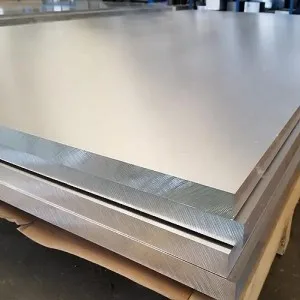
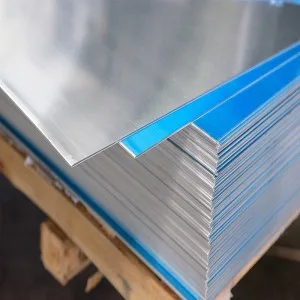





5052 aluminum sheet and plate are flat-rolled aluminum-magnesium products considered for parts that need formability, corrosion resistance and moderate strength. Choosing the material means specifying…

Perforated aluminum sheet can provide a ventilation path, but open-area percentage is not an airflow or pressure-drop rating. Begin with the hole pattern, calculate the openings available after solid …

When buyers search for a reflective aluminum sheet manufacturer, the key challenge is usually not finding a supplier website. The more important question is whether the supplier can provide a product …

A request for 6061 0 aluminum sheet is a temper-specific purchasing question, not simply a request for generic 6061 sheet. That distinction matters when a buyer compares supplier quotations. TOP METAL…

Anodized aluminum sheet thickness can mean two different things: the thickness of the aluminum substrate and the thickness of the anodic oxide layer. They are not interchangeable. Substrate thickness …

Stucco embossed aluminum sheet changes the surface appearance of insulation jacketing. Its irregular texture makes minor handling marks less conspicuous and reduces glare compared with a smooth finish…
5052-H32 is often considered for outdoor panels because of its corrosion resistance. Check the enclosure’s exposure, drainage, contact with dissimilar metals and required appearance before deciding whether a coating or other protection is needed.
5052-H32 is generally the better starting point for a part that needs substantial bending. Consider 6061 when the design places more weight on machining or higher strength, but compare the specified tempers and forming requirements rather than alloy names alone.
No. Trapped moisture, aggressive environments and contact with dissimilar metals can still cause problems. Assess corrosion resistance in the assembled part, including fasteners and joints.
5052 can be anodized, but a suitable coating thickness does not guarantee the color or appearance a visible panel needs. Agree on the desired finish and appearance standard, and ask whether a sample can be reviewed before ordering.
Provide the blank dimensions and required edge and dimensional tolerances. Ask whether cut-to-size blanks are available and how the cut edges and exposed faces will be handled.
Share the required thickness and sheet size, plus a drawing or description of the bends, to ask about a suitable 5052-H32 option.