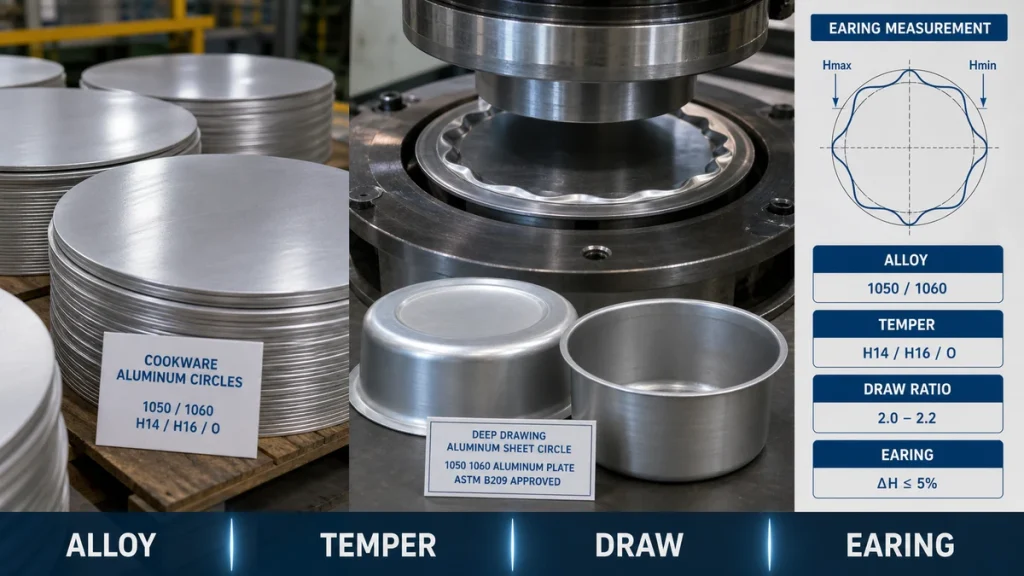
China Aluminum Sheet Amazon Manufacturer, Factory & Suppliers should be evaluated by how closely available aluminum sheet options match your required grade, thickness, width, length, finish, temper, and packaging method. For bulk purchasing, the best first step is to define the application and the technical limits that cannot change.
Send suppliers a structured inquiry with quantity range, destination, target use, sample needs, and any drawings or photos. This helps you compare quotations on the same basis instead of relying only on unit price or a general catalog.
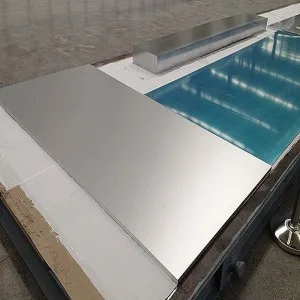
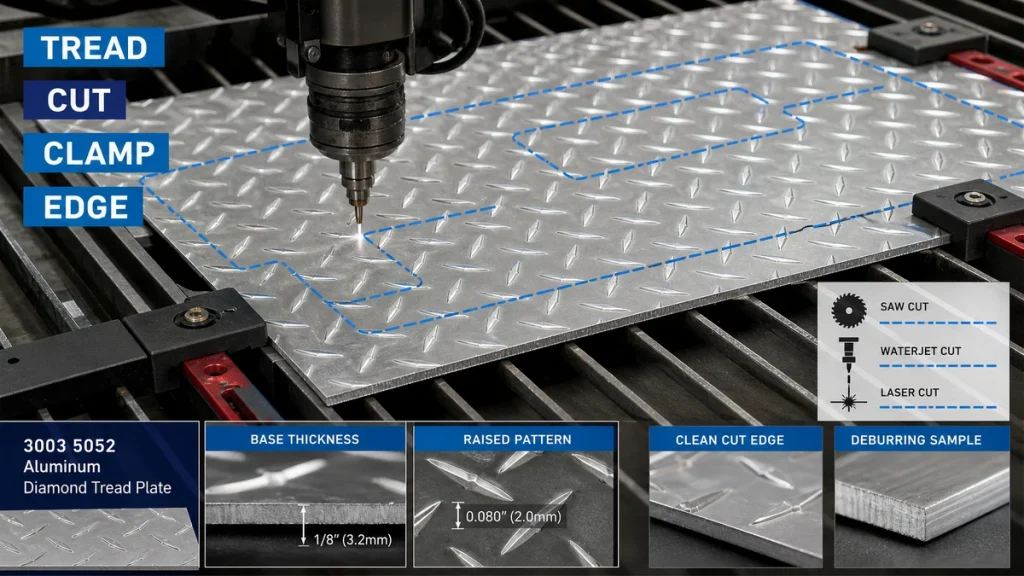
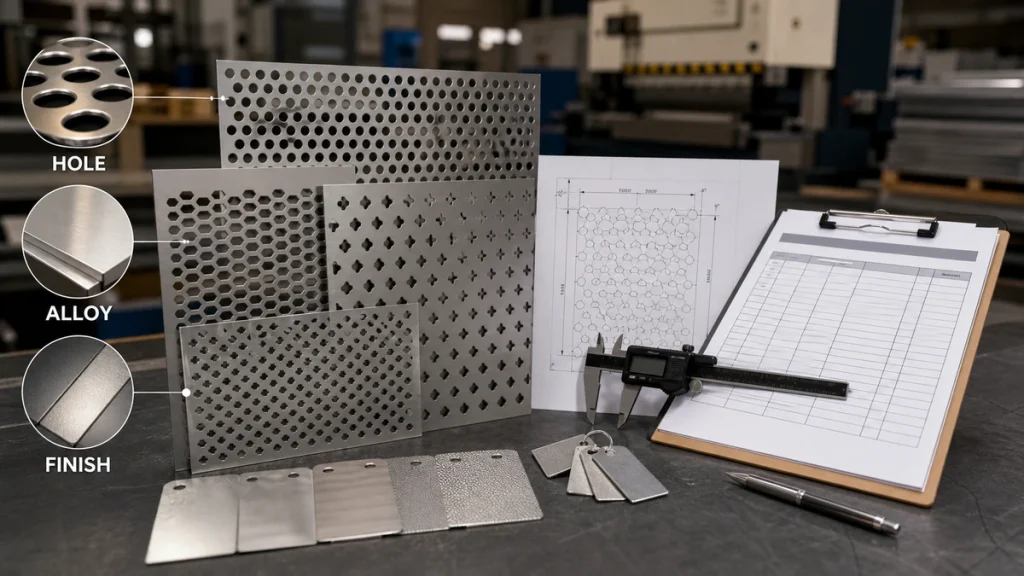
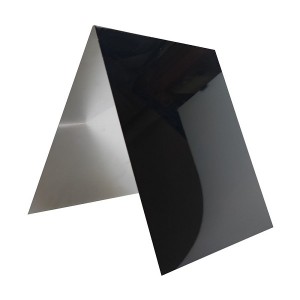
Begin with the material checklist. Confirm the aluminum alloy, temper, thickness tolerance, sheet size, surface condition, and whether the sheet will be cut, formed, coated, or used as a visible component. If you are unsure which grade fits the application, describe the working environment and performance expectations.
Next, clarify configuration and packing requirements. For export orders, include pallet type, moisture protection, film or paper interleaving, labeling, carton or crate needs, and any warehouse handling limits. Packaging can affect both protection and unloading efficiency, so it should be discussed before final quotation.
When preparing an RFQ, include estimated order quantity, trial order quantity, delivery destination, preferred trade terms, expected lead time, and whether samples are required before mass production. Sample confirmation is useful for checking surface, flatness, size accuracy, and general handling quality.
Compare supplier responses by technical detail, question quality, and consistency. A practical supplier reply should address your sheet specifications, explain available options, and confirm what can be supplied. If alternatives are recommended, ask how they differ in material, size range, finish, and processing suitability.