A shallow, rimmed sheet cake pan keeps batter contained and is easier to handle than a flat baking sheet. Check the usable inside dimensions, not just the outside dimensions: rim width and corner shape can reduce the space available for the cake and affect how neatly portions cut.
Aluminum conducts heat well, but thickness and construction still matter. A pan that flexes may be harder to move when full, while a heavier pan may be less convenient to handle and store. Ask how the pan is constructed rather than choosing by material name alone.
Start with the cake you bake and the oven you use. Match the pan’s usable area and depth to your batter volume, portion size and available oven clearance. Check that you can lift and turn the filled pan without its rim catching on racks or nearby equipment.
Consider handling and cleanup next. A rim gives you a grip and contains batter, but its shape affects how easily you can release a cake or clean the corners. If you need a particular surface finish or coating, confirm that it is suitable for your baking and cleaning routine.
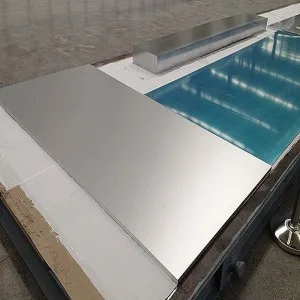
If you are buying aluminum sheet to manufacture pans, specify the forming method, target pan shape and required surface condition before settling on an alloy or temper. Do not assume that any aluminum sheet sold for general fabrication is suitable for food contact or will form without cracking.
Send a pan drawing or target inside dimensions, the expected oven use, and whether you need finished pans or sheet stock. Ask SUZHOU TOP METAL MATERIALS CO.,LIMITED which of those requirements it can supply and what material and finish information it can provide.