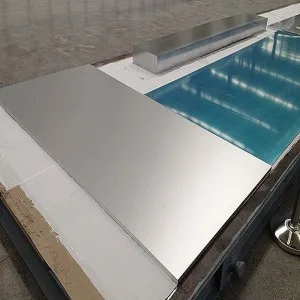
A distributor may supply sheet from stock or arrange material for an order. Stock can be useful when an available size and finish suit the job; an arranged order may be needed for less common combinations. Neither route alone tells you what is available or how the material will be documented. Ask whether the quoted sheet is on hand, what condition it is in, and which material records can accompany it.
Start with the operation the sheet must survive. Formed parts need a suitable temper, while parts that will be machined or carry a load may call for a different alloy and condition. Specify both alloy and temper rather than assuming that an alloy number describes the finished sheet.
Set out the dimensions in a way that matches your process: thickness, sheet size, required tolerances and any cutting needs. If a drawing calls for plate rather than sheet, clarify the intended thickness and product form before accepting a substitute.
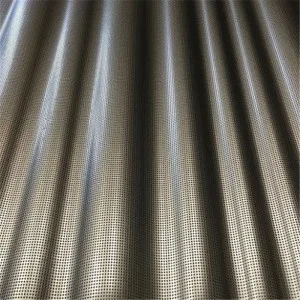
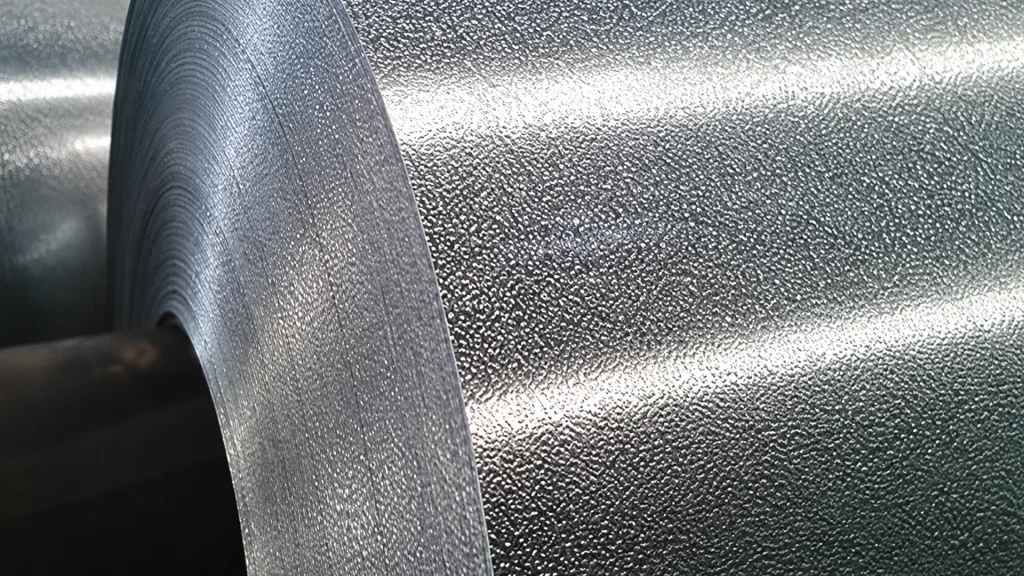
Treat the surface as a functional requirement when appearance or finishing matters. State whether the sheet will be anodized, coated, left visible or used for insulation jacketing. A protective film, a reflective surface and a stucco-embossed finish serve different purposes; do not rely on a general request for a “clean finish.”
Before committing, confirm the quoted material condition, available size, surface protection and documentation against your drawing or purchase specification. If an alternative is proposed, check which requirement changes rather than judging it by alloy name or price alone.