Aluminum Sheeting Home Depot Selection Guide | SUZHOU TOP METAL MATERIALS CO.,LIMITED

Aluminum Sheeting at Home Depot or for Repeat Parts?

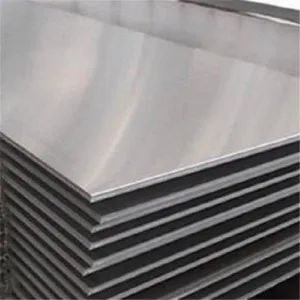
Aluminum sheeting for a repair, cover or small fabrication job is often easiest to buy as a pre-cut sheet at Home Depot. For a repeat project or a run of matching parts, the decision changes: sheet size, thickness, alloy and finish need to stay consistent across the order.

Related Products

Hot Selling 8011 Aluminum Plate

Hot Selling 8011 Aluminum Plate

There are different types of aluminum sheet metal, aluminum sheet grades means each type of cast aluminum plate has its special superior advantages. our main aluminum products including 1000 series al…

Read More

Match the aluminum sheet to the job

Sheet selection

Compare sheet options by intended use, alloy and temper, thickness, usable size and surface finish. Those details matter more than a general description such as “aluminum sheeting” when parts must be formed or reordered.

Criterion What To Check Why It Matters Buyer Tip
Sheet size and usable area Compare the listed dimensions with the finished part, including space for trimming. A retail sheet may fit a small repair but leave too much waste for repeated parts. Ask: Can you supply the required dimensions, and what are the size tolerances?
Thickness for the application Confirm the actual thickness rather than relying on a general description such as “thin sheet.” Thickness affects stiffness, weight and how easily the sheet bends. State the intended use and ask which thickness suits it.
Alloy and temper Look for a stated alloy and temper on the product information or quotation. Sheets that look alike can behave differently when bent or used outdoors. Ask: What alloy and temper would you recommend for this part, and why?
Surface finish and protection Confirm whether the sheet is mill finish or coated, and whether protective film is needed. Visible panels have different appearance and handling needs from concealed parts. Describe which face will remain visible and ask how its surface will be protected.
Retail purchase versus repeat supply Compare the number of sheets needed now with the sizes and quantities needed for future orders. A Home Depot sheet may be convenient for a one-off job; repeat production needs consistent material specifications. If the project will repeat, ask whether the same size, alloy, temper and finish can be supplied again.

Retail sheet or specified material?

The main difference is between buying a convenient piece and specifying material for an application. A retail sheet may suit a one-off cut panel, but its displayed dimensions alone may not tell you enough about how it will bend, look after fabrication or match a later order. For production work, confirm the alloy and temper as well as the thickness and surface condition before treating two sheets as interchangeable.

Start with what the sheet must do. A decorative cover puts more weight on visible finish; a formed part needs attention to bending behavior; an outdoor panel calls for a suitable material and finish for its exposure. Do not choose by appearance alone if the sheet will be cut or formed.

Check the usable dimensions, not just the nominal sheet size. Cutting margins, grain or finish direction, and the location of visible faces can affect how many parts you get from each sheet. A sketch of the finished part makes these requirements easier to communicate.

Thickness is not a substitute for alloy and temper. Two sheets of the same thickness can behave differently during forming. If the design calls for tight bends or a particular finish, describe those needs rather than selecting a grade from a photograph or a broad product name.

For a one-off job, compare the available sheet with your drawing before buying. For repeat quantities, send SUZHOU TOP METAL MATERIALS CO.,LIMITED the application, required sheet dimensions and thickness, and expected quantity; ask which alloy, temper and finish options they can supply for that use.


Criteria Importance Description Example Options
Pre-cut retail sheet versus specified sheet Choose based on whether convenience or repeatability matters more. A pre-cut piece can suit a single repair; repeated parts benefit from clearly defined material and dimensions. One cover panel may use an available retail size, while a recurring panel design needs a consistent material description.
Alloy and temper Important when the sheet will be bent, formed or reordered. These affect how the material behaves during fabrication; thickness alone does not identify an equivalent sheet. A formed enclosure panel needs a material choice that accounts for its bends.
Thickness and finished-part stiffness Important when flex, weight or available clearance matters. Compare thickness against the part design rather than assuming the thickest available sheet is the best choice. A lightweight cover and a panel that must resist flex may call for different thickness choices.
Surface condition Critical for visible parts; less important for concealed parts. Clarify the exposed face, acceptable marks and finish consistency before selecting material by appearance. Adjacent decorative panels need a more clearly defined visible finish than hidden covers.
Usable sheet size Important for cutting yield and edge quality. Allow for trimming and any required finish direction when comparing sheet dimensions. A panel that fits the nominal sheet size may still need a larger blank to allow edge trimming.

Product Selection

Related Options

For a visible equipment cover, prioritize a finish that meets the appearance requirement and a sheet size that allows the part to be cut without marks on the exposed face. A hidden formed bracket may call for a different alloy and temper choice.

Blog Articles / Reviews

6061 0 Aluminum Sheet: What Should Buyers Verify?

6061 0 Aluminum Sheet: What Should Buyers Verify?

A request for 6061 0 aluminum sheet is a temper-specific purchasing question, not simply a request for generic 6061 sheet. That distinction matters when a buyer compares supplier quotations. TOP METAL…

What Is an Aluminum Profile?

What Is an Aluminum Profile?

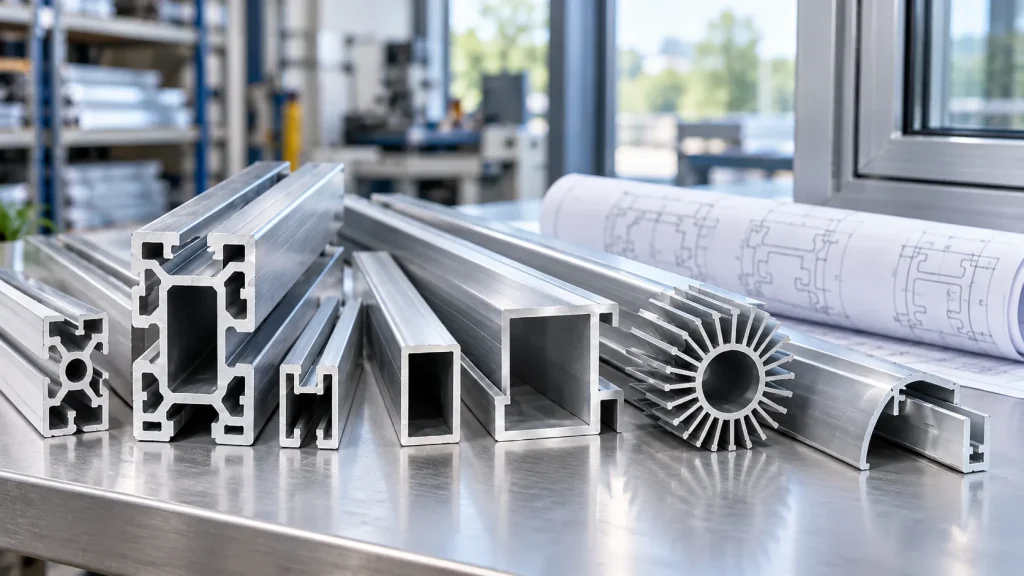
An aluminum profile is an aluminum or aluminum-alloy product with a defined cross-sectional shape that continues along its length. In construction and industrial supply, the term commonly refers to an…

Frequently Asked Questions

Is a pre-cut retail sheet suitable for an outdoor cover?

It may be, but check the stated alloy and finish against the expected exposure before buying. Also check how cut edges and fasteners will affect the finished part.

Should I buy sheet or plate for a stiff panel?

A thicker sheet may reduce flex, but thickness alone does not settle the design. Compare the required stiffness, weight and fabrication method before moving to plate.

Does the same thickness mean two aluminum sheets will bend alike?

No. Alloy and temper affect forming behavior, so sheets with the same dimensions may give different results at a bend. If the part has a tight bend, share the drawing and ask about a suitable material before ordering.

What should I check if the sheet will remain visible?

Confirm which face will be exposed and what surface appearance is acceptable, including marks or differences between batches. If several panels sit side by side, ask how finish consistency will be handled.

What information is useful when requesting material for repeat parts?

Provide the part drawing, required thickness, planned fabrication steps and expected quantity. Ask which alloy, temper, sheet size and finish can be supplied consistently for subsequent orders.

Leave Your Message

Tell us what the sheet will be used for, the required dimensions and thickness, and the approximate quantity so we can discuss suitable options.