

Stucco Embossed Aluminum Sheet
A stucco embossed finish is designed to have superior durability, reduce glare and reflectivity, and also to give aluminum a decorative finish. The stucco aluminum sheet is also a finish that can stan…
Read MoreAluminum Sheet for Roofing | SUZHOU TOP METAL MATERIALS CO.,LIMITED
Aluminum sheet for a roof needs to match the roofing system, not just the required color or nominal thickness. The key decision is whether you need flat sheet for fabrication or preformed panels for installation. That choice affects sheet width, temper, finish and the details a supplier needs to quote.
A stucco embossed finish is designed to have superior durability, reduce glare and reflectivity, and also to give aluminum a decorative finish. The stucco aluminum sheet is also a finish that can stan…
Read More
3003 Aluminum Sheet Features ♦ Alloy: 3003 ♦ Temper: H14, H16, H18, H22, H24, H26, O ♦ Thickness(mm):0.25-10 ♦ Width(mm):800-2200 ♦ This series aluminum sheet is anticorrosive and its production techn…
Read More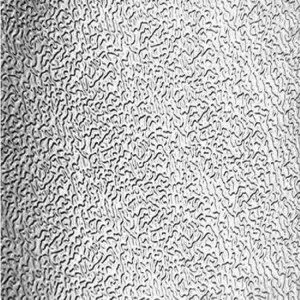
A stucco embossed finish is designed to have superior durability, reduce glare and reflectivity, and also to give aluminum a decorative finish. It is also a finish that can stand up to the elements wi…
Read More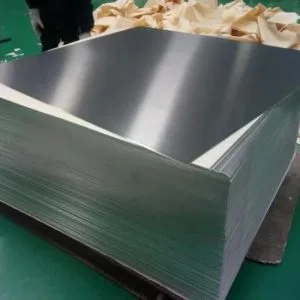
Aluminum clad sheets are widely used in architectural projects for building facades, curtain walls, roofing, and decorative elements due to their aesthetic appeal, durability, and weather resistance.
Read More
Low Strength 1100 H14 Aluminum Sheet 0.2mm-30mm Mill Finish Aluminum Sheet low strength H14 aluminium alloy plate supplier 0.2mm-30mm 1100 plate aluminum coil mill finish Alloy 1100 is a low strength …
Read More
A Pad Printing aluminum sheet or aluminum cliches is a plate or pad that is made from aluminum and has the desired image or design etched or engraved onto its surface. The…
Read MoreMaterial selection
Compare roofing sheet options by supply form, base-metal thickness, alloy and temper, finish, and dimensions. The right combination depends on how the material will be formed and installed.
| Criterion | What To Check | Why It Matters | Buyer Tip |
|---|---|---|---|
| Sheet profile and roof layout | Compare flat sheet with the required standing-seam or corrugated profile, including panel width and joint geometry. | The profile determines how panels join and shed water; flat sheet is not a substitute for a specified roof panel. | What roof profile and panel dimensions must the sheet fit? |
| Base-metal thickness | Ask for nominal aluminum thickness separately from any paint or other finish. | Counting the coating as metal can leave a panel thinner than the roof design calls for. | What base-metal thickness does the roof specification require? |
| Alloy and temper | Confirm the alloy and temper against the intended bends, forming method and roof design. | A sheet that suits one forming method may crack or spring back excessively with another. | Will the panels be formed before delivery or at the project site? |
| Exposed-surface finish | Compare finish type, color and suitability for the project's weather exposure. | Appearance and resistance to weathering depend on the finish as well as the underlying aluminum. | Which finish is specified for the visible roof surface? |
| System compatibility | Confirm the sheet works with the specified clips, fasteners, flashings and allowance for thermal movement. | A suitable sheet can still perform poorly if its joints and accessories do not match the roof system. | Can the proposed sheet be checked against the roof system drawings? |
Flat sheet and finished roofing panels are not interchangeable. Flat sheet gives a fabricator control over profiling, folding and flashing dimensions; finished panels need to match a specified profile and attachment system. Before ordering flat sheet, confirm that its alloy and temper suit the planned forming work. Before ordering panels, confirm the profile and dimensions against the roof design.
Start with the roof drawing and the fabricator’s material requirements. Specify the base-metal thickness separately from any coating, along with the required sheet or coil dimensions. Ordering by a vague “roofing gauge” can leave both thickness and usable width open to interpretation.
Choose the surface finish for the exposure and appearance you need. A coated sheet may provide the intended color and surface protection, but the finish specification should also cover exposed edges and formed areas as required by the project. Ask how the proposed finish will look alongside trims and replacement material.
Check compatibility across the whole assembly. Fasteners, adjacent metals, drainage details and the intended roof environment can affect long-term performance. The roofing designer or installer should confirm the material and attachment details for the project’s wind, weather and structural requirements.
For a useful material inquiry, send the drawing or profile, base-metal thickness, finish requirement and intended forming method. Ask SUZHOU TOP METAL MATERIALS CO.,LIMITED which alloy, temper and supply form it can offer against those requirements before treating a quoted sheet as suitable for the roof.
| Criteria | Importance | Description | Example Options |
|---|---|---|---|
| Roof pitch and panel joint | Determines whether the proposed system can shed water as designed. | Evaluate the panel profile and joint design against the roof geometry; sheet material alone does not establish suitability. | A shallow-pitch roof may call for a different joint design than a steep-pitch roof. |
| Aluminum versus steel | Matters when weight, stiffness and exposure influence the material choice. | Aluminum offers lower weight and does not rust like steel; compare structural requirements and the specified protective finishes before substituting one for the other. | A project may prioritize low roof weight, while another may prioritize panel stiffness. |
| Thermal movement | Becomes more consequential across long panel runs or large temperature changes. | Allow the roof designer to account for expansion and contraction in panel length, joints and attachment details. | A long continuous panel presents a different movement question from a short flashing. |
| Visible finish | Affects appearance over time and the ease of matching later repairs. | Compare bare and coated surfaces for the intended exposure and appearance, including how adjacent materials may weather. | A replacement panel may look different beside an older roof even when its initial color is similar. |
Related Options
For a roof with custom flashings, formability and finish consistency may matter as much as the main panel material. Confirm that the proposed sheet suits the fabricator’s bends and matches the specified visible surfaces.







When buyers search for a reflective aluminum sheet manufacturer, the key challenge is usually not finding a supplier website. The more important question is whether the supplier can provide a product …

A request for 6061 0 aluminum sheet is a temper-specific purchasing question, not simply a request for generic 6061 sheet. That distinction matters when a buyer compares supplier quotations. TOP METAL…

5052 aluminum sheet and plate are flat-rolled aluminum-magnesium products considered for parts that need formability, corrosion resistance and moderate strength. Choosing the material means specifying…

Anodized aluminum sheet thickness can mean two different things: the thickness of the aluminum substrate and the thickness of the anodic oxide layer. They are not interchangeable. Substrate thickness …
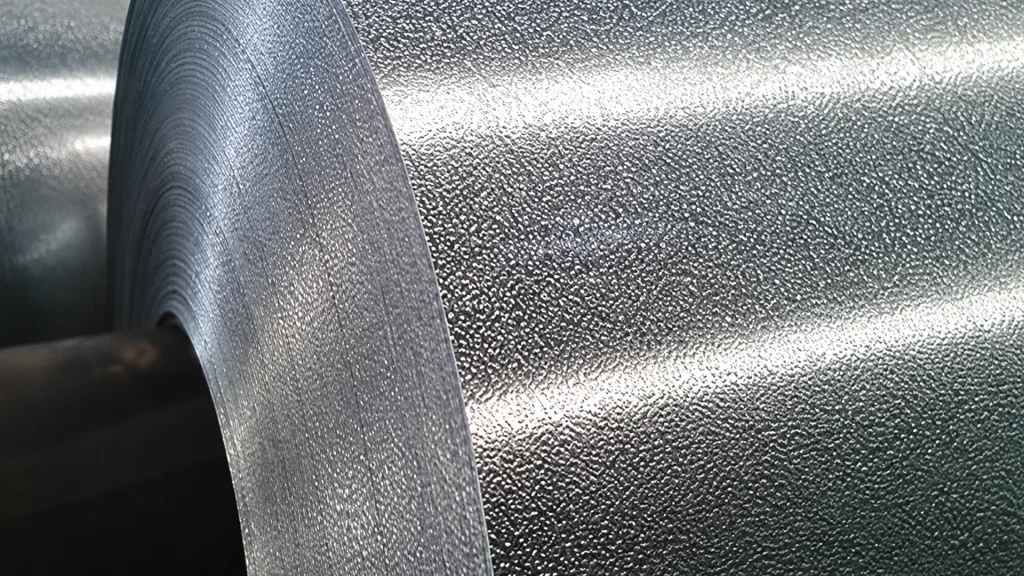
Stucco embossed aluminum sheet changes the surface appearance of insulation jacketing. Its irregular texture makes minor handling marks less conspicuous and reduces glare compared with a smooth finish…

Direct Answer: Buyers should ask an anodised aluminum sheet supplier China sourcing teams are reviewing to define the base alloy, temper, thickness, sheet size, anodizing sequence, finish, color-contr…
That depends on the roofing system, not the metal alone. Ask the roof designer to confirm that the proposed panel profile, seams and drainage details are suitable for the roof pitch.
Aluminum is lighter and does not rust like steel, which may favor it in some exposed environments. Steel may be preferred where the design calls for greater stiffness at a given thickness; compare the complete roof assembly rather than sheet weight alone.
Not by itself. Water resistance depends on the panel joints, penetrations, flashings and drainage design as well as the sheet material.
It can be, if its appearance and weathering behavior meet the project’s expectations. If consistent color is important, compare finish options and ask for an agreed appearance standard before ordering.
Match the existing profile and usable coverage, not just the overall sheet width. Confirm the finish and visible appearance too, since a new panel may stand out beside weathered material.
Share the roof profile or drawing, required base-metal thickness, and finish or color specification so the proposed material can be checked against your application.