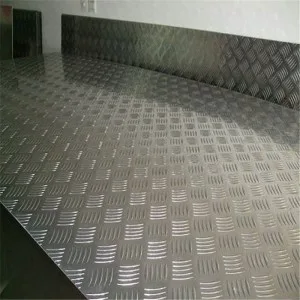
China Aluminum Sheets In Oregon Manufacturer, Factory & Suppliers can be evaluated by matching sheet specifications to the intended OEM application, including size, surface finish, forming needs, tolerance expectations, and packaging requirements. A clear inquiry helps the supplier confirm whether standard stock or customized production is more suitable.
Procurement managers should prepare drawings, target dimensions, quantity estimates, destination details, and sample approval requirements before requesting pricing. This makes quotations easier to compare and reduces back-and-forth during supplier screening.
Start with the application environment and production process. If the aluminum sheets will be cut, bent, stamped, coated, or assembled with other materials, share those details early. They help define the required grade, thickness, width, length, surface condition, and tolerance range.
For OEM project planning, customization scope should be separated into essential and optional requirements. Essential items may include dimensions, alloy, temper, finish, and protective film. Optional items may include special packaging, labels, pallet format, or documentation preferences.
Before asking for a quotation, prepare a basic RFQ package with estimated order quantity, sample quantity, delivery destination, requested lead time, inspection needs, and any export packing requirements. If you are comparing related materials, ask the supplier to explain differences in strength, surface appearance, processing suitability, and cost impact.
Sample confirmation is an important step for reducing sourcing risk. Confirm whether the sample represents standard inventory or future mass production, and check whether packaging, surface protection, and dimensional details match your project approval process.