Aluminum Sheets: Alloy, Temper and Finish | SUZHOU TOP METAL MATERIALS CO.,LIMITED

Choosing Aluminum Sheets for Your Parts

Aluminum sheets for bent parts, covers and visible panels need different combinations of strength, formability and surface finish. Start with what the part must do: an alloy that suits a formed enclosure may not be the right choice for a more heavily loaded component.

Related Products

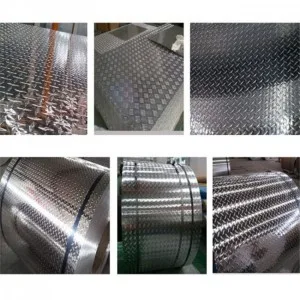
Stucco Embossed Aluminum Sheet

Stucco Embossed Aluminum Sheet

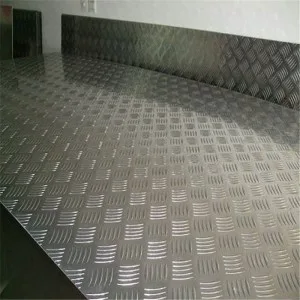
A stucco embossed finish is designed to have superior durability, reduce glare and reflectivity, and also to give aluminum a decorative finish. The stucco aluminum sheet is also a finish that can stan…

Read More

Match sheet properties to the part

Sheet selection

Compare aluminum sheet options by alloy and temper first, then check thickness, dimensions and surface condition against the drawing and intended process.

Criterion What To Check Why It Matters Buyer Tip
Alloy and temper Match the specified alloy and temper to the drawing and intended forming or machining. Temper changes strength and formability; an alloy number alone does not define how the sheet will behave. Will the sheet be bent, drawn, welded or machined?
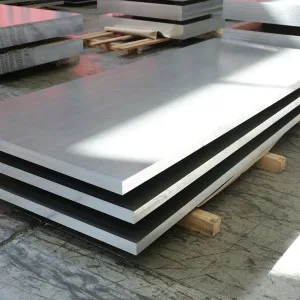
Thickness and cut size Confirm nominal thickness, allowable variation, length, width and edge condition. A sheet that is nominally the right size may still cause fit or cutting problems. Which dimensions have critical tolerances on your drawing?
Flatness Agree on an acceptable flatness requirement and how it will be checked. Waviness can affect assembly, machining and the appearance of large panels. Does the sheet need to lie flat before fastening or fabrication?
Surface finish and protection Specify the visible face, finish requirements and any protective film or packaging needs. Scratches or handling marks matter more on exposed panels than on concealed parts. Which face will remain visible in the finished product?

Set the material and finish requirements

Can you choose a sheet by alloy alone? No. Temper describes the material’s condition and can change how readily it bends as well as its strength. For example, a buyer considering 6061 for a formed part should check the proposed temper against the bend requirements rather than treating every 6061 sheet as interchangeable.

Match the alloy to the job before comparing offers. Consider forming, corrosion exposure, strength and appearance. If the part will be bent, share the bend direction and required inside radius so the proposed alloy and temper can be assessed together.

Specify thickness and cut dimensions from the finished-part drawing, including tolerances that matter. A nominal size alone may leave room for variation that affects fit or adds trimming work. If you plan to cut many identical blanks, ask whether supplied sheets or material cut from coil better suits the production process.

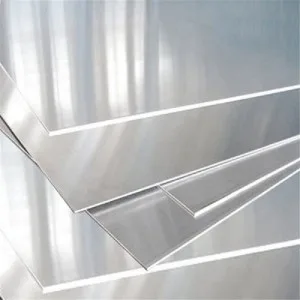
For visible parts, describe the acceptable surface condition rather than asking only for a “good finish.” State which face will be exposed and whether scratches, protective film or a later coating matter. A surface suitable for a concealed component may not suit a display panel.

Before ordering, confirm the proposed alloy, temper, dimensions and surface condition in the same specification. If substituting a grade could be useful, ask what would change in forming or service performance instead of approving it by name alone.

Criteria Importance Description Example Options
Service environment Important when the part faces moisture or chemicals Compare alloy and finish choices against the conditions the finished part will encounter. An outdoor cover exposed to salt spray calls for a different review than an indoor equipment panel.
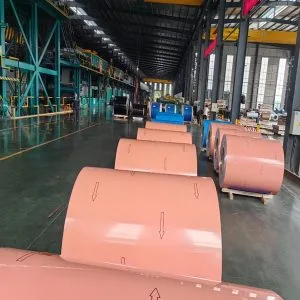
Sheet versus coil-fed blanks Depends on the cutting process and order pattern Compare supplied flat sheets with blanks cut from coil, including the required flatness and edge condition. A short run of large panels may favor sheets; repeated small blanks may suit coil-fed cutting.
Flatness Critical for close-fitting or visible assemblies Define acceptable bow or waviness where it could affect assembly or appearance. A broad cover that mounts against a frame may reveal waviness that would not matter in a small bracket.
Reflective appearance Application-specific rather than a default sheet requirement Distinguish a bright decorative surface from a surface intended to direct light. A visible trim panel and a lighting reflector may need different surface descriptions.
Handling protection More important for exposed faces than concealed parts Consider how sheets will be separated, identified and protected through delivery and subsequent processing. A panel with one visible face may need that face identified so it is handled consistently.

Product Selection

Related Options

For a bent enclosure with an exposed face, formability and visible-surface condition may matter more than maximum strength. Choose against those requirements rather than relying on an alloy designation alone.

Blog Articles / Reviews

6061 0 Aluminum Sheet: What Should Buyers Verify?

6061 0 Aluminum Sheet: What Should Buyers Verify?

A request for 6061 0 aluminum sheet is a temper-specific purchasing question, not simply a request for generic 6061 sheet. That distinction matters when a buyer compares supplier quotations. TOP METAL…

What Is an Aluminum Profile?

What Is an Aluminum Profile?

An aluminum profile is an aluminum or aluminum-alloy product with a defined cross-sectional shape that continues along its length. In construction and industrial supply, the term commonly refers to an…

Frequently Asked Questions

Is aluminum sheet suitable for an outdoor panel?

It can be, but the alloy, surface treatment and exposure conditions matter. Describe the expected moisture, salt exposure and cleaning chemicals so the material and finish can be assessed together.

Should I buy sheets or have blanks cut from coil?

Sheets are useful when your process needs flat pieces in defined sizes. Coil may suit repeated blanking runs, but the cutting process must still deliver the flatness and edge condition your parts need.

Does a bright-looking surface count as a reflective finish?

Not necessarily. A surface can look bright while scattering light rather than producing the reflection your application requires. If reflection matters, describe the intended use and the acceptable appearance instead of relying on “shiny” as the specification.

Will protective film prevent all marks on visible panels?

Film can help during handling, but it does not define the quality of the surface beneath it or eliminate every risk during cutting and forming. Agree on the exposed face and acceptable marks before choosing protection.

What should I confirm before approving a repeat order?

Confirm that the material identification, dimensions, tolerances and surface requirements match the approved specification. Ask how sheets will be identified and protected in the shipment if several sizes or finishes are ordered together.

Leave Your Message

Tell us the intended use, required thickness and sheet dimensions, and any alloy, temper or surface-finish requirements. We can then discuss which options may fit.