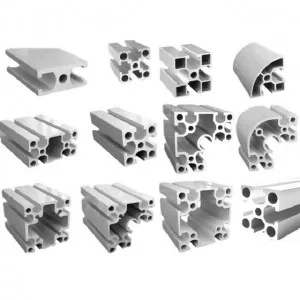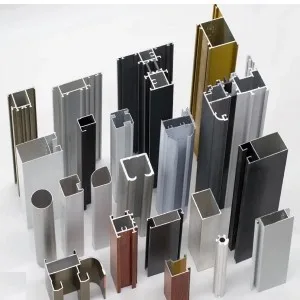
Anodized industrial aluminum profile extrusion
Anodized aluminum profiles extrusion can be seen in architectural and construction projects, in electronic and automotive industry, as well as in telecommunication and solar…
Read MoreAluminum T Profiles | SUZHOU TOP METAL MATERIALS CO.,LIMITED
An aluminum T profile can form a projecting rail, join panels or cover a seam. The first decision is what the cross-section must do: carry a load, provide a mounting edge or give a joint a clean finish. Profiles that look similar from the front can differ substantially in how they attach.
Anodized aluminum profiles extrusion can be seen in architectural and construction projects, in electronic and automotive industry, as well as in telecommunication and solar…
Read More
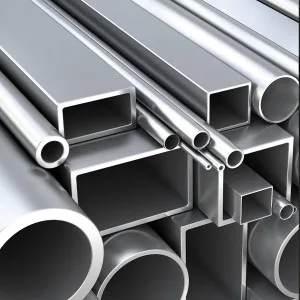
Aluminum profile refers to a long, narrow piece of aluminum that is used in construction and manufacturing. It is often used to create frames, rails, and other structural…
Read More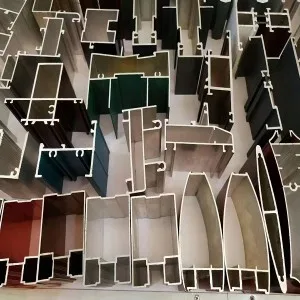
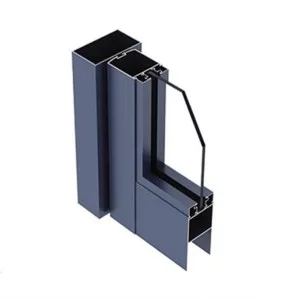
Extruded aluminum profiles (aluminum extrusion profile ) is used for a wide range of purposes, including components of the International Space Station, windows frame and automotives, building facades,…
Read More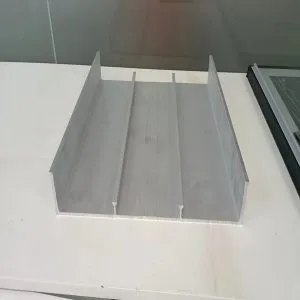
6061 aluminum formwork profiles are a common choice in modern construction projects due to their durability, versatility, and environmental benefits.
Read More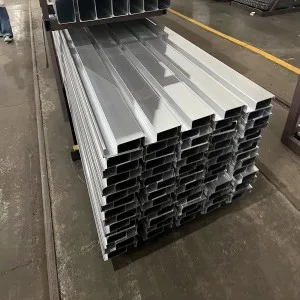
RAYIWELL MFG is a leading supplier and Manufacturer of 6061 6063 aluminum profiles, Aluminium Extrusion Sections, T Slot Aluminum Profiles, Industrial Aluminium Profiles, T-Slot Aluminium Profiles, Al…
Read More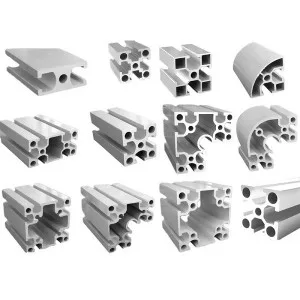
Custom Aluminium profile is widely used in construction, machinery, industry, etc. Aluminium profiles are a great way to add both style and function to your home.
Read MoreProfile selection
Compare aluminum T profiles by cross-section, mating fit, alloy and temper, finish, and supplied or finished length. The right dimensions depend on how the flange and stem meet the adjoining parts.
| Criterion | What To Check | Why It Matters | Buyer Tip |
|---|---|---|---|
| Solid T-bar or T-slot profile | Compare the cross-section drawing with the intended joint and fasteners. | A solid T-bar provides an exposed flange; a T-slot profile accepts compatible slot hardware. | Do you need a plain T-shaped section or a slot for adjustable connections? |
| Flange, stem and wall dimensions | Confirm flange width, stem height, thickness and any internal slot dimensions on a drawing. | Small geometry differences can prevent the profile from fitting a channel or mating part. | Can you share the mating-part drawing and identify the dimensions that control fit? |
| Alloy and temper | Ask which alloy and temper are available for the chosen cross-section. | These choices affect strength, formability and suitability for later machining. | Will the profile carry a load, be bent, or need machined features? |
| Finish and exposed surfaces | Specify whether the profile needs a mill finish or a particular surface treatment, and identify visible faces. | Appearance and surface protection matter more on exposed trim than on concealed framing. | Which faces will remain visible after installation? |
| Length and fit tolerance | Confirm cut length, dimensional tolerances and straightness requirements against the assembly drawing. | A profile can have the right nominal shape yet leave gaps or bind during assembly. | What are the acceptable gaps and the tightest mating dimensions? |
A solid T-shaped extrusion is not the same as a T-slot framing profile or a thin T-shaped trim. A solid T gives you a flange and stem that can be fastened or fitted into a channel. A T-slot profile accepts compatible sliding fasteners, while trim is generally chosen for covering and protecting an edge rather than supporting an assembly. Check the mating parts before selecting by appearance alone.
Start with the joint. Note which face must sit flush, how far the stem enters the gap or channel, and where fasteners can go. A cross-section drawing is more reliable than a nominal width: flange thickness, stem thickness and corner radii can all affect fit.
Match the material and finish to the environment. Alloy and temper influence forming and strength; a decorative finish may matter more for an exposed seam. If the profile will be anodized or coated, confirm the required appearance and any fit-sensitive dimensions after finishing.
Consider the supplied length and any cutting, drilling or machining needed. Ordering a long profile for later cutting gives flexibility, but finished parts may reduce handling and assembly work. Define acceptable straightness and visible-surface condition if the profile runs along a long, exposed edge.
For a load-bearing use, provide the support arrangement and expected loads rather than choosing a profile by shape alone. Send a cross-section drawing or mating-part dimensions to SUZHOU TOP METAL MATERIALS CO.,LIMITED and ask which profile options, finishes and processing steps it can offer for that design.
| Criteria | Importance | Description | Example Options |
|---|---|---|---|
| Section type | Determines which attachment methods are possible. | Compare a solid T section, a slotted framing section and thin trim by how each connects to adjoining parts, not by its front view. | A sliding nut requires a compatible T-slot; a plain T-shaped flange cannot accept it. |
| Fit at the joint | Critical where the stem enters a narrow gap or channel. | Check stem thickness, insertion depth and corner clearance against the mating parts, including any finish that affects fit. | A rounded inside corner may prevent a nominally matching stem from seating fully. |
| Panel movement | Important for long joints or panels that may expand or shift. | Decide whether the profile should hold the edges firmly or cover a gap while allowing movement. | A cover strip may need clearance at the edges instead of clamping both panels tightly. |
| Visible finish versus fastening | Shapes the choice for exposed assemblies. | Compare a clean face suited to concealed attachment with a section that allows accessible mechanical fasteners. | A display-panel joint may prioritize an uninterrupted face; a removable cover may need accessible screws. |
| Supply length and processing | Affects cutting work and fit during assembly. | Compare stock lengths cut on site with profiles supplied to finished length, including any required holes or end preparation. | Repeated identical assemblies may benefit from pre-cut parts; one-off fitting may be easier with lengths trimmed during installation. |
Related Options
For a panel seam, a flange that covers the joint neatly may be the priority; for a mounting rail, the attachment method and support conditions matter more than the visible face.
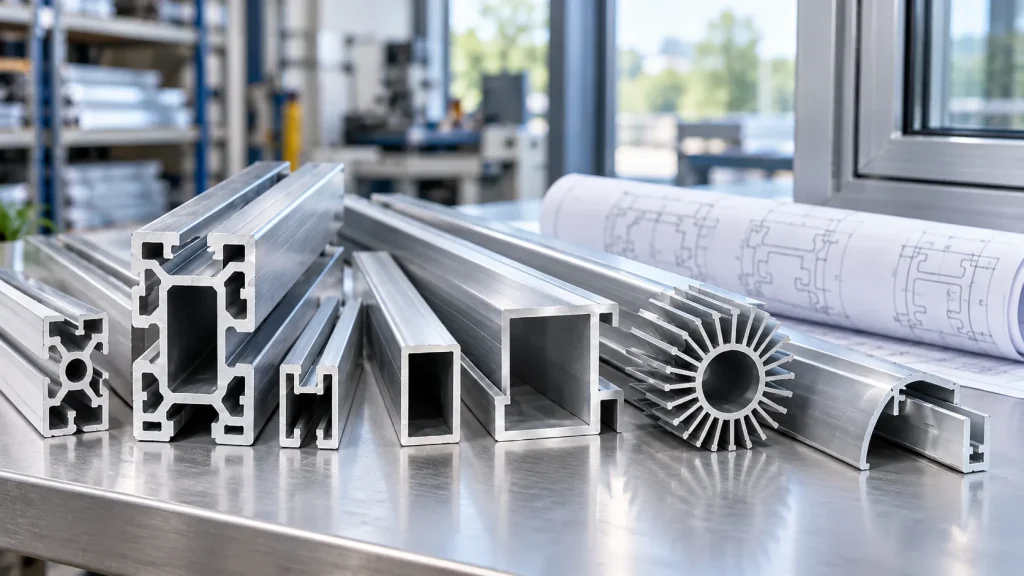
An aluminum profile is an aluminum or aluminum-alloy product with a defined cross-sectional shape that continues along its length. In construction and industrial supply, the term commonly refers to an…
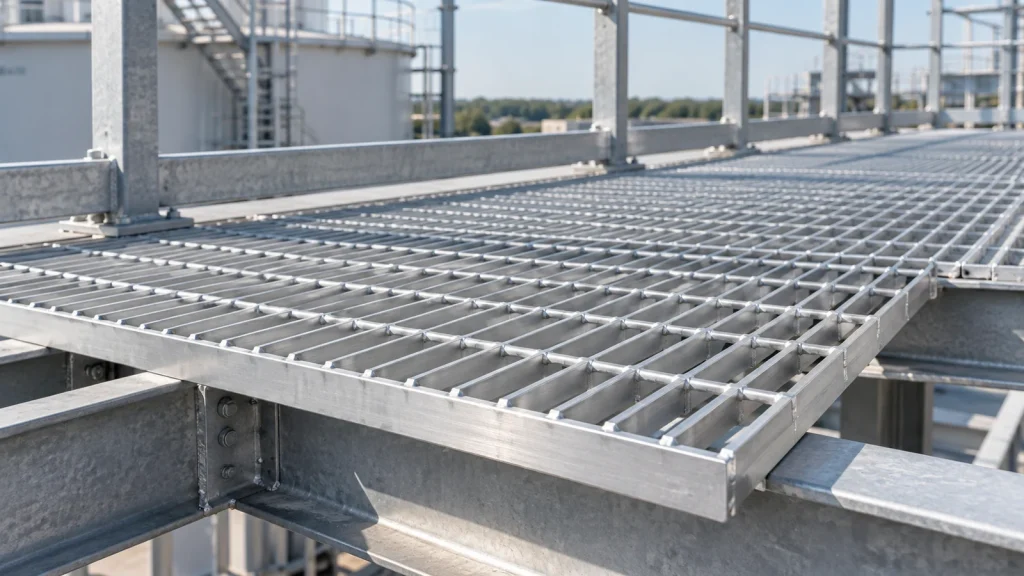
An aluminum bar grating load table is useful only when its product configuration, span, loading pattern and design assumptions match the panel being considered. Check the required load and the corresp…

Perforated aluminum sheet can provide a ventilation path, but open-area percentage is not an airflow or pressure-drop rating. Begin with the hole pattern, calculate the openings available after solid …

When sourcing from an aluminum coil manufacturer in China, B2B buyers need more than a product name or a basic quotation request. A reliable procurement specification should connect the aluminum coil …

When buyers search for a reflective aluminum sheet manufacturer, the key challenge is usually not finding a supplier website. The more important question is whether the supplier can provide a product …

3003 alloy aluminum coil is an Al-Mn, non-heat-treatable material used where formability and corrosion resistance matter. But a B2B buyer cannot build a reliable quotation around the words “3003…
Yes, if the flange covers both panel edges and the stem fits the gap. Check whether the panels need room to move; a tight-fitting profile can bind as the assembly expands or shifts.
No. T-slot fasteners need a compatible internal slot, not just a T-shaped outside profile. If you plan to use sliding nuts or brackets, specify the fastener system and ask for a matching cross-section.
Do not treat trim as a structural rail based on its shape. A mounting application needs a profile and attachment method selected for the load and support arrangement; a heavier section may also need different clearances.
Bonding can leave the visible face uninterrupted, but its suitability depends on the surfaces, exposure and expected movement. Mechanical fasteners provide a defined attachment point but may require holes and access to the supporting material.
Send dimensions or sketches showing the gap, panel thicknesses, available mounting space and required visible coverage. Include the intended use, finish and approximate quantity, then ask which cross-sections and supply lengths are available.
Share a cross-section drawing or mating-part dimensions, the profile’s intended use, and your required finish so the team can discuss suitable options.