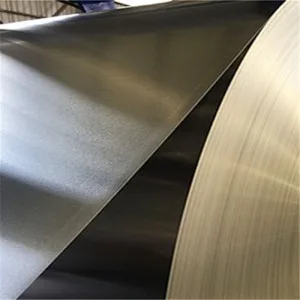
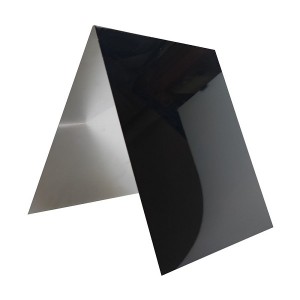
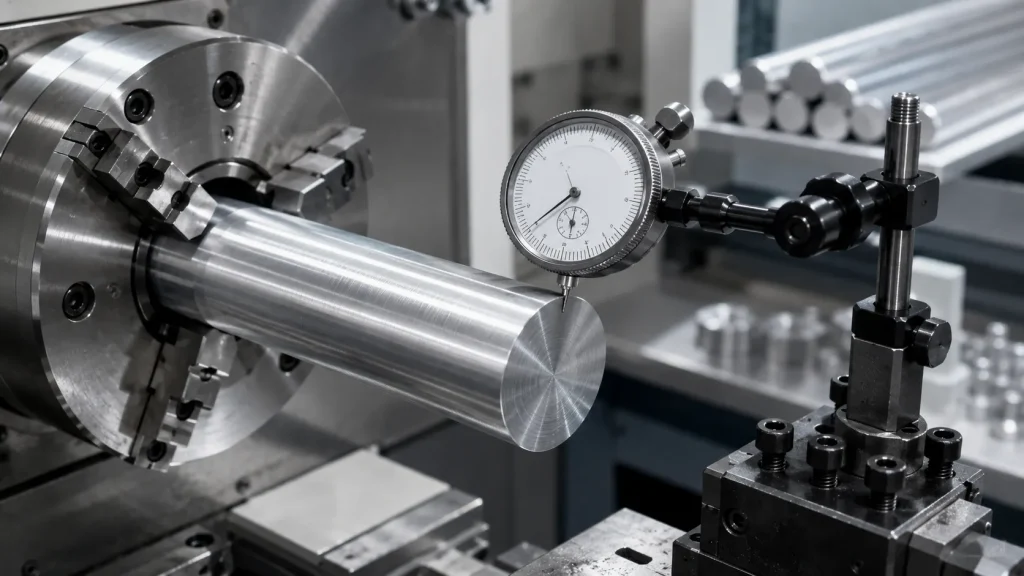
China Aluminum Sheet Metal Bending Manufacturer, Factory & Suppliers should be evaluated by their ability to understand your drawings, application needs, bend dimensions, surface requirements, packing expectations, and export process.
For an import distributor, the best approach is to prepare a structured RFQ with quantities, destination, packaging needs, inspection points, and lead-time questions. This makes supplier replies easier to compare and helps reduce sourcing risk.
Start with the application. Explain where the bent aluminum sheet metal will be used, whether it is for enclosure parts, brackets, panels, covers, frames, or other fabricated components. Include the aluminum grade, thickness, bend angle, radius, hole position, finish, and any drawings or samples available.
Next, review customization planning. Ask whether the supplier can support cutting, bending, punching, surface treatment, labeling, protective film, or project-specific packing. If your customers require stable repeat orders, clarify how drawings, approved samples, and revision control will be managed.
For import distribution, packing and export handling should be checked early. Confirm carton, pallet, crate, edge protection, moisture protection, labeling, and loading requirements. Also ask what information is needed for export documents and whether the supplier can align packing with your warehouse or customer delivery process.
Before confirming a bulk order, compare supplier communication. A useful reply should address specifications, production feasibility, sample timing, lead time, inspection method, and after-sales support. Suppliers that ask detailed follow-up questions may be easier to evaluate than those sending only a general price list.