Boat T Top Aluminum Sheets Selection Guide | SUZHOU TOP METAL MATERIALS CO.,LIMITED

Aluminum Sheets for Boat T-Top Roofs

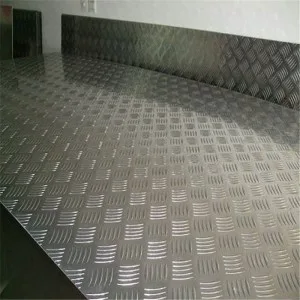
For a boat T-top, aluminum sheet is usually considered for a rigid canopy panel, not the tubular frame that supports it. The main decision is whether the sheet can suit the canopy’s shape and fastening design without adding unnecessary weight above the boat.

Related Products

Match the sheet to the T-top roof design

Sheet selection

Compare aluminum sheets for a T-top by alloy and temper, available dimensions, finish and suitability for the planned bends. The right choice depends on the supported panel design, not just the sheet’s nominal thickness.

Criterion What To Check Why It Matters Buyer Tip
Sheet role on the T-top Confirm whether the sheet is a roof skin, a formed edge panel, or a load-bearing part. A roof skin and a structural part need different strength and forming properties. Ask which parts of the drawing carry loads and which attach to the frame.
Alloy and temper Compare the proposed alloy and temper against the marine exposure and required bends. Corrosion resistance and bendability vary; a stiffer temper may crack at a tight bend. Send the bend locations and ask which alloy and temper suit them.
Thickness and support spacing Review sheet thickness alongside the frame layout, unsupported spans and planned roof equipment. Thickness alone does not determine whether a panel will flex or vibrate in use. Share the support layout and identify any lights or accessories mounted through the sheet.
Finish and fastening Specify the exposed finish and identify where fasteners contact the aluminum. Saltwater, abrasion and contact with dissimilar metals can affect appearance and service life. Ask what finish options are available and plan isolation at dissimilar-metal connections.
Blank size and forming allowance Verify usable sheet dimensions, grain direction if appearance matters, and allowance for folds and trimming. A nominal sheet size may not yield the finished roof panel after fabrication. Send a flat pattern or finished drawing and ask whether the required blank can be supplied.

Choose for forming, support and marine exposure

A formed or curved roof panel calls for different material choices than a flat panel. Alloy and temper affect how readily the sheet bends, while thickness and the support beneath it affect how the finished roof behaves. Do not select sheet thickness alone as a measure of strength: the frame layout, attachment points and expected wind loads also matter.

Start with the roof design. A solid aluminum top provides a different surface for mounting accessories than a fabric cover, but it also adds weight and wind load. Have the T-top designer confirm that the frame and mounts suit the proposed panel.

Choose alloy, temper and thickness together. Marine-exposed applications need attention to corrosion resistance, while panels that require forming need a temper compatible with the bend. A harder sheet may be less forgiving during fabrication; a thinner sheet may need more support.

Check the finish against the intended appearance and fabrication sequence. If the panel will be painted or coated, discuss edge preparation, holes and cut surfaces as well as the broad faces. Where aluminum meets dissimilar fasteners or fittings, plan appropriate isolation rather than relying on the sheet finish alone.

Before ordering, compare the required blank size with the cutting plan and confirm which holes, bends and edge details the fabricator will make. Send SUZHOU TOP METAL MATERIALS CO.,LIMITED a drawing or dimensions and ask which sheet alloy, temper, thickness, size and finish options it can supply for that design.

Criteria Importance Description Example Options
Formability Critical for a curved or folded roof. Alloy and temper affect how readily a sheet takes the specified shape without damage. A curved roof blank calls for a forming review; a flat panel may not.
Panel weight and support Important for the roof and the frame beneath it. Thickness affects weight, but panel behavior also depends on span, supports and attachment layout. A broad unsupported area may call for a different design than a panel supported at closer intervals.
Exposure and finish Important for appearance and durability in marine use. Consider the intended finish alongside cut edges, holes and contact with dissimilar fittings. A panel intended for coating needs its fabrication sequence agreed before finishing.
Blank size and fabrication scope Important before placing an order. The available sheet must accommodate the roof shape and cutting plan; clarify who makes bends, holes and edge details. A supplied rectangular blank and a formed, drilled panel are different purchasing requirements.

Product Selection

Related Options

For a curved hardtop, formability may be the first material question; for a broad, flatter canopy, panel support and weight may drive the choice. Match the sheet to the roof drawing and have the complete T-top structure assessed for its intended use.

Blog Articles / Reviews

6061 0 Aluminum Sheet: What Should Buyers Verify?

6061 0 Aluminum Sheet: What Should Buyers Verify?

A request for 6061 0 aluminum sheet is a temper-specific purchasing question, not simply a request for generic 6061 sheet. That distinction matters when a buyer compares supplier quotations. TOP METAL…

What Is an Aluminum Profile?

What Is an Aluminum Profile?

An aluminum profile is an aluminum or aluminum-alloy product with a defined cross-sectional shape that continues along its length. In construction and industrial supply, the term commonly refers to an…

Frequently Asked Questions

Can aluminum sheet replace the tubing in a boat T-top?

No. The sheet may serve as a roof panel, while the frame and its mounts carry and transfer the loads. Have the T-top designer assess the complete assembly rather than treating a thicker panel as a substitute for support.

Is a solid aluminum roof a better choice than a fabric cover?

A solid panel can provide a rigid surface for a planned accessory layout, but it adds weight and presents a solid surface to the wind. Fabric may suit a design where a lighter cover is the priority. Compare both options against the existing frame and intended use.

What matters most if the roof has a pronounced curve?

The required bend radius and forming method should guide the choice of alloy and temper. Give the fabricator a drawing before settling on a harder temper or a thickness that may be difficult to form.

Does a marine-suitable alloy eliminate corrosion concerns?

No. Exposure at cut edges, trapped moisture and contact with dissimilar fittings still need attention. Discuss the finish and fitting details with the fabricator, especially where holes and fasteners penetrate the panel.

What should I confirm before ordering sheets for several identical roofs?

Confirm the required blank dimensions, quantity and acceptable dimensional and surface condition with the fabricator. Ask which alloy, temper, sheet sizes and finish options are available, and agree on who will cut, form and drill each panel.

Leave Your Message

Share the roof drawing or blank dimensions, the planned bends, and your preferred thickness or finish so we can discuss suitable sheet options.