China 5083 Aluminum Coil: Manufacturer Checks | SUZHOU TOP METAL MATERIALS CO.,LIMITED

China 5083 Aluminum Coil: Manufacturer Checks

For 5083 aluminum coils, the first decision is how the material will be formed and where it will be used. This alloy is often considered for marine and other corrosion-exposed parts, but the temper, thickness and surface condition must suit the finished component—not just the alloy number.

If you are buying from a supplier in China, specify the coil you need and the checks that matter to your application before comparing offers.

Related Products

Match 5083 coil to the part

Coil selection

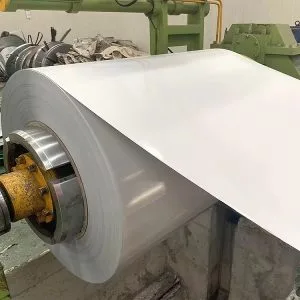
Choose a 5083 coil by matching temper, dimensions, tolerances and surface condition to the part and processing line. For corrosion-exposed work, include the applicable material standard and documentation requirements.

Criterion What To Check Why It Matters Buyer Tip
5083 temper for the application State the required temper and ask the supplier to confirm it on the coil documentation. Temper affects forming behavior and the suitability of the coil for its intended use. If the coil is for a marine application, ask whether the specified temper, such as H116, is available.
Thickness, width and tolerances Compare the quoted dimensions and tolerances with your cutting or forming requirements. A coil can be the right alloy but still cause excess scrap or processing problems if its dimensions do not fit the equipment. Send the required thickness, usable width and tolerance limits with the inquiry.
Surface condition and edge finish Specify the acceptable surface condition and whether slit or mill edges are needed. Visible surfaces and downstream processing can call for different handling and edge conditions. Tell the supplier if the finished part will have an exposed surface.
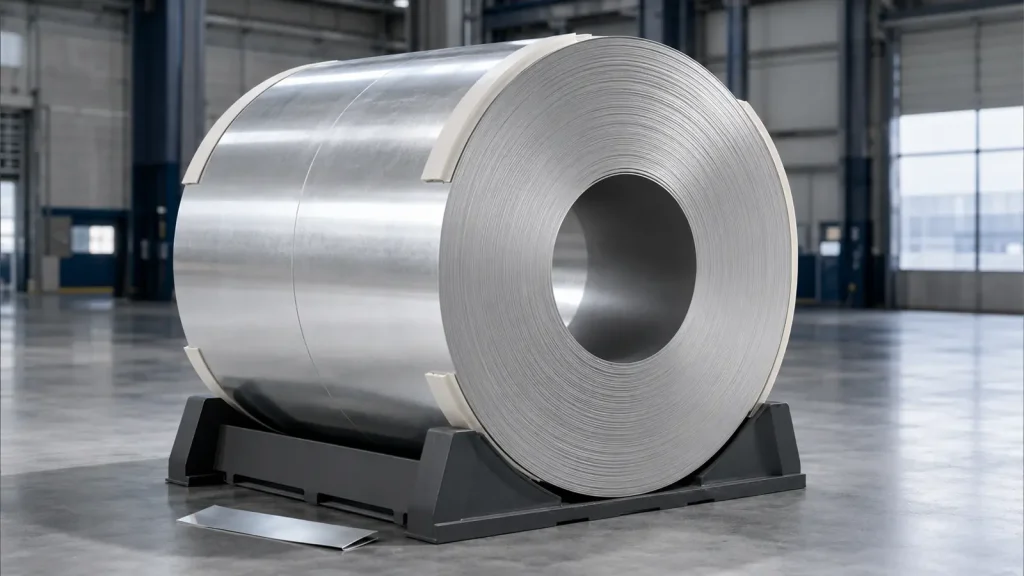
Coil size and packing Confirm coil weight limits, inner diameter and the proposed packing method. These details determine whether the coil can be handled and fed into your equipment without repacking or rewinding. Share your uncoiler limits before accepting a quote.
Production route and documentation Ask a China supplier whether it is the manufacturer, works through a factory, or sources the coil elsewhere, and what documentation accompanies each coil. The answer clarifies who controls the specification and how the delivered material can be traced. Request a sample of the proposed coil identification and material certificate format.

Check the specification before comparing offers

A 5083 coil is not interchangeable with 5083 plate simply because the alloy matches. Coil suits continuous processing and parts cut from a roll; plate may be the better starting form for large, flat components. Confirm that the required width, flatness and handling method suit your production line.

Temper also changes the decision. A temper selected for strength may not form like one selected for more demanding bends. For a marine application, state the required temper and applicable material standard rather than assuming that every 5083 coil meets the same service requirements.

Start with the part drawing or processing route. Give the required thickness and width, intended cutting or forming method, and any bend or flatness requirements. An alloy-only inquiry leaves too much room for a coil that is difficult to process.

Match the surface requirements to the part. A visible panel may need different handling from a component that will be covered or further finished. Ask how surface condition, edge quality and protective packaging will be described in the offer.

When comparing suppliers, distinguish a manufacturer’s production offer from stock supplied through an intermediary. Ask which factory will produce or supply the coil, what material documentation can accompany it, and whether the quoted specification matches your requested temper and standard.

Compare quotations on the same basis: coil dimensions, tolerances, documentation, packaging and delivery terms. Send SUZHOU TOP METAL MATERIALS CO.,LIMITED your application and specification to confirm whether it can supply the required coil before treating a price as comparable.

Criteria Importance Description Example Options
5083 versus 5052 Matters when balancing strength requirements against forming needs. Both are aluminum-magnesium alloys, but the better choice depends on the finished part’s mechanical and fabrication requirements. A formed cover and a structural marine component may call for different alloy choices.
Temper and forming route Critical when bends or other forming steps are planned. Check the specified temper against the part design and processing method; matching the alloy number is not enough. A part with tight bends needs its forming requirements checked before a temper is accepted.
Coil handling compatibility Important for avoiding problems when feeding the material into production. Confirm coil inside diameter, outside diameter, weight and winding direction against the receiving equipment. A coil can meet the required width yet be unsuitable for a line’s uncoiler.
Standard and material documentation Essential when the project requires evidence of material conformity. State the applicable standard and ask what documents will identify the supplied alloy, temper and order. A marine project may require documents tied to the delivered coils rather than a general alloy description.

Blog Articles / Reviews

Frequently Asked Questions

Is 5083 coil suitable for a welded marine component?

5083 is commonly considered for welded, corrosion-exposed structures, but the alloy name alone does not establish suitability for a particular part. Check the required temper, applicable material standard and fabrication requirements against the component design.

When might 5052 be a better choice?

Consider 5052 when the part needs corrosion resistance and forming is a greater priority than the strength sought from 5083. Compare the finished part’s requirements, not just the prices of the two alloys.

Does a coil described as marine grade automatically meet a marine project’s requirements?

No. “Marine grade” does not replace a stated temper, material standard or required documentation. Give the supplier the project specification and ask them to identify exactly what the offered coil meets.

What coil-handling details should go into an inquiry?

Alongside thickness and width, provide any limits your equipment has for coil inside diameter, outside diameter, weight and winding direction. Ask the supplier to confirm those details and the packaging method before you order.

How can buyers compare a factory offer with one from other suppliers?

Ask each seller to identify the producing factory and state what documentation will accompany the material. Then compare offers against the same specification and delivery terms; the seller’s role alone does not tell you whether the coil fits your order.

Leave Your Message

Share your application, required temper and coil dimensions so the team can confirm whether it can meet your specification.