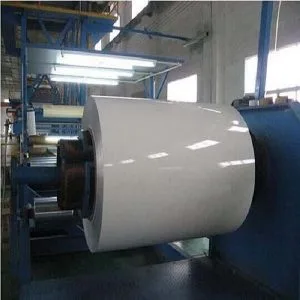
A prepainted coil is not interchangeable with a coil painted after fabrication. Prepainted material arrives with a finished surface, which can simplify production, but tight bends or abrasive handling may damage the coating. The alloy, temper and coating need to be assessed together against the part design.
Also clarify what the seller will supply. A manufacturer may control coating production, while other suppliers may source or slit finished coil. Ask who makes the coated coil and who is responsible for confirming its specification; a factory visit or photograph alone does not answer those questions.
Match the coating system to the service conditions. An exterior panel exposed to sun and weather raises different questions from an indoor decorative part. State the application and ask which finish options are suitable, including how color and gloss will be agreed before production.
Specify the substrate and the forming operation together. Alloy and temper affect how the coil bends; coating flexibility also matters at folds and roll-formed edges. A common mistake is approving a color sample without checking whether the finished material can be formed into the intended profile.
Define the coil in terms your equipment can use: required thickness and width, acceptable tolerances, coil handling needs, and which side requires the visible finish. Confirm any backing-coat requirement rather than assuming both faces have the same appearance.
When comparing offers from suppliers in China, check that each quotation covers the same substrate, coating, dimensions and packaging. Ask whether the factory can provide a sample or agreed finish reference for approval, then send a drawing or forming description with your inquiry.