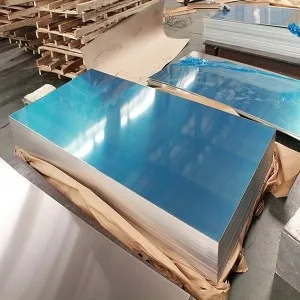
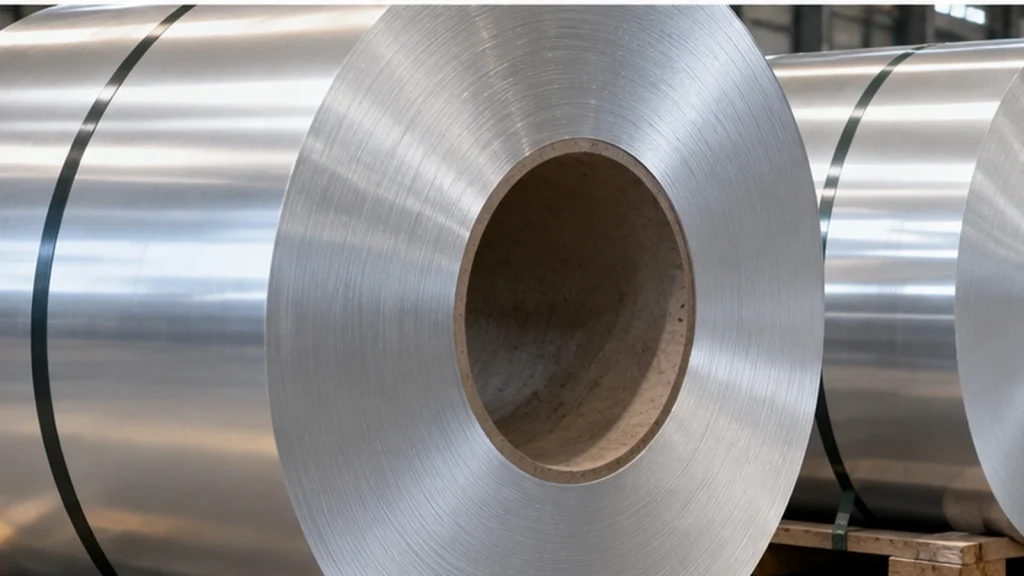
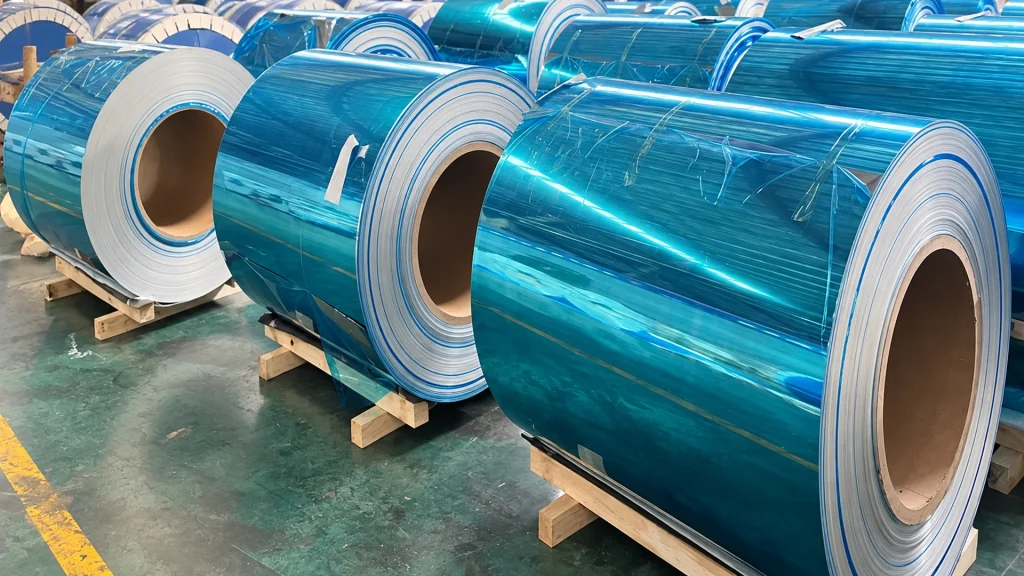
Mirror-like and diffuse finishes are not interchangeable. A mirror-like finish produces a sharper reflection but makes scratches and handling marks more noticeable; a diffuse finish spreads reflected light and may suit applications where glare or visible marks are a concern. Ask a manufacturer how it describes the finish and how that finish will be checked, rather than relying on the word “reflective” alone.
Start with the finished part. Tell the supplier where the reflective face will be visible, whether the coil will be cut or formed, and whether it will be used indoors or exposed to weather. These details affect the choice of surface treatment and the questions to ask about durability.
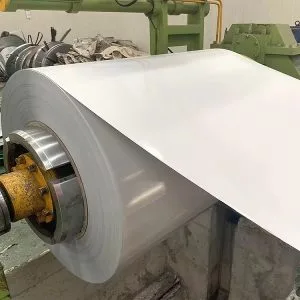
Specify the base material and coil format separately from the finish. Alloy, temper, thickness, width and winding requirements affect fabrication; a surface that looks right on a flat sample may not remain acceptable after forming. If appearance matters, agree on an approved sample and which side of the coil must match it.
Ask how the reflective face will be protected during handling and transport. Protective film can reduce marking, but its suitability depends on the surface and downstream process. Check film removal expectations, packaging and edge condition before treating quotations from different suppliers as equivalent.
When comparing a China-based manufacturer with other suppliers, request quotations against the same material, finish and inspection expectations. Confirm whether the quoted item is reflective coil in the required format, rather than sheet or standard bright-finish coil. Send a drawing or application description if appearance or forming is difficult to describe in words.