
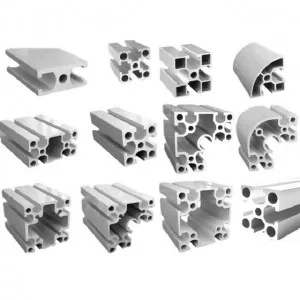
Extrusion alumium profiles
Aluminum profiles are products born from aluminum alloys bar that are transformed into shaped objects through the extrusion process. Extrusion alumium profiles are used in…
Read MoreCIEZN Structural Aluminum Profiles: China Manufacturer Enquiries | SUZHOU TOP METAL MATERIALS CO.,LIMITED
For a machine frame or equipment support, the right structural aluminum extrusion profile depends on more than its outside dimensions. The slot layout must accept your fasteners, and the section must suit the loads and spans in the assembly.
If “CIEZN” identifies a profile series in your drawing or parts list, share the drawing or part reference when asking a manufacturer in China about availability. The name alone may not establish the slot geometry or connection details.
Aluminum profiles are products born from aluminum alloys bar that are transformed into shaped objects through the extrusion process. Extrusion alumium profiles are used in…
Read More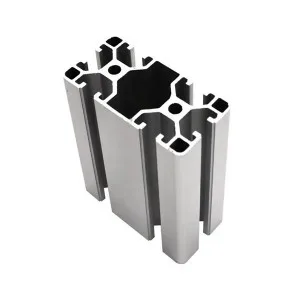
Industrial aluminium extrusion profiles are widely used and highly versatile. It is famous for its environmental protection, convenient assembly and disassembly, time saving…
Read More
Quality 1050 3003 5083 6061 7075 deep-drawing stamped Aluminium alloy Plate China Aluminum Flat mould Sheet manufacturer Product:Aluminum Sheet and Plate (CC) Alloy/Temper:1***/3***/8***(1100 / 1050 /…
Read More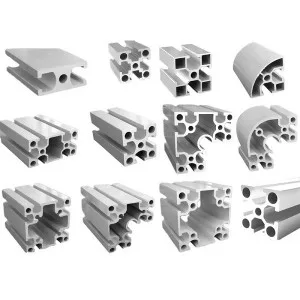
Custom Aluminium profile is widely used in construction, machinery, industry, etc. Aluminium profiles are a great way to add both style and function to your home.
Read More
Polished Mill Finish Aluminum Round Plate 3003 5052 Round Aluminum Discs Polished / Mill Finish Aluminum Round Plate , 3003 5052 Round Aluminum Discs 1050 1060 aluminium discs circle manufacturer 3003…
Read More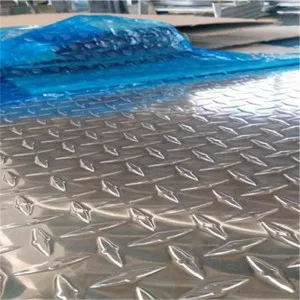
Commercial Grade Aluminum Plate offered in a Variety of Sizes,Variety of Applications. Great for Home or Office,and construction,fabricated manufacturers,Variety alloy grade available
Read MoreProfile selection
Compare structural profiles by section geometry, slot compatibility, alloy and temper requirements, tolerances and the work needed after extrusion. The right combination depends on how the profile carries load and joins to the rest of the assembly.
| Criterion | What To Check | Why It Matters | Buyer Tip |
|---|---|---|---|
| Profile geometry and load path | Compare the cross-section drawing, wall transitions, slots and attachment points with the loads in your assembly. | Similar-looking extrusions can differ in stiffness and how securely they accept fasteners. | What loads must the profile carry, and does “ciezn” identify a specific drawing or profile code? |
| Alloy and temper | Specify the required alloy and temper on the drawing, then ask how they will be confirmed for the supplied batch. | Material choice affects strength, machinability and suitability for the intended finish. | Can the manufacturer provide material documentation for the proposed alloy and temper? |
| Fit at mating features | Identify the dimensions that control joints, fasteners and sliding parts; agree on tolerances and an inspection method. | A profile may meet its overall dimensions yet still fail to fit the assembly. | Which dimensions are critical to fit, and how will the factory check them? |
| Length, straightness and finishing | State cut lengths, straightness needs, exposed surfaces and any finishing required after machining. | Long members and visible faces can expose handling marks, distortion or finish differences. | Can suppliers in China confirm the cut, finish and packing approach against your drawings? |
A modular slotted profile and a custom extrusion solve different problems. A modular profile can simplify assembly and later changes if compatible brackets and fasteners are available. A custom section can put material and features where the design needs them, but it may require a dedicated die and closer review of minimum order quantities.
For a structural frame, compare profiles as assembled systems rather than isolated lengths. Joint design, mounting points and unsupported spans can change how the finished frame behaves.
Start with the assembly drawing. Mark the supported loads, span lengths, attachment points and any limits on frame movement. Avoid choosing a profile by outside size alone; two similar-looking sections may have different wall layouts and stiffness.
Check the interface before comparing suppliers. Specify the slot shape, fasteners, brackets and mating components you intend to use, or provide a sample connection detail. A profile that cannot accept the planned hardware can force changes across the frame.
Separate the extrusion from the finished part. Cut lengths, hole locations, machining and surface finish affect assembly and should appear on the drawing where needed. Ask how those requirements will be checked, especially if parts from different batches must fit together.
If you need repeat supply, ask whether the factory would extrude the section and perform any finishing or machining itself, or coordinate those steps elsewhere. Send SUZHOU TOP METAL MATERIALS CO.,LIMITED the profile drawing, expected quantity and required finishing operations to discuss what it can supply.
| Criteria | Importance | Description | Example Options |
|---|---|---|---|
| Alloy and temper | Affects the properties available for the structural design. | State the required alloy and temper on the drawing, or ask which options can meet the design requirements. Do not treat profiles with the same outer shape as interchangeable. | Two sections may look alike but be supplied in different alloy and temper combinations. |
| Section geometry | Matters when span and allowable movement govern the frame design. | Compare wall placement and section shape against the direction of loading, not just the overall width. | A cross member carrying a load across a long span may need a different section from a short enclosure upright. |
| Connection system | Critical when the profile must fit existing brackets, fasteners or mating parts. | Check slot geometry and connection details before accepting an alternative profile. | A similar-looking slot may not accept the bracket specified on the assembly drawing. |
| Scope of supply | Changes what must be inspected and assembled after delivery. | Distinguish plain extruded lengths from parts supplied cut, machined or finished, and identify who checks the completed dimensions. | A frame kit with specified hole locations requires a different quotation scope from uncut lengths. |
Related Options
For an adjustable machine enclosure, compatible slots and connection hardware may matter more than a custom outer shape. For a fixed equipment support, the section’s behavior under the specified load and span may be the first question to resolve.

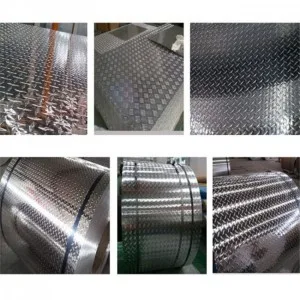
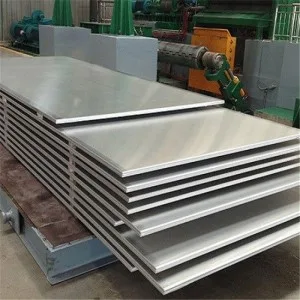




When sourcing from an aluminum coil manufacturer in China, B2B buyers need more than a product name or a basic quotation request. A reliable procurement specification should connect the aluminum coil …

When buyers search for a reflective aluminum sheet manufacturer, the key challenge is usually not finding a supplier website. The more important question is whether the supplier can provide a product …
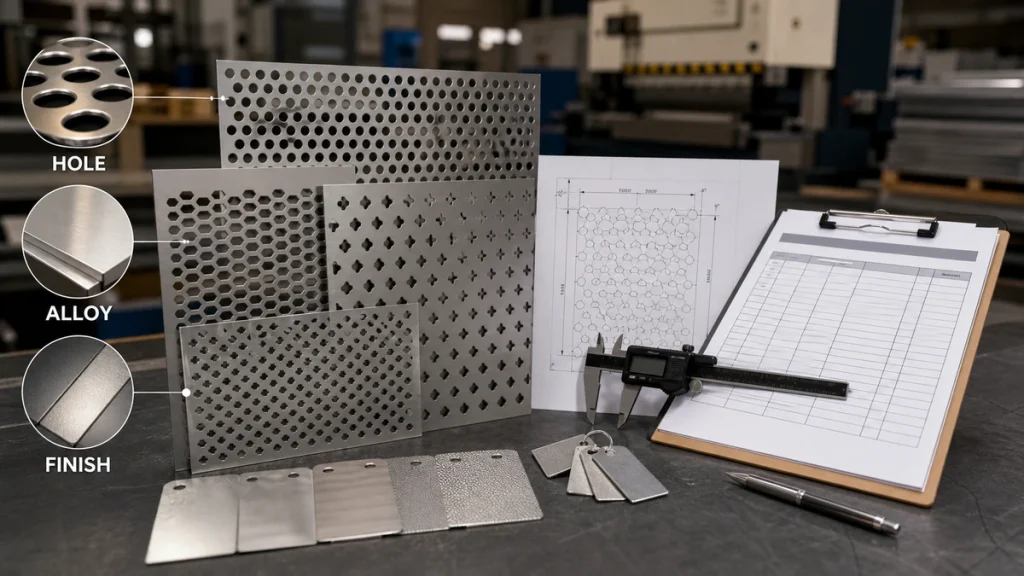
Buyers should send the required alloy, temper, thickness, sheet size, hole shape, hole size, pitch, pattern orientation, open area, blank margins, tolerances, finish, flatness, burr direction, drawing…
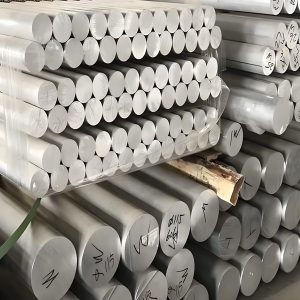
6061-T6 aluminum bar for CNC and structural parts

Aluminum sheet gauge numbers describe nominal thickness only when the gauge system and metal are identified. On a commonly used Brown & Sharpe (B&S) nonferrous gauge chart, 16-gauge aluminum i…
Yes, 1/8-inch (0.125-inch, 3.175-mm) aluminum sheet can be bent without cracking, but thickness alone cannot determine a safe bend radius. The alloy, temper, formed inside radius, bend-line orientatio…
That depends on the section, unsupported span, joint design and acceptable movement under load. Have the frame design checked against the actual operating loads rather than assuming a profile is suitable because it is described as structural.
Not necessarily. Treat it as a reference to verify against a drawing or sample, including the slot and connection details, before ordering a substitute.
Steel may suit a fixed frame where stiffness, concentrated loads or welded joints take priority over low weight and easy reconfiguration. Compare the complete frame designs, including joints and finishing, rather than comparing materials alone.
Base the choice on the service environment, appearance requirements and any surfaces that must mate closely with other parts. Specify which faces need a finish and confirm how the finished dimensions will be checked.
Ask whether the quotation covers extrusion only or also cutting, machining and finishing, and who is responsible for checking the completed parts. If factory production is important to your purchasing process, confirm which steps the manufacturer performs and which it coordinates.
Send your profile drawing or CIEZN part reference, the intended load and span, and any cutting or machining requirements.