

5052 3003 PE PVDF Color Coated Aluminum Coil
Color coated aluminum coils are light in weight but high in strength and have good wind pressure resistance, making them suitable for use as building materials.
Read MoreColor Coated Aluminum Coil Selection Guide | SUZHOU TOP METAL MATERIALS CO.,LIMITED
Color coated aluminum coil gives formed panels, trim and cladding a finished surface before fabrication. The main decision is not just the color: the coating must suit the exposure, and the aluminum beneath it must suit the bends and shapes the part requires.
Color coated aluminum coils are light in weight but high in strength and have good wind pressure resistance, making them suitable for use as building materials.
Read More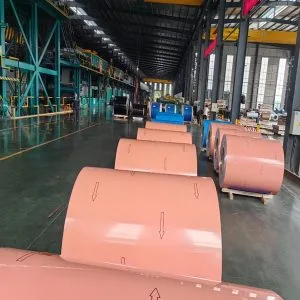
Color Coated Aluminum Coils and Sheets come in a wide range of colors, textures, and finishes, which can be applied in many fields. It is lightweight, attractive, and good at conducting heat. Color Co…
Read More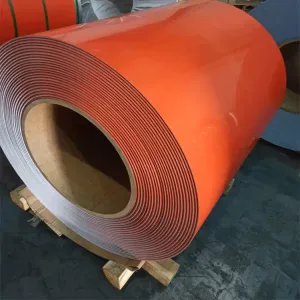
5052H32 color coated aluminum coil is an aluminum alloy plate with medium strength, good corrosion resistance, weldability and easy processing and forming.
Read More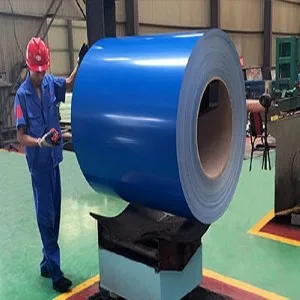
Color coated aluminum coil is a salt with an excellent acid-resistant material. Coating to maintain a long light. It is an environmentally friendly, fire-resistant properties of the green and beautifu…
Read More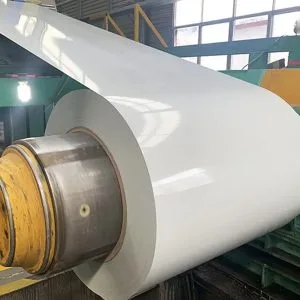
Complete guide to 3003 color coated aluminum coil: chemical composition, dimensions, PE/PVDF coating specs, mechanical properties, performance standards, advantages, and…
Read More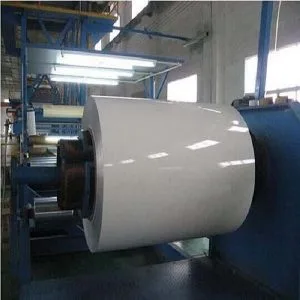
Color-coated aluminum (color-coated aluminum coil), common polyester color-coated aluminum (color-coated aluminum coil), is widely used in aluminum honeycomb panels, aluminum…
Read MoreSelection criteria
Compare options by coating system, aluminum alloy and temper, thickness, width, color reference and forming requirements. The right combination depends on the finished part, not the paint color in isolation.
| Criterion | What To Check | Why It Matters | Buyer Tip |
|---|---|---|---|
| Base metal and thickness | Confirm the alloy, temper, metal thickness and permitted tolerances on the specification. | These affect stiffness, forming behavior and fit in the finished part. | What alloy and temper suit the bends and panel dimensions in your design? |
| Coating for the exposure | Ask for the coating system and its stated suitability for the intended indoor or outdoor conditions. | A finish chosen for indoor trim may not be appropriate for exposed cladding. | Describe the installation environment and ask which coating system is proposed. |
| Color and surface finish | Agree on a physical color sample, gloss level and acceptable appearance variation before production. | A color name alone may not keep adjacent panels looking consistent. | Will the coils be installed side by side, where shade differences would be visible? |
| Coating performance during forming | Share the planned bend or profiling method and ask how coating adhesion is evaluated after forming. | A coating can look sound on flat coil but crack or lose adhesion at a tight bend. | What is the tightest bend the finished part requires? |
| Coil format and coated sides | Confirm width, inner diameter, coil weight range, edge condition and whether the reverse side needs a specified finish. | These details determine line compatibility, handling and the appearance of exposed edges or backs. | Send your line’s coil limits and identify every surface visible after installation. |
A coil that looks right in a flat sample may behave differently after forming. Coating flexibility matters at tight bends, while alloy and temper affect how the metal itself forms. Ask for both the proposed coating system and substrate specification, then evaluate a sample formed to your intended profile rather than judging the flat finish alone.
Start with the installed environment. Interior trim and exposed exterior cladding place different demands on color retention, corrosion resistance and cleaning. Discuss the expected exposure and the coating system proposed for it; a color name alone does not describe durability.
Match the coil to the fabrication process. Share the tightest bend, forming method and whether the finished face will be on the inside or outside of the bend. Choosing a finish from a flat swatch without checking the formed part can leave visible cracking or an unacceptable appearance at edges.
Specify the substrate and coil format separately from the paint. Alloy, temper, metal thickness, width and required surface finish all affect fit and processing. Also clarify whether thickness means the aluminum alone or includes the coating, so quotations describe the same material.
Before approving a production finish, agree on a physical color reference, acceptable appearance under the viewing conditions that matter to you, and any coating or forming checks needed for the application. Send SUZHOU TOP METAL MATERIALS CO.,LIMITED the part drawing or profile and ask which substrate and coating options it can offer for that use.
| Criteria | Importance | Description | Example Options |
|---|---|---|---|
| Precoated coil versus painting after fabrication | Changes the finishing sequence and treatment of cut or joined areas. | Precoated material arrives with a finished face; painting later can cover an assembled shape but adds a finishing operation. | A repeated flat panel may suit precoated coil, while a complex assembly may call for finishing after fabrication. |
| Coating system and exposure | Central to the expected appearance and service conditions. | Compare proposed finishes against the installed environment, cleaning method and appearance requirements rather than color alone. | An indoor display and an exposed exterior panel may need different finish choices. |
| Reverse-side finish | Matters when both faces are visible or the back is exposed. | Clarify whether the reverse side needs a particular coating or appearance; do not assume it matches the front. | A suspended panel visible from both sides needs a different appearance brief from a panel mounted against a wall. |
| Coil format and surface protection | Affects handling, processing fit and the condition of the painted face. | Check coil dimensions and handling limits against the processing equipment, and discuss suitable protection during transport and fabrication. | A slitting line may require a particular coil inside diameter, while a visible panel may need extra care to avoid surface marks. |
Related Options
For exterior panels with visible bends, prioritize a finish that meets the appearance requirement after forming and is appropriate for the installed exposure. A flat color match is only one part of that decision.

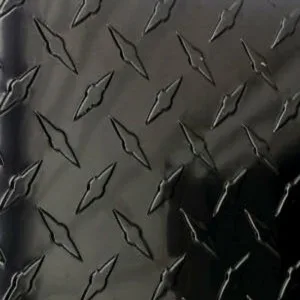





When sourcing from an aluminum coil manufacturer in China, B2B buyers need more than a product name or a basic quotation request. A reliable procurement specification should connect the aluminum coil …

3003 alloy aluminum coil is an Al-Mn, non-heat-treatable material used where formability and corrosion resistance matter. But a B2B buyer cannot build a reliable quotation around the words “3003…
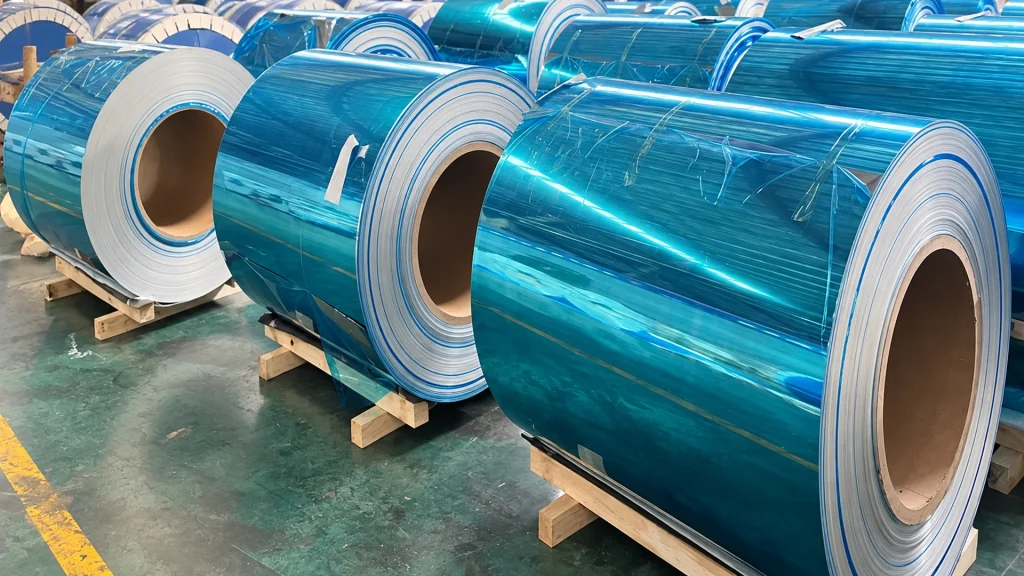
A bend-test result for prepainted aluminum coil is useful when the tested material, method and acceptance conditions are identified together. A rating such as 0T or 2T describes performance under a sp…

Before production, buyers should freeze the 5083 aluminum coil’s governing material standard, temper, thickness and tolerance, width and edge condition, coil inside diameter, maximum outside dia…
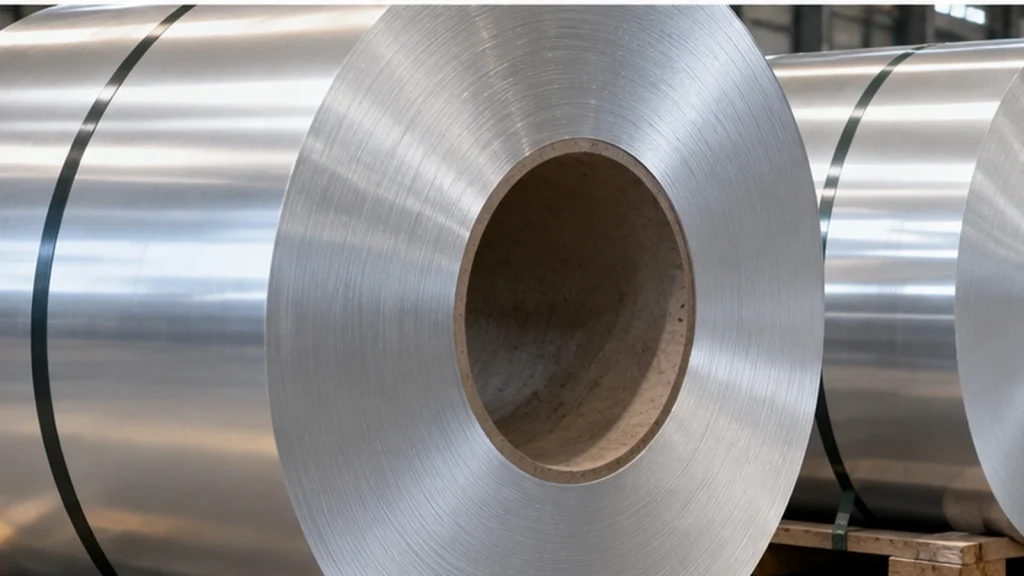
When evaluating an aluminum coil prices supplier in China, buyers should verify supplier evidence and product fit before comparing the headline price. For a 5052 aluminum requirement, the RFQ should d…

When buyers search for a reflective aluminum sheet manufacturer, the key challenge is usually not finding a supplier website. The more important question is whether the supplier can provide a product …
It can be, but the finish should match where the sign will be installed and how it will be cleaned. For printed or laminated signs, also confirm that the surface is compatible with the intended ink or adhesive.
Post-fabrication painting may be preferable for parts with complex shapes or joints that need a continuous finish after assembly. Precoated coil can reduce finishing steps for repeatable parts, but cutting and forming leave edges that may need separate consideration.
No. Slitting, punching and cutting expose aluminum at the edges. Assess those edges separately if the part will face moisture, aggressive cleaning or other demanding conditions.
That depends on whether it remains visible or exposed in the finished assembly. State any appearance or coating requirement for the reverse side rather than assuming it will match the painted face.
Alongside the material specification, provide the width, intended processing equipment and any limits on coil inside diameter or coil weight. Ask what protection and packaging options are available if the painted face must remain unmarked through transport and fabrication.
Tell us the intended application and exposure, the coil dimensions and alloy or temper if specified, and the color reference or forming profile. We can then discuss which options are available for your inquiry.