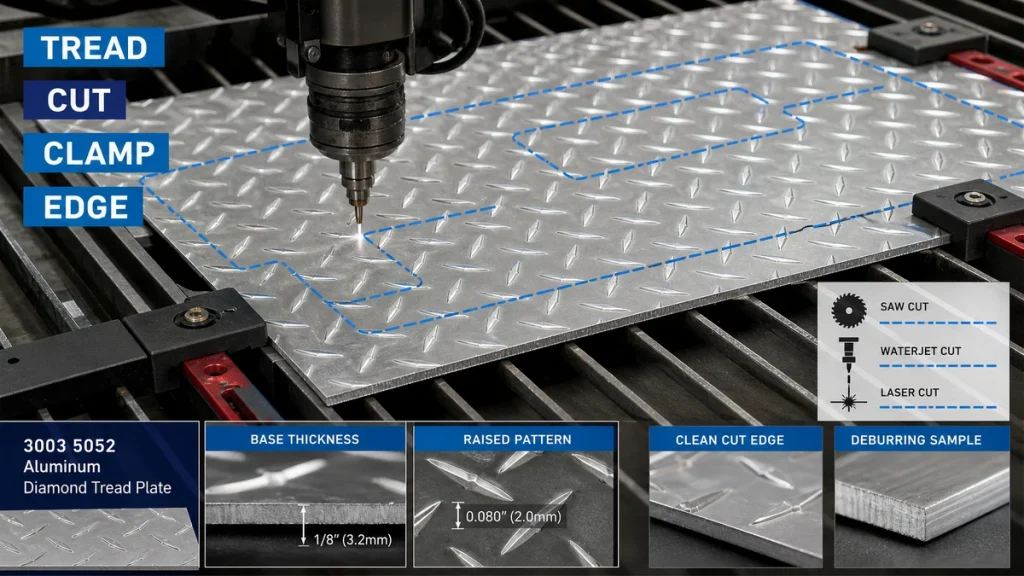
Check how thickness is stated before comparing offers. Base-metal thickness excludes the raised diamonds; overall thickness includes them. Two sheets described with the same thickness may therefore contain different amounts of metal and behave differently over a span. Ask which measurement a quoted thickness represents, especially for a floor panel or a part that must fit a fixed clearance.
Start with the installation. A sheet fastened over continuous backing has different demands from one bridging supports. Provide the unsupported span, expected foot or equipment traffic, and fixing arrangement so the base thickness can be assessed for the actual application.
Choose alloy and temper with fabrication in mind. A panel that needs tight bends may call for a different temper than a flat cover. If the sheet will face moisture, cleaning chemicals or outdoor exposure, describe those conditions rather than selecting by pattern alone.
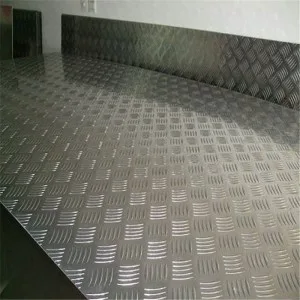
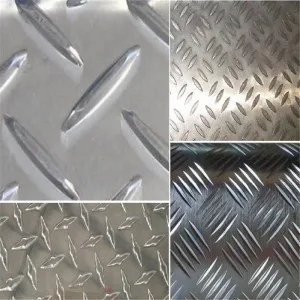
Check the tread layout against the finished part. Diamond size and orientation affect appearance, where cut edges fall, and how pieces align side by side. A raised pattern can improve footing, but it does not make a surface slip-proof when oil, water or debris is present.
For cut panels, send a drawing with finished dimensions, bend locations, visible faces and edge requirements. Confirm tolerances and how the pattern will be oriented before ordering; assuming the dimensions refer to the uncut sheet is an avoidable source of rework.