

Marine Grade aluminum Plate sheet Coil
Marine Grade aluminum plate sheet coil has excellent resistance against seawater and industrial chemicals, It is applicable for the manufacturing of different kinds of ships…
Read MoreDifference Betweem Marine Aluminum Sheet And Regular Aluminum Sheet Sourcing in China: Manufacturer, suppliers and factory | SUZHOU TOP METAL MATERIALS CO.,LIMITED
For replacement sourcing, the difference betweem marine aluminum sheet and regular aluminum sheet is not only a material question. It affects how you build a shortlist, compare quotations, and confirm whether a supplier understands your end-use needs.
This page is written for private-label brand owners who need faster supplier communication and clearer quotation details from China Difference Betweem Marine Aluminum Sheet And Regular Aluminum Sheet Manufacturer, Factory & Suppliers.
Marine Grade aluminum plate sheet coil has excellent resistance against seawater and industrial chemicals, It is applicable for the manufacturing of different kinds of ships…
Read More
5052 is an aluminium alloy, primarily alloyed with magnesium and chromium 5052 aluminum is the highest strength alloy of the more non-heat-treatable grades. Its resistance to fatigue is better than mo…
Read More
A Pad Printing aluminum sheet or aluminum cliches is a plate or pad that is made from aluminum and has the desired image or design etched or engraved onto its surface. The…
Read More
5083 aluminium alloy is an aluminium alloy with magnesium and traces of manganese and chromium. It is highly resistant to attack by seawater and industrial chemicals. Alloy 5083 retains exceptional st…
Read More
China brushed anodized aluminum sheet copper color anodising black aluminium plate Anodized aluminum sheet is a sheet metal product consisting of aluminum sheeting exposed to an electrolytic passivati…
Read More
The qualicoated aluminum perforated sheet is from a certified powder coating applied to the aluminum surface, meeting strict international standards, and it provides…
Read MoreRelated Aluminum Sheet Product Guide
The related product list helps you compare China Difference Betweem Marine Aluminum Sheet And Regular Aluminum Sheet Manufacturer, Factory & Suppliers by actual product direction rather than keyword wording alone. Check whether each product supports replacement sourcing, then use the table below to prepare a clearer RFQ.
| Criterion | What To Check | Why It Matters | Buyer Tip |
|---|---|---|---|
| Material type | Ask grade and temper | Marine and regular sheets differ by use | Request spec sheet first |
| Application fit | Share replacement part use | Supplier can quote closer options | Send photos or drawings |
| Surface and size | Confirm finish, thickness, width | Affects shortlist accuracy | List tolerances clearly |
| Packaging | Ask export packing method | Reduces handling risk in transit | State label needs |
| Sample approval | Confirm sample lead time | Helps compare suppliers fast | Approve before bulk quote |
Marine aluminum sheet is generally selected for applications that may require stronger corrosion resistance, especially around water, humidity, or outdoor exposure. Regular aluminum sheet may be suitable for general fabrication, panels, covers, decoration, and non-marine uses depending on the alloy, temper, and finish.
When contacting China Difference Betweem Marine Aluminum Sheet And Regular Aluminum Sheet Manufacturer, Factory & Suppliers, share your application, required alloy or grade, thickness, size, surface finish, packaging needs, quantity, and sample request. This helps suppliers reply with a relevant product comparison instead of a broad catalog.
Start by building a product shortlist around the replacement part or existing material you need to match. If you already have a sample, drawing, photo, or previous specification, send it with notes on where the sheet will be used and what problem you need to avoid.
For quotation speed, prepare the main details before inquiry: alloy or acceptable alternatives, temper, thickness, width, length, surface treatment, tolerance needs, order quantity, delivery destination, and preferred packing method. If you are still comparing marine aluminum sheet with regular aluminum sheet, ask the supplier to explain the practical differences for your use case.
Packaging requirements should be discussed early, especially for private-label or resale projects. Confirm whether protective film, pallets, moisture protection, labeling, bundle weight, and carton or crate information need to appear in the quote.
When comparing suppliers, look beyond unit price. Review how clearly they answer technical questions, whether they request missing details, how they handle sample confirmation, and whether their quotation separates material, processing, packaging, and freight-related information.
| Criteria | Importance | Description | Example Options |
|---|---|---|---|
| Corrosion exposure | High | Marine use needs stronger resistance. | Saltwater panels |
| Alloy and temper | High | Defines strength and formability. | 5xxx marine alloy |
| Quotation clarity | High | Speeds supplier comparison. | Size, temper, finish |
| Packaging control | Medium | Protects surface during transit. | Film and pallets |
| Sample review | Medium | Confirms replacement suitability. | Flatness check |
Recommended Products
Top product matches should be reviewed by fit, specification clarity, customization readiness, and how well they support product shortlist building. Use these factors to shortlist practical options before contacting the supplier.




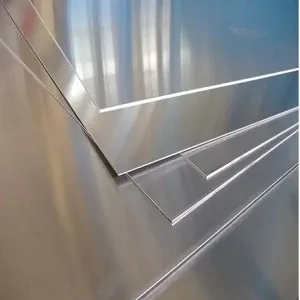


Aluminum sheet flatness should be specified before purchase, especially when the material will be laser cut, punched, bent, machined, laminated, or used as a visible panel. This matters to sheet-metal…

How to compare 5052, 5083, 6061 and 7075 aluminum
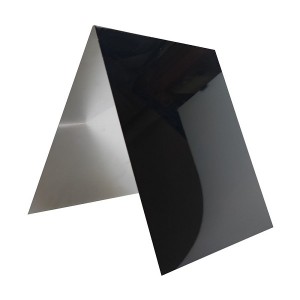
When anodized sheet is better than mill finish aluminum
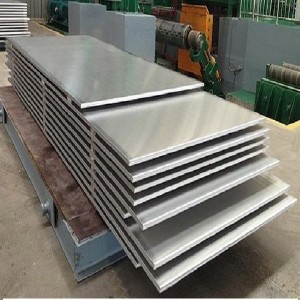
High-strength aluminum plate for aerospace and tooling work
Buyer feedback on this topic often focuses on confirming application details, checking specifications, comparing related products, and planning custom or replacement projects.
I used the page to separate marine aluminum sheet concerns like corrosion exposure from regular aluminum sheet assumptions before drafting our procurement questions.
I was preparing an RFQ and the marine versus regular aluminum sheet comparison helped me describe the installation environment more clearly.
The content gave me practical talking points for asking suppliers whether regular aluminum sheet would be unsuitable for our coastal equipment panels.
I referenced this page while building our specification checklist, especially the difference between marine aluminum sheet performance needs and ordinary sheet selection.
State the application environment, alloy preference, temper, thickness, width, length, surface requirement, and forming or welding needs. This helps a China manufacturer, factory, or supplier quickly compare marine-grade suitability against regular aluminum sheet alternatives.
Clarify protective film, paper interleaving, pallet style, edge protection, moisture protection, marking method, and bundle limits. Packaging requirements matter because marine aluminum sheet surfaces may need stricter protection during replacement sourcing and brand-label handling.
Provide target alloy, temper, dimensions, quantity range, tolerance expectations, surface finish, packaging, destination terms, and whether samples are needed. Clear quotation data reduces repeated questions and helps suppliers shortlist suitable marine or regular aluminum sheet options.
Samples can confirm surface appearance, thickness feel, flatness, edge condition, coating compatibility, and basic fabrication response. For replacement sourcing, sample review helps align buyer expectations before comparing related products or preparing a custom purchase plan.
Key details include corrosion resistance needs, alloy series, temper, strength, weldability, bendability, thickness tolerance, surface finish, and exposure conditions. Marine aluminum sheet is usually considered when moisture, salt, or outdoor durability is a major requirement.
Request checks for dimensions, surface defects, flatness, alloy identification, temper consistency, packaging condition, and traceable production information where available. These checks help private-label buyers compare suppliers without relying only on brochure descriptions or informal assurances.
Send your alloy, thickness, size, finish, quantity, packaging request, and sample needs to receive a more accurate supplier reply.