

0.5-10mm Pad Printing aluminum sheet and cliches
A Pad Printing aluminum sheet or aluminum cliches is a plate or pad that is made from aluminum and has the desired image or design etched or engraved onto its surface. The…
Read MoreDifference Betweem Marline Aluminum Sheet And Regular Aluminum Sheet Sourcing in China: Manufacturer, suppliers and factory | SUZHOU TOP METAL MATERIALS CO.,LIMITED
For a product development team, the difference betweem marline aluminum sheet and regular aluminum sheet should be reviewed before a new product line moves into sampling or quotation. This page helps organize the key comparison points for China Difference Betweem Marline Aluminum Sheet And Regular Aluminum Sheet Manufacturer, Factory & Suppliers.
Use it to check related products, prepare technical questions, and align quality inspection points with supplier documentation. A clearer request helps reduce back-and-forth during RFQ review.
A Pad Printing aluminum sheet or aluminum cliches is a plate or pad that is made from aluminum and has the desired image or design etched or engraved onto its surface. The…
Read More
5052 is an aluminium alloy, primarily alloyed with magnesium and chromium 5052 aluminum is the highest strength alloy of the more non-heat-treatable grades. Its resistance to fatigue is better than mo…
Read More
China brushed anodized aluminum sheet copper color anodising black aluminium plate Anodized aluminum sheet is a sheet metal product consisting of aluminum sheeting exposed to an electrolytic passivati…
Read More
The qualicoated aluminum perforated sheet is from a certified powder coating applied to the aluminum surface, meeting strict international standards, and it provides…
Read More
1050 aluminum sheet is the most useful sort of series 1000 aluminum alloy. As a kind of pure aluminium sheet, 1050 aluminium sheet is excellent on corrosion resistance, thermal conductivity and electr…
Read More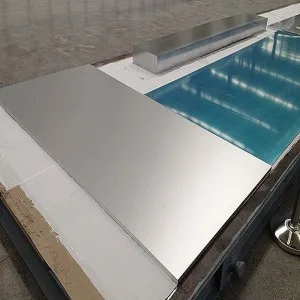
Commercial Grade 5052 Aluminum Plate Customized Aircraft Grade Aluminum Sheet Thickness 1.25″-16″ Width 36″-96″ Length 96″, 120″, 144″, 240″, 288″, 260″ Diamond tread and 5 bar tread plate
Read MoreProduct Comparison Guide
The related product list helps you compare China Difference Betweem Marline Aluminum Sheet And Regular Aluminum Sheet Manufacturer, Factory & Suppliers by actual product direction rather than keyword wording alone. Check whether each product supports new product line development, then use the table below to prepare a clearer RFQ.
| Criterion | What To Check | Why It Matters | Buyer Tip |
|---|---|---|---|
| Material grade | Confirm alloy, temper, thickness | Validates design fit | Attach spec sheet in RFQ |
| Surface difference | Compare finish, flatness, defects | Impacts assembly review | Request close-up sample photos |
| Inspection records | Ask for COA and QC report | Supports quality approval | Match records to batch number |
| Sample confirmation | Test cut, bend, coating response | Reduces launch risk | Approve sample before bulk order |
| Supplier response | Review quotation detail and support | Helps shortlist factories | Ask MOQ, lead time, after-sales |
The main difference betweem marline aluminum sheet and regular aluminum sheet should be confirmed through the supplier’s technical description, material specification, surface requirements, thickness tolerance, and intended application. Product names can vary, so buyers should not rely on the name alone.
When sourcing from China Difference Betweem Marline Aluminum Sheet And Regular Aluminum Sheet Manufacturer, Factory & Suppliers, ask for sample confirmation, product comparison details, inspection references, and quotation terms. This helps your team compare suitability before approving a custom project or trial order.
Start the RFQ by explaining the new product line, expected use environment, target appearance, and any performance requirements. If your team is comparing marline aluminum sheet with regular aluminum sheet, include drawings, size range, thickness, finish, and sample references where available.
Ask the supplier to clarify material grade options, surface condition, tolerances, packaging method, and available documentation. For quality review, confirm what inspection points can be checked before shipment, such as dimensions, surface defects, coating or finish consistency, and order labeling.
For sample confirmation, define how many samples are needed, which specifications must match future bulk production, and what feedback process your team will use. This is important when shortlisting related products or planning a custom project with multiple specification changes.
When comparing supplier replies, look beyond unit price. Review how clearly each supplier answers technical questions, whether the quotation matches your required quantity and delivery destination, and how after-sales support or issue handling is described in writing.
| Criteria | Importance | Description | Example Options |
|---|---|---|---|
| Alloy and temper | High | Defines strength and forming behavior | 5052-H32 vs 3003-H14 |
| Surface finish | High | Affects appearance and downstream processing | Mill finish or coated |
| Tolerance range | High | Controls fit and assembly stability | Thickness and width limits |
| Inspection documents | Medium | Supports quality review records | Dimensional check report |
| Application match | High | Links material choice to product use | Marine exposure or general panel |
Recommended Products
Top product matches should be reviewed by fit, specification clarity, customization readiness, and how well they support quality review. Use these factors to shortlist practical options before contacting the supplier.





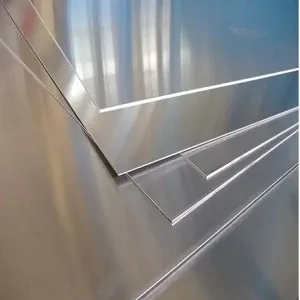

Aluminum sheet flatness should be specified before purchase, especially when the material will be laser cut, punched, bent, machined, laminated, or used as a visible panel. This matters to sheet-metal…

How to compare 5052, 5083, 6061 and 7075 aluminum
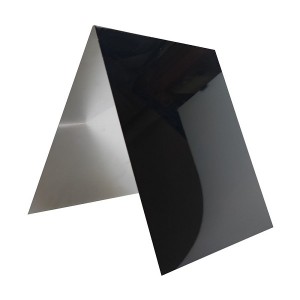
When anodized sheet is better than mill finish aluminum
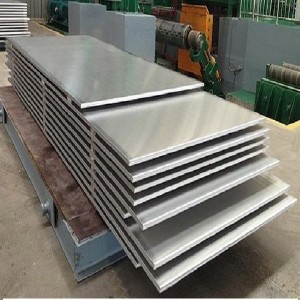
High-strength aluminum plate for aerospace and tooling work
Buyer feedback on this page is best used as a reference for common sourcing situations, such as checking specifications, comparing supplier options, planning a custom project, or shortlisting related products.
I needed to understand how marline aluminum sheet differs from regular aluminum sheet before drafting our enclosure material notes, and this tag page gave me a clearer comparison path.
I used the comparison topic to separate coating, finish, and application questions when discussing marline aluminum sheet versus regular aluminum sheet with our purchasing team.
Before contacting suppliers, I wanted plain buying context on marline aluminum sheet and regular aluminum sheet, especially where appearance, handling, and end use might differ.
I found the tag helpful for framing a sourcing checklist around the difference between marline aluminum sheet and regular aluminum sheet without mixing up general aluminum terms.
Include alloy grade, temper, thickness, width, surface finish, tolerance targets, forming method, end-use environment, and inspection documents required. These details help a China manufacturer or supplier review feasibility and quote comparable options.
Request samples matching the proposed alloy, thickness, surface treatment, and forming requirements. Check appearance, flatness, dimensional consistency, and trial assembly results before using feedback to refine the specification for regular or marline sheet.
Marline aluminum sheet is usually reviewed for specific application performance, surface expectations, or environmental exposure, while regular aluminum sheet is broader-purpose. The exact difference should be confirmed by grade, finish, tolerance, and intended use.
Ask for material specification references, alloy and temper confirmation, dimensional tolerance sheet, surface finish description, inspection record format, and packaging method. These documents support internal quality review and supplier comparison during RFQ preparation.
Focus on thickness tolerance, width and length accuracy, surface defects, flatness, edge condition, hardness where applicable, and consistency between sample and batch. Define acceptable inspection methods before confirming production requirements.
Clarify how nonconformity feedback is handled, what inspection evidence is needed, response channels, replacement or corrective action procedures, and how technical questions are reviewed. Keep requirements written in the purchase and quality documents.
Send your RFQ with application details, target specifications, quantity range, destination, sample request, and required inspection documents so the supplier can respond with a more accurate quotation.