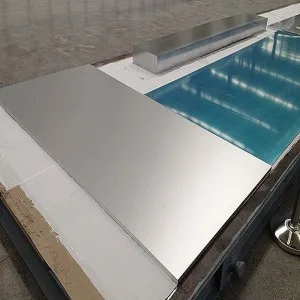
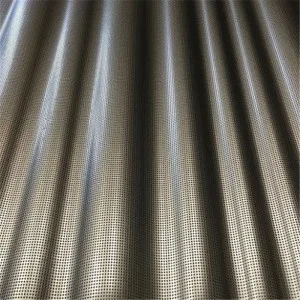
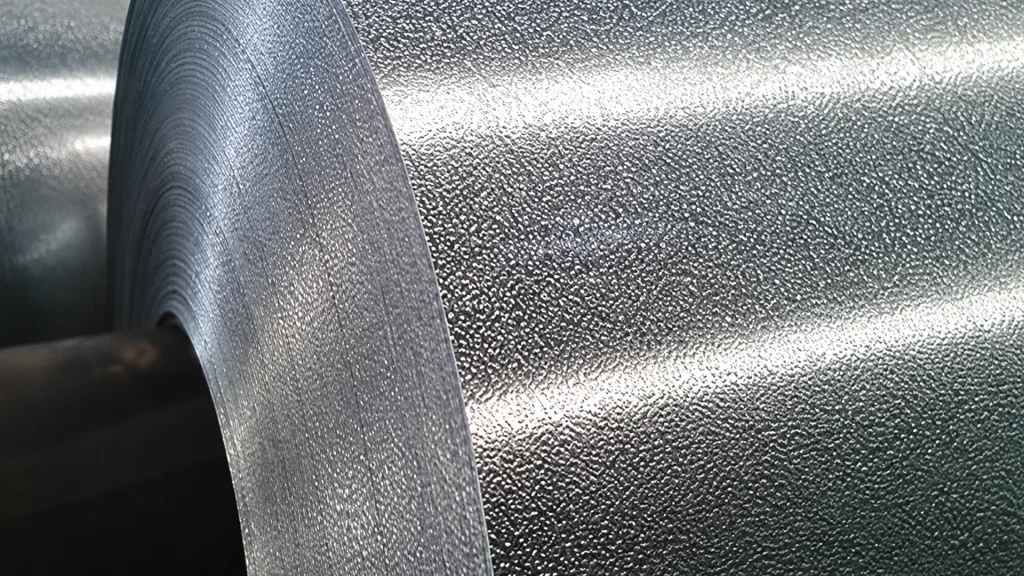
A cut edge is not the same as a finished edge. Fiber laser cutting may leave burrs, dross or visible marks, depending on the sheet, geometry and cutting process. If the part will be handled, anodized, welded or fitted against another component, state the required edge condition and whether deburring is acceptable. A visually clean cut alone may not meet an assembly tolerance or appearance requirement.
Start with the alloy, temper and thickness your part needs. Temper affects forming after cutting, while thickness and part geometry affect how readily a cutting process can produce the required features. Avoid choosing material solely because it is described as laser-cuttable if the finished part must also bend or carry a load.
Check the drawing for narrow slots, small holes, sharp internal corners and closely spaced features. These details may need adjustment to suit the material thickness and the tolerances that matter in assembly. Separate critical fit dimensions from dimensions that can accept normal cutting variation.
Specify which face is visible and whether scratches, cutting marks or a protective film matter. If you plan to anodize or coat the part, confirm the base-metal and edge appearance requirements before cutting rather than assuming the finish will conceal defects.
Send the drawing, material requirement and intended use to SUZHOU TOP METAL MATERIALS CO.,LIMITED, and ask whether the inquiry should be for sheet stock or cut-to-drawing parts. Confirm the achievable edge condition and any secondary finishing needed before approving the material and process.