

Thick Aluminum Sheet
The next finer classification is the aluminium sheet standard sizes. Standard aluminium sheet sizes include aluminium sheet metal thickness, width and length. When ordering aluminum alloy sheet, custo…
Read MoreHow Thick Is 25 Gauge Aluminum Sheet Metal Sourcing in China: Manufacturer, suppliers and factory | SUZHOU TOP METAL MATERIALS CO.,LIMITED
For an import distributor reviewing a supplier shortlist, 25 gauge aluminum sheet metal is usually checked first by thickness, tolerance, finish, and export readiness. This page helps connect the search for China How Thick Is 25 Gauge Aluminum Sheet Metal Manufacturer, Factory & Suppliers with practical sourcing questions.
Use it to prepare clearer RFQs, compare related product options, and confirm packing method before bulk order discussions begin. Early detail reduces avoidable delays in sample approval and shipment planning.
The next finer classification is the aluminium sheet standard sizes. Standard aluminium sheet sizes include aluminium sheet metal thickness, width and length. When ordering aluminum alloy sheet, custo…
Read More
3003 Aluminum Sheet Features ♦ Alloy: 3003 ♦ Temper: H14, H16, H18, H22, H24, H26, O ♦ Thickness(mm):0.25-10 ♦ Width(mm):800-2200 ♦ This series aluminum sheet is anticorrosive and its production techn…
Read More
Mirror Finish Alloy Metal Anodized Aluminum Plate Sheet is widely used in lighting reflectors and lamp decorations, solar heat collection reflective materials, interior architectural decoration, exter…
Read More
Deep Drawing Aluminum Sheet Circle 1050 1060 Aluminum Plate ASTM B209 Approved Deep drawing 1050 1060 ASTM B209 cookware use aluminium sheet circle Aluminum circle, as aluminum disc, is normally with …
Read More
Anodized Aluminum is corrosion and abrasion resistant meaning it will not fade, chip, peel, or flake. Anodizing is a process used to increase the thickness of the natural oxide layer on the surface of…
Read More
China brushed anodized aluminum sheet copper color anodising black aluminium plate Anodized aluminum sheet is a sheet metal product consisting of aluminum sheeting exposed to an electrolytic passivati…
Read More25 Gauge Aluminum Sheet Product Guide
The related product list helps you compare China How Thick Is 25 Gauge Aluminum Sheet Metal Manufacturer, Factory & Suppliers by actual product direction rather than keyword wording alone. Check whether each product supports supplier shortlist review, then use the table below to prepare a clearer RFQ.
| Criterion | What To Check | Why It Matters | Buyer Tip |
|---|---|---|---|
| 25 gauge thickness | Confirm mm/inch spec | Avoid gauge mismatch | Ask tolerance in RFQ |
| Packing method | Pallet, coil, or sheet pack | Protects export handling | State unloading needs |
| Custom size plan | Width, length, alloy, temper | Clarifies processing scope | Attach drawings if any |
| Bulk order prep | MOQ, lead time, split shipments | Supports distributor planning | Request schedule options |
| Sample confirmation | Sample size and finish | Reduces approval risk | Approve before bulk |
25 gauge aluminum sheet metal is commonly around 0.020 inch, or about 0.51 mm, but the confirmed thickness should always follow the supplier’s gauge chart, alloy, and production tolerance. Buyers should ask for the exact millimeter value on the quotation and sample label.
When sourcing from China How Thick Is 25 Gauge Aluminum Sheet Metal Manufacturer, Factory & Suppliers, include the required size, alloy, temper, surface finish, quantity, destination port, and packing requirements. This gives the factory a better basis for pricing, lead-time review, and export handling.
Start your shortlist review by confirming whether 25 gauge aluminum sheet is suitable for the intended application. For custom projects, compare the thickness requirement with forming, cutting, surface protection, and final appearance needs before requesting a formal quotation.
For bulk order preparation, ask suppliers to state the exact thickness in mm, accepted tolerance, available alloy and temper, sheet or coil size, surface finish, and MOQ. If you are comparing related products, request alternatives near the same thickness so your team can assess cost and performance trade-offs.
Packing method should be reviewed early, especially for export orders. Confirm whether sheets require film, interleaving paper, pallet packing, edge protection, moisture protection, or custom marks. Clear packaging requirements help reduce handling risk during loading, transit, and warehouse receiving.
Before final approval, request a sample or specification confirmation, then align the lead time with your purchasing schedule. A complete RFQ should include quantity range, destination, Incoterms preference, inspection needs, and any labeling or documentation requirements for import distribution.
| Criteria | Importance | Description | Example Options |
|---|---|---|---|
| Thickness basis | High | Confirm gauge conversion | 25 gauge in mm |
| Packing method | High | Controls transit handling risk | Pallet, film, corner guards |
| Format | Medium | Affects processing and loading | Sheet or coil |
| RFQ data | High | Improves quotation clarity | Alloy, temper, size |
| Sample check | Medium | Verifies custom requirements | Surface and tolerance |
Recommended Products
Top product matches should be reviewed by fit, specification clarity, customization readiness, and how well they support customization planning. Use these factors to shortlist practical options before contacting the supplier.







How to compare 5052, 5083, 6061 and 7075 aluminum

When anodized sheet is better than mill finish aluminum
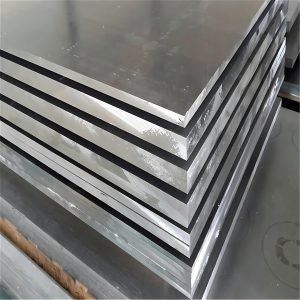
T6 vs T651 vs H116: what the suffix changes
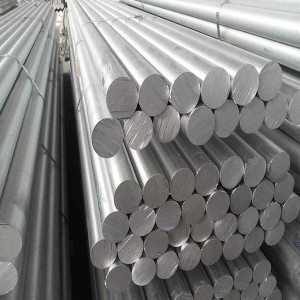
Estimating material weight before shipment planning
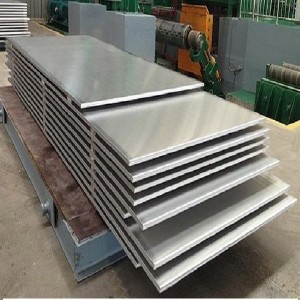
High-strength aluminum plate for aerospace and tooling work
Recent buyer-style reviews focus on planning custom projects, checking specifications, comparing supplier options, and preparing RFQs for aluminum sheet orders.
I used the page to clarify how thick 25 gauge aluminum sheet metal should be discussed before sending our fabrication requirements to a China supplier.
My RFQ wording improved because I could separate the 25 gauge aluminum thickness question from alloy, finish, and tolerance details.
I was comparing sheet metal references, and this tag page helped me ask more precise questions about 25 gauge aluminum thickness conversion.
Before discussing options with our purchasing team, I used this page to align everyone on what 25 gauge aluminum sheet metal thickness meant.
25 gauge aluminum sheet is commonly referenced around 0.018–0.020 inch, but gauge charts can vary by metal standard. Import distributors should confirm the exact millimeter thickness, tolerance, alloy, temper, and surface requirement before RFQ submission.
A useful RFQ should include thickness in millimeters, alloy grade, temper, sheet or coil format, width, length, surface finish, edge condition, packing preference, destination port, and any documentation needed for import handling review.
Buyers should state whether export pallets, moisture protection, corner guards, interleaving paper, film protection, or coil eye direction are required. Clear packing instructions reduce handling risk during loading, container movement, and distributor warehouse receiving.
Ask when production can start after specification confirmation, whether tooling or slitting setup is needed, how packing approval affects timing, and what documents are required before shipment booking. Avoid assuming timing before the supplier reviews requirements.
25 gauge is relatively thin and suited to lightweight sheet applications. Import distributors comparing 24, 25, and 26 gauge should evaluate stiffness, forming behavior, handling damage risk, and whether the end customer specifies inch or millimeter thickness.
A sample helps confirm actual thickness, surface appearance, protective film choice, flatness, and packing concept. For custom distributor projects, sample approval can reduce mismatch risk before committing to bulk production and export handling arrangements.
Send your required thickness, alloy, finish, size, quantity, destination, and packing method so the supplier can review pricing, samples, and lead time more accurately.