
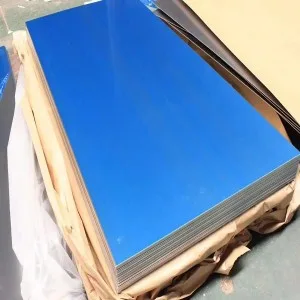
5086 aluminum sheet plate factory
5086 aluminum sheet is one of the representative products of the marine aluminum sheet. 5086 aluminum sheet prices are generally high, which is inseparable from its complex production process and stab…
Read MoreMarine Aluminum Sheet Selection Guide | SUZHOU TOP METAL MATERIALS CO.,LIMITED
Marine aluminum sheet for a hull, deck or enclosure needs to match the exposure and the way the part will be formed or joined. Start with the component’s job: a formed cover and a welded hull panel may call for different alloys and tempers, even though both spend time near salt water.
5086 aluminum sheet is one of the representative products of the marine aluminum sheet. 5086 aluminum sheet prices are generally high, which is inseparable from its complex production process and stab…
Read More
Marine Grade aluminum plate sheet coil has excellent resistance against seawater and industrial chemicals, It is applicable for the manufacturing of different kinds of ships…
Read More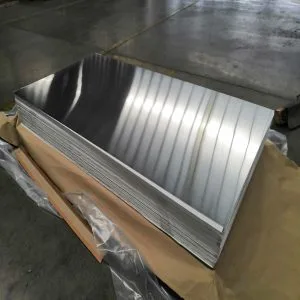
5086 marine grade aluminum plate has good weld-ability, which facilitates various forms of connection and assembly during the ship manufacturing process. Its low density, high tensile strength and hig…
Read More
5083 aluminium alloy is an aluminium alloy with magnesium and traces of manganese and chromium. It is highly resistant to attack by seawater and industrial chemicals. Alloy 5083 retains exceptional st…
Read More
5052 is an aluminium alloy, primarily alloyed with magnesium and chromium 5052 aluminum is the highest strength alloy of the more non-heat-treatable grades. Its resistance to fatigue is better than mo…
Read More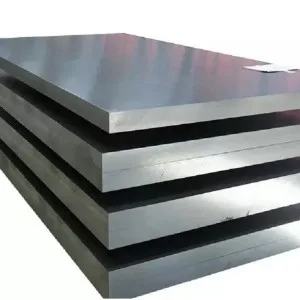
6061 Aluminum Plate / aluminium Sheet is highly versatile and normally used for aerospace, marine, electronic, ornamental, machinery, and structural applications. 6061 aluminum plate has a high streng…
Read MoreSheet selection criteria
Compare candidate sheets by alloy, temper, thickness and fabrication method first; then check surface condition and documentation against the conditions the finished part will face.
| Criterion | What To Check | Why It Matters | Buyer Tip |
|---|---|---|---|
| Alloy and temper for the part | Compare the specified alloy and temper with the part’s exposure and forming needs. | Marine aluminum sheet is not one grade; a sheet suited to a formed cover may not suit a welded, load-bearing part. | Is this for a hull component, deck fitting, enclosure or interior panel? |
| Welding and forming | Confirm the bend requirements and whether the sheet will be welded; review the chosen temper with the fabricator. | Temper affects formability, and welded areas may not retain the strength of the original sheet. | Share the bend details and joint design before settling on a temper. |
| Thickness and sheet dimensions | Specify thickness, cut size and any critical flatness or thickness tolerances on the drawing. | These details affect stiffness, fit and fabrication waste. | Which dimensions must be held after cutting or forming? |
| Seawater exposure and contact metals | Identify splash, immersion or sheltered use, and note any fasteners or adjoining metals. | Exposure and dissimilar-metal contact can change the corrosion risk even with a marine-suitable alloy. | Ask how joints and contact points will be isolated or protected in the finished assembly. |
The key distinction is between sheet selected for easy forming and material specified for a load-bearing marine structure. A 5xxx-series alloy such as 5052 may suit formed covers or interior parts, while hull and deck designs commonly specify alloys such as 5083 with a particular temper. These are not interchangeable just because both resist corrosion: strength, forming behavior and performance after welding can change the choice. Follow the design specification for structural parts rather than substituting a familiar alloy.
Describe where the sheet will work: submerged, exposed to spray, or sheltered inside the vessel. Include contact with other metals and any coating plans. Those details affect corrosion-control decisions beyond the alloy name.
Specify the alloy and temper together. Temper affects strength and how readily the sheet bends; a harder temper may not suit a tight formed shape. If the part will be welded, confirm that the proposed material and temper fit the approved design and fabrication requirements.
Give the required thickness, cut size, flatness and surface condition. Check which dimensions apply to the base metal, especially if a coating or protective film is requested. Calling a material “marine grade” without these details leaves too much room for an unsuitable substitution.
For an inquiry, send the drawing or intended use and identify any required material standard and documentation. Ask SUZHOU TOP METAL MATERIALS CO.,LIMITED which alloy, temper, size and documentation it can offer against those requirements.
| Criteria | Importance | Description | Example Options |
|---|---|---|---|
| Exposure | Determines how closely the material and protection must match the service environment. | Distinguish continuous seawater contact from spray exposure or sheltered use. | A submerged fitting faces different conditions from an interior access panel. |
| Forming and joining | Can rule out an otherwise suitable alloy and temper. | Check required bends, welded joints and the fabrication requirements in the design. | A tight-bent cover and a welded panel may need different material choices. |
| Thickness and stiffness | Affects deflection, weight and fit. | Choose thickness against the part design rather than treating it as a substitute for alloy or temper. | A wide unsupported panel may need a different thickness or support arrangement than a small cover. |
| Surface and metal contact | Matters where moisture can collect or unlike metals meet. | Account for the specified finish, drainage and any required separation at fasteners or joints. | A sheet fastened to a different metal needs its contact details reviewed. |
| Material identification | Helps buyers check that the delivered sheet matches the order. | Agree on the required standard, documentation and identification of cut pieces. | A project that tracks individual parts may need each cut piece linked to its material records. |
Related Options
For a formed marine enclosure, bendability may be the deciding factor. For a welded hull panel, the specified structural alloy and temper take priority over choosing a sheet that is simply described as corrosion-resistant.
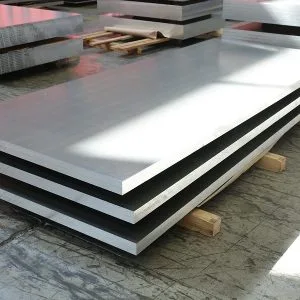
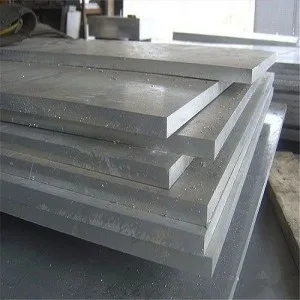
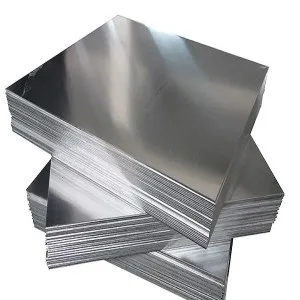




When buyers search for a reflective aluminum sheet manufacturer, the key challenge is usually not finding a supplier website. The more important question is whether the supplier can provide a product …

A request for 6061 0 aluminum sheet is a temper-specific purchasing question, not simply a request for generic 6061 sheet. That distinction matters when a buyer compares supplier quotations. TOP METAL…

5052 aluminum sheet and plate are flat-rolled aluminum-magnesium products considered for parts that need formability, corrosion resistance and moderate strength. Choosing the material means specifying…

Anodized aluminum sheet thickness can mean two different things: the thickness of the aluminum substrate and the thickness of the anodic oxide layer. They are not interchangeable. Substrate thickness …

Stucco embossed aluminum sheet changes the surface appearance of insulation jacketing. Its irregular texture makes minor handling marks less conspicuous and reduces glare compared with a smooth finish…

Direct Answer: Buyers should ask an anodised aluminum sheet supplier China sourcing teams are reviewing to define the base alloy, temper, thickness, sheet size, anodizing sequence, finish, color-contr…
Do not assume so. Continuous seawater contact and a sheltered interior place different demands on the material and its protection. For a submerged component, follow the vessel design and confirm the specified alloy, temper and surface protection before ordering.
Aluminum can reduce weight and may be easier to form, while stainless steel may offer greater stiffness in a comparable part. The choice depends on the cover’s loads, fastening method and contact with other metals—not corrosion resistance alone.
No. Salt deposits, trapped moisture and contact with dissimilar metals can still cause problems. The part design, drainage, fasteners and any specified coating or isolation matter alongside the alloy.
Not as a general substitution. Thickness affects weight and stiffness, while temper affects strength and forming behavior. For a designed component, confirm both against the drawing before changing either.
State the required alloy, temper, dimensions and material standard, then ask what material identification and test documentation can accompany the order. Also agree on how cut pieces will remain identifiable if traceability matters to the project.
Tell us the component’s use, required alloy and temper if specified, and the thickness and cut size you need.