Nordic Ware Extra-Large Cookie Sheet vs. China Sheet Manufacturer | SUZHOU TOP METAL MATERIALS CO.,LIMITED

Nordic Ware Extra-Large Cookie Sheet vs. China Sheet Manufacturer

If you need a Nordic Ware extra-large aluminum cookie sheet, start with the finished tray: its usable baking area, edge shape and fit in your oven matter more than the words “extra large.” Check the exact model dimensions before ordering, including clearance around the tray for handling.

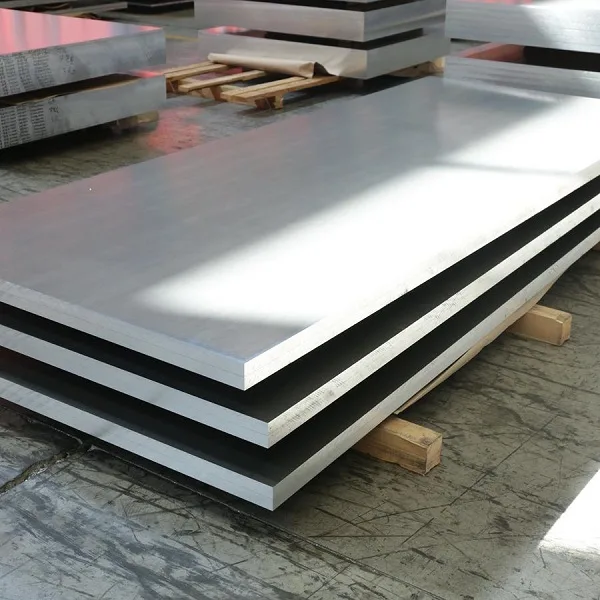
If you are instead sourcing aluminum sheet to make a similar tray, that is a different purchase. SUZHOU TOP METAL MATERIALS CO.,LIMITED can be asked about suitable sheet material, but its name does not establish that it supplies Nordic Ware products or finished bakeware.

Related Products

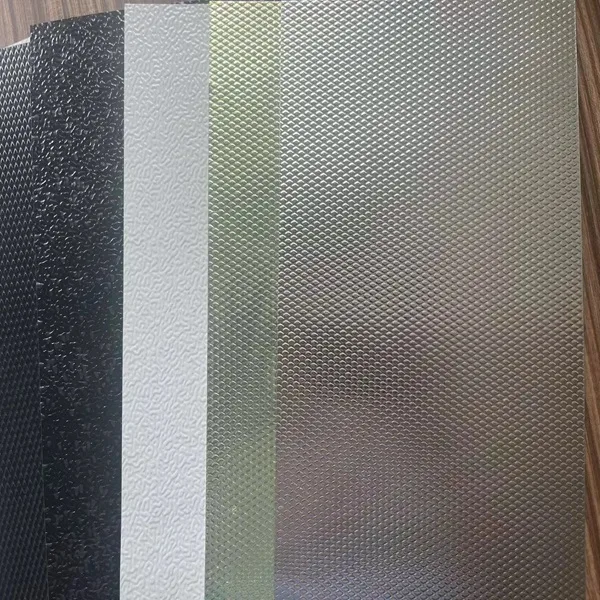
Stucco Embossed Aluminum Sheet

Stucco Embossed Aluminum Sheet

A stucco embossed finish is designed to have superior durability, reduce glare and reflectivity, and also to give aluminum a decorative finish. The stucco aluminum sheet is also a finish that can stan…

Read More

Finished cookie sheet or aluminum sheet stock?

Compare the two purchase paths

For a finished cookie sheet, compare overall size, usable baking area and edge style. For aluminum stock, compare specified thickness, formability and surface-finish requirements against the proposed tray design.

Criterion What To Check Why It Matters Buyer Tip
Exact branded product Confirm the Nordic Ware model and ask for a photo of the packaging or product marking. An aluminum sheet made to a similar shape is not necessarily the branded cookie sheet. Ask the seller to identify the exact item before comparing offers.
Oven and rack fit Compare the sheet’s outside dimensions with the usable width and depth of your oven and racks. An extra-large sheet needs clearance for handling and air circulation. Ask for outside dimensions, including any raised edge.
Edge and surface design Confirm whether the sheet has a raised edge or an open side, and whether its surface is bare aluminum or coated. The edge affects how easily cookies slide off; the surface affects cleaning and utensil choice. Match the design to how you transfer and clean baked goods.
Sheet thickness and rigidity Ask for the metal thickness and how the edge is formed if you are comparing alternatives. Construction affects handling and resistance to bending, especially with a large pan. Compare stated thickness in the same units rather than relying on gauge names alone.
Branded item or factory-made alternative If contacting suppliers in China, ask whether their factory supplies the genuine Nordic Ware item or manufactures an unbranded alternative. A manufacturer’s similar aluminum sheet should not be treated as the same branded product. Request a drawing and material description for any proposed alternative.

Check oven fit, edges and forming needs

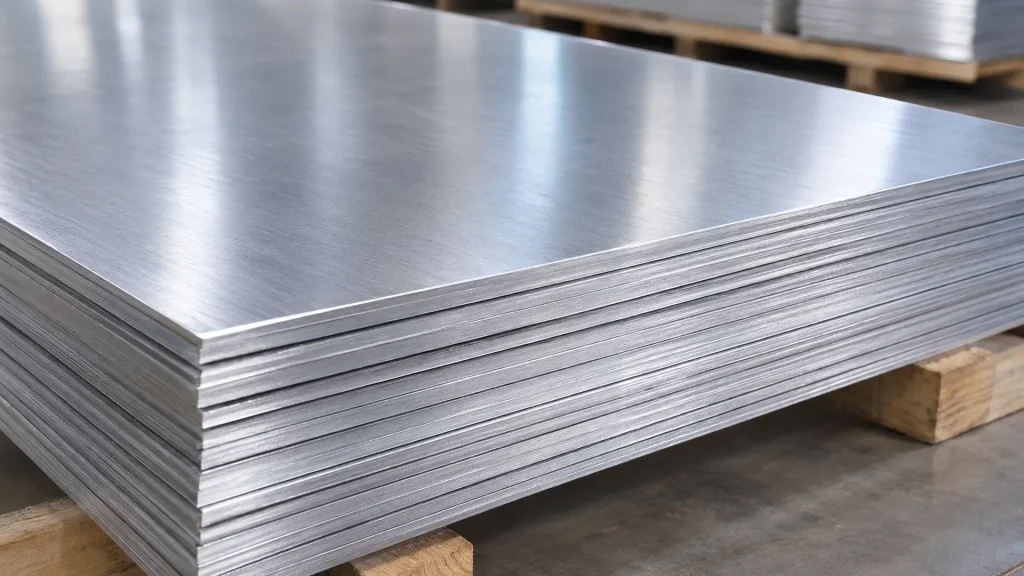
A finished cookie sheet and aluminum sheet stock are not interchangeable. A cookie sheet is ready for baking, with its edges and surface already formed. Sheet stock still needs cutting, forming and an appropriate finish before it can become a food-contact tray.

For a finished Nordic Ware item, confirm the model and dimensions through the brand or an authorized seller. For a manufacturing project, compare sheet options against the tray design and intended forming process rather than trying to match a retail product name.

Measure the oven rack and the route into the oven, not just the space where the tray will sit. An extra-large sheet that fits the rack may still be awkward to insert or remove. Also check whether the listed size includes the edges; the usable area can be smaller.

For a tray design, decide whether you need a flat sheet with a raised grip edge or a rimmed pan that contains loose ingredients. Edge geometry affects handling and forming, while sheet thickness affects stiffness and weight. Specify thickness directly rather than relying on a gauge name alone.

If contacting aluminum suppliers in China, describe the intended food-contact application and ask what material and surface-finish options they can discuss. Do not assume a sheet manufacturer supplies finished bakeware. Ask any prospective factory whether it supplies flat stock only or can discuss cut and formed parts.

The next step depends on the purchase: send the Nordic Ware model and oven measurements to a finished-product seller, or send a tray drawing, intended forming process and finish requirements to a material supplier. That distinction prevents a quote for raw sheet when you need a ready-to-use cookie sheet.

Criteria Importance Description Example Options
Finished tray versus sheet stock Determines whom to contact and what you will receive. A finished cookie sheet is a baking product; aluminum sheet is material for fabricating one. Ask a finished-product seller for a specific Nordic Ware model; ask material suppliers about sheet for a tray drawing.
Overall size versus usable area Critical for oven fit and the amount of baking space available. Outside dimensions include edges and may not describe the flat area available for cookies. A tray can fit on an oven rack yet leave less flat baking area than expected.
Flat edge versus rimmed edge Changes handling, ingredient containment and the forming needed for a custom part. Match the edge to the food being baked and, for fabrication, to the planned forming process. A rim helps contain loose toppings; a flatter edge makes it easier to slide cookies off.
Thickness and formability Relevant when specifying material for a tray design. Thickness affects stiffness and weight, while the chosen material condition must suit the intended forming. Specify thickness directly and show the proposed edge bend on the drawing.
Surface and intended use Essential to clarify for a tray intended to contact food. A raw sheet’s appearance alone does not establish that its material or finish suits the intended use. Tell a prospective supplier that the formed part will contact food and ask what finish options and documentation it can provide.

Product Selection

Related Options

If the sheet is for batches of cookies in a home oven, reliable fit and room to handle the tray take priority over maximum stated area. If it is material for production, the priority shifts to sheet that can be formed into the required edge without compromising the intended surface.

Blog Articles / Reviews

Frequently Asked Questions

Is an extra-large cookie sheet always better for baking a full batch?

Not if it leaves too little room to handle the tray or blocks the airflow your oven needs. Compare the sheet’s overall dimensions with your oven’s usable space, then check how much of the sheet is actually available for cookies.

Should I choose a flat cookie sheet or a rimmed pan?

A flat sheet gives you easier access to cookies, while a rimmed pan better contains ingredients that may roll or release liquid. Choose by what you bake most often rather than treating the two edge styles as interchangeable.

Does buying aluminum sheet give me the same thing as a Nordic Ware cookie sheet?

No. Aluminum sheet is raw material, not a branded, ready-to-use tray. It still needs the specified cutting, forming and surface preparation for the intended application.

What should I ask a China-based manufacturer about a custom tray project?

Ask whether it supplies flat sheet, cut blanks or formed parts, and provide a drawing that identifies the edge shape and intended use. If food contact is required, ask what material and finish documentation it can provide rather than assuming its stock is suitable.

Can a sheet factory quote from the words “extra-large cookie sheet”?

That description is too broad for a material quote. Give the target dimensions, specified thickness, edge design and forming requirements so the factory can say which part of the project it can supply.

Leave Your Message

Tell us whether you need aluminum sheet stock or a finished tray. For a sheet inquiry, include the tray drawing or target dimensions, intended forming process and surface-finish requirements.