
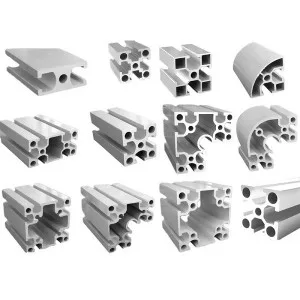
Custom aluminum profile manufacturer
Custom Aluminium profile is widely used in construction, machinery, industry, etc. Aluminium profiles are a great way to add both style and function to your home.
Read MoreAluminum Profile Extensions | SUZHOU TOP METAL MATERIALS CO.,LIMITED
Extending an aluminum profile can give a frame or enclosure the length it needs without changing its cross-section. The main decision is whether to join two lengths or specify one continuous piece: a joint may simplify handling, but it can affect alignment, appearance and stiffness.
Custom Aluminium profile is widely used in construction, machinery, industry, etc. Aluminium profiles are a great way to add both style and function to your home.
Read More
Mill Finish Aluminum Sheet Circle 1060 1070 1100 3003 Aluminum Plate For Cookware Aluminum circle 1050 1060 1070 3003 etc is mainly used in making cookware, like non-stick pan, pressure cooker, hardwa…
Read More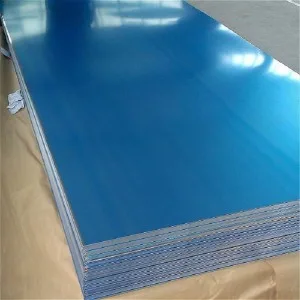
Aluminium 1080A, with the European designation EN AW-1080A is a ‘commercially pure’ alloy, minimum 99.8% Al, available as round bar or wire For the 1080 industrial pure aluminum, with high plast…
Read More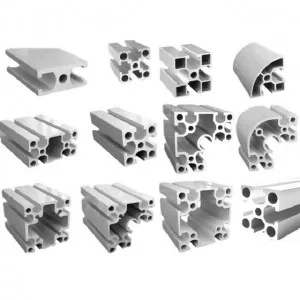
Aluminum profiles are products born from aluminum alloys bar that are transformed into shaped objects through the extrusion process. Extrusion alumium profiles are used in…
Read More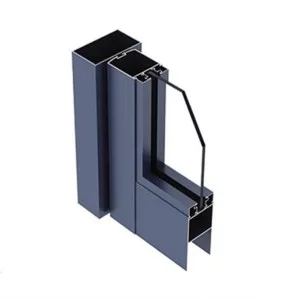
Aluminium extrusion profile for doors and windows is a kind of door and window frame decoration building material made of aluminum alloy as raw material. Its advantages are…
Read More
Deep Drawing Aluminum Sheet Circle 1050 1060 Aluminum Plate ASTM B209 Approved Deep drawing 1050 1060 ASTM B209 cookware use aluminium sheet circle Aluminum circle, as aluminum disc, is normally with …
Read MoreCompare profile fit
Compare the cross-section first, then the required length, joint position, finish and load conditions. Those details determine whether an extension connector is suitable or a continuous profile is the better choice.
| Criterion | What To Check | Why It Matters | Buyer Tip |
|---|---|---|---|
| Profile cross-section and slot fit | Compare dimensioned drawings of the existing profile and the proposed extension, including slot and wall details. | Profiles that look alike may not accept the same connectors or align at the joint. | Can you match this cross-section drawing to the profile I need to extend? |
| Joint method | Identify whether the extension uses an internal connector, splice plate or another specified joint. | The joint affects alignment, visible hardware and how the assembly is put together. | Which joining method fits this profile and the required appearance? |
| Loads at the joint | Provide the span, supports and expected loads for review of the assembled profile. | A joined length should not be assumed to behave like one continuous piece. | Is the proposed joint suitable for this load and support arrangement? |
| Finished length and alignment | State the overall length, cut-length tolerance and any hole or feature positions that must line up. | Small length or position differences can prevent the extension from fitting adjacent parts. | What dimensions should I put on the drawing for the finished assembly? |
| Visible finish at the join | Compare finish samples or specifications for both sections and decide whether the joint will be exposed. | Differences in color, texture or cut-edge treatment are more noticeable on a continuous visible run. | How can I confirm the new section will match the existing profile closely enough? |
An extension joins existing profiles end to end; an extrusion is the profile itself, made with a particular cross-section. If you need more length, check whether a connector fits the profile’s slots or internal shape. If you need a different cross-section, a connector will not solve that problem.
Joint location matters. A visible enclosure edge may need a less conspicuous joint, while a loaded frame member needs its joint assessed against the loads and support positions. Where an uninterrupted face or stiffness is critical, ask about a single-length profile instead.
Start with the profile drawing or its cross-section dimensions. Similar-looking profiles can have different slot widths, wall shapes and internal openings, so a connector described only as fitting “aluminum profile” may not fit yours.
Decide where the extension will sit. For a cover or light enclosure, appearance and alignment may lead the choice. For a structural frame, explain the direction of the load and where the member is supported so the joint can be evaluated for that use.
Compare a joined assembly with a continuous length before settling on either. A joint adds components and a visible transition; a continuous length may be harder to transport or accommodate in the assembly. Also confirm the finish on both lengths if they must look alike.
Send SUZHOU TOP METAL MATERIALS CO.,LIMITED a profile drawing, the required overall length and the intended use. Ask which compatible profile and joining options it can provide, and whether it can supply the length without a joint.
| Criteria | Importance | Description | Example Options |
|---|---|---|---|
| Connector fit | Essential for joining an existing profile | Compare slot geometry and internal cavities as well as outside dimensions. | Profiles with equal outside widths may need different internal connectors. |
| Joint under load | Critical for a load-bearing member | Consider load direction, support positions and the proposed connector before treating a joint as structural. | A joint near the middle of a supported span calls for closer assessment than a joint in a non-load-bearing cover. |
| Access and clearance | Important when extending an assembled frame | Check whether the joining method needs an open profile end or occupies space outside the profile. | An external plate may interfere with a panel that sits flush against the frame. |
| Appearance at the joint | Important on exposed edges | Compare the visibility of the connector, alignment of the two lengths and finish consistency. | A concealed frame rail may tolerate a visible plate that would be unsuitable on a display enclosure’s front edge. |
Related Options
For a machine enclosure, a well-aligned joint may be acceptable on a concealed frame member but distracting along a visible door edge. Put the joint location on the drawing before choosing the profile and connector.






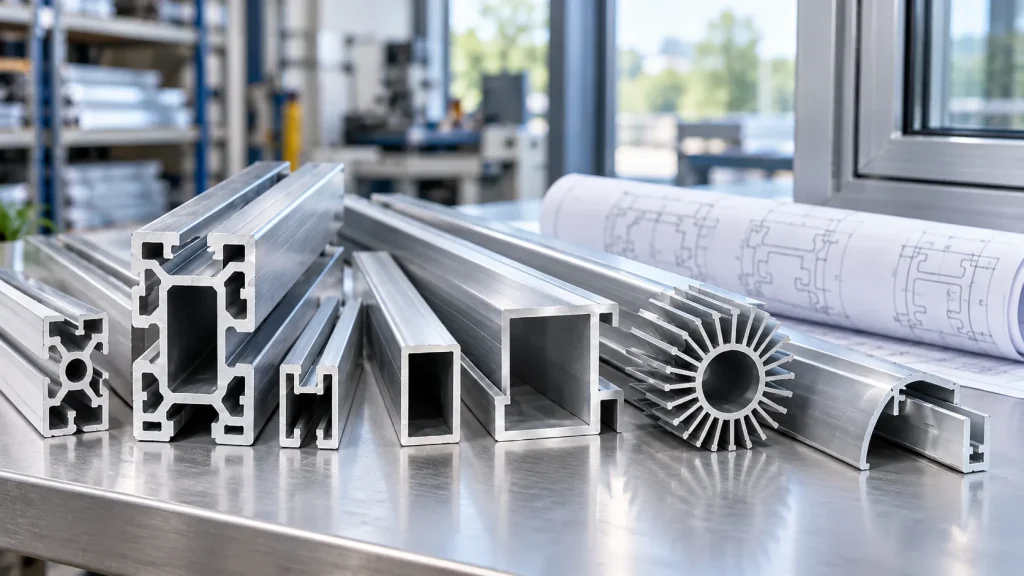
An aluminum profile is an aluminum or aluminum-alloy product with a defined cross-sectional shape that continues along its length. In construction and industrial supply, the term commonly refers to an…
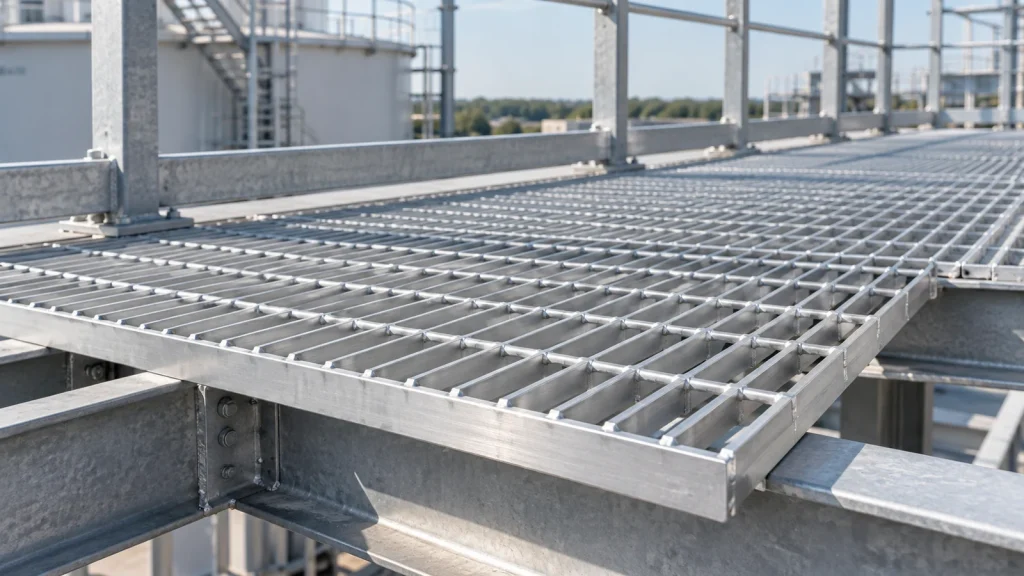
An aluminum bar grating load table is useful only when its product configuration, span, loading pattern and design assumptions match the panel being considered. Check the required load and the corresp…

Perforated aluminum sheet can provide a ventilation path, but open-area percentage is not an airflow or pressure-drop rating. Begin with the hole pattern, calculate the openings available after solid …

When sourcing from an aluminum coil manufacturer in China, B2B buyers need more than a product name or a basic quotation request. A reliable procurement specification should connect the aluminum coil …

When buyers search for a reflective aluminum sheet manufacturer, the key challenge is usually not finding a supplier website. The more important question is whether the supplier can provide a product …

3003 alloy aluminum coil is an Al-Mn, non-heat-treatable material used where formability and corrosion resistance matter. But a B2B buyer cannot build a reliable quotation around the words “3003…
It depends on how the joint is made and whether you can reach the profile ends or slots. An internal connector may require access to an open end, while an external joining plate may remain visible. Share a photo of the assembled frame and the profile cross-section before choosing a connector.
Do not assume it will. Joint performance depends on the connector, fasteners, load direction and distance from the supports. For a load-bearing member, have the proposed joint and its position checked against the application.
Not necessarily. Two profiles can have the same outside width but different slot openings, wall thicknesses or internal cavities. Match the connector to the cross-section drawing, not just the outside dimensions.
A joining plate may be easier to inspect or fit where the profile’s internal cavity cannot accept a connector, but it changes the appearance and may obstruct adjacent parts. A concealed connector keeps the outside clearer if it fits the profile and the joint can be assembled as intended.
Provide the cross-section drawing or clear end-view dimensions, the added length needed and photos showing nearby panels or fittings. State whether the member carries a load and whether the joint must be hidden; these details help determine which options are worth checking.
Share the profile drawing or cross-section dimensions, required overall length and intended application so the available length and joining options can be checked.