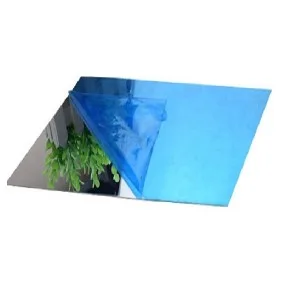
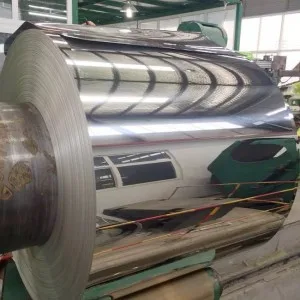
A specular finish sends light in a more defined direction; a diffuse finish spreads it more broadly and can reduce visible glare. That distinction matters in a luminaire, where the reflector shape and light distribution affect the result. For radiant-heat applications, ask about performance in the relevant wavelength range rather than relying on a visible-light reflectance figure.
Start with the application and the measurement that matters. If the part has an optical requirement, state the relevant wavelength range and whether you need total or specular reflectance. Request the test method alongside any reported value so finishes can be compared on the same basis.
Choose the substrate and thickness for the finished shape, not just the flat sheet. Bends, stamped features and mounting holes can affect the reflective surface. Share a drawing and ask whether the proposed finish is suitable for the required forming sequence.
Consider what the surface will encounter after installation. Cleaning, handling, moisture and abrasion can change its appearance or performance. Ask how the surface is protected during fabrication and transport, and whether any coating or film is intended to remain on the installed part.
Before placing an order, agree on which face must be reflective, the acceptable appearance and edge condition, and how finished sheets will be inspected. A sample evaluated under the intended lighting or heat source can resolve differences that a finish name alone cannot.