
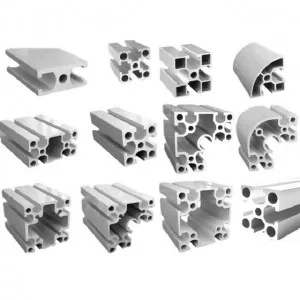
Extrusion alumium profiles
Aluminum profiles are products born from aluminum alloys bar that are transformed into shaped objects through the extrusion process. Extrusion alumium profiles are used in…
Read MoreChoosing Round Aluminum Extrusion Profile Suppliers in China | SUZHOU TOP METAL MATERIALS CO.,LIMITED
Round aluminum extrusion profiles are used for frames, sleeves, handles and other parts that need a consistent circular section. The first decision is whether your part needs a solid rod, a hollow tube or a custom profile with internal features; that choice affects weight, fastening and the drawing a supplier needs to review.
Aluminum profiles are products born from aluminum alloys bar that are transformed into shaped objects through the extrusion process. Extrusion alumium profiles are used in…
Read More
China aluminum sheet coil suppliers RAYIWELL MFG / RuiYi aluminum can offer 1050 1100 2024 3003 4017 5052 6061 7075 aluminum sheet or aluminum coil in custom sizes and patterns…
Read More
Polished Mill Finish Aluminum Round Plate 3003 5052 Round Aluminum Discs Polished / Mill Finish Aluminum Round Plate , 3003 5052 Round Aluminum Discs 1050 1060 aluminium discs circle manufacturer 3003…
Read More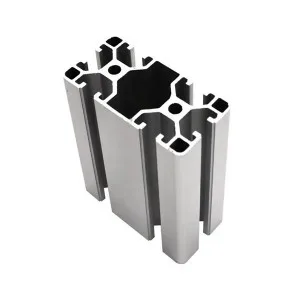
Industrial aluminium extrusion profiles are widely used and highly versatile. It is famous for its environmental protection, convenient assembly and disassembly, time saving…
Read More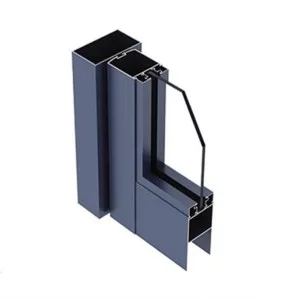
Aluminium extrusion profile for doors and windows is a kind of door and window frame decoration building material made of aluminum alloy as raw material. Its advantages are…
Read More
5083 aluminium alloy is an aluminium alloy with magnesium and traces of manganese and chromium. It is highly resistant to attack by seawater and industrial chemicals. Alloy 5083 retains exceptional st…
Read MoreProfile selection
Compare round profiles by section shape, outside diameter, wall thickness where applicable, alloy and temper, finish, and any dimensions that mate with other parts. A drawing is the clearest way to distinguish a standard tube from a custom extrusion.
| Criterion | What To Check | Why It Matters | Buyer Tip |
|---|---|---|---|
| Solid rod, hollow tube or custom round section | Compare a cross-section drawing and confirm the bore, wall thickness or internal features. | The same outside diameter can describe very different weight, stiffness and assembly fit. | Ask suppliers to quote from your cross-section drawing, not the outside diameter alone. |
| Diameter, straightness and cut-length tolerances | Mark the critical dimensions and tolerances on a drawing and ask how they will be checked. | A profile can meet its nominal size but still bind in a mating part or leave too little material for machining. | Which dimensions control the fit, and can the proposed tolerances be held after cutting? |
| Alloy and temper | State the required alloy and temper, or describe the intended machining, bending and load conditions. | The choice affects strength, formability, machining and surface finish. | Ask the manufacturer to confirm the specified alloy and temper before approving a sample. |
| Surface and finishing allowance | Specify whether the profile will be used as extruded, machined or given a decorative finish. | Handling marks and extrusion lines matter more on visible parts than on concealed components; finishing may also affect fit. | Request a representative surface sample if appearance is important. |
| Die and production arrangements | For a custom section, confirm die ownership, sample approval and whether the quoted supplier operates the extrusion factory. | Tooling and production arrangements affect revisions and repeat orders, particularly when comparing suppliers in China. | Who holds the die, and what drawing revision will the factory use for production? |
A standard round tube can be a simpler choice when its outside diameter and wall thickness suit the design. A custom extrusion makes more sense if the section needs grooves, ribs or a specific internal shape, but it may require dedicated tooling. Check the profile drawing before comparing quotes: two suppliers may price different sections under the same description of “round aluminum profile.”
Start with the job the profile must do. A visible handle may put finish and surface consistency first; a sleeve that fits another component depends more heavily on mating dimensions and tolerances. Identify which dimensions are critical rather than applying tight tolerances to the whole section without a reason.
Specify the alloy and temper your design requires, or describe the forming, machining and service conditions so they can be discussed. Also state whether you need mill finish or a later surface treatment. A finish choice can change the appearance and the dimensions that matter at assembly.
For buyers comparing suppliers in China, clarify who will make the extrusion and who will manage the order. Ask a prospective manufacturer or factory to confirm whether it can produce the section, provide the requested finish and handle any cutting or machining. A trading supplier may coordinate those steps instead; what matters is having a clear responsibility for the finished part.
Send a section drawing, intended length, estimated quantity and any critical fit or finish requirements. Ask which details need confirmation before tooling or production is quoted, especially if the design is custom.
| Criteria | Importance | Description | Example Options |
|---|---|---|---|
| Bore and wall control | Critical when the profile fits around or receives another component. | Compare the required inside diameter, outside diameter and wall consistency, not just the nominal round size. | A sleeve that receives a pin needs a specified bore fit. |
| Straightness and roundness | Important for long parts, rotation and assemblies with limited clearance. | State which geometric characteristics affect assembly; a nominal diameter alone does not define them. | A long handle may need straightness checked to sit correctly in its mounts. |
| Surface condition | More important for visible parts or surfaces that mate with another component. | Decide whether an as-supplied surface is sufficient or whether finishing or machining is needed. | A visible grip may need a consistent appearance, while a bearing seat may need a machined surface. |
| Standard stock versus custom tooling | Affects the practical choice when the section has unusual internal features. | Check whether an available round section meets the design before specifying a custom die; confirm tooling terms if it does not. | A plain sleeve may use stock tube, while an internal locating feature may require a custom section. |
Related Options
For a sleeve that must fit over another part, the controlling dimensions and their tolerances matter more than appearance alone. For an exposed handle, discuss the required surface finish alongside the section and fit.


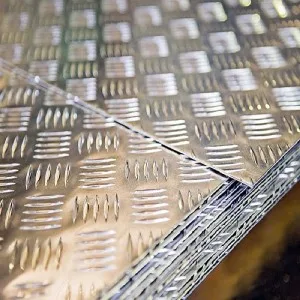



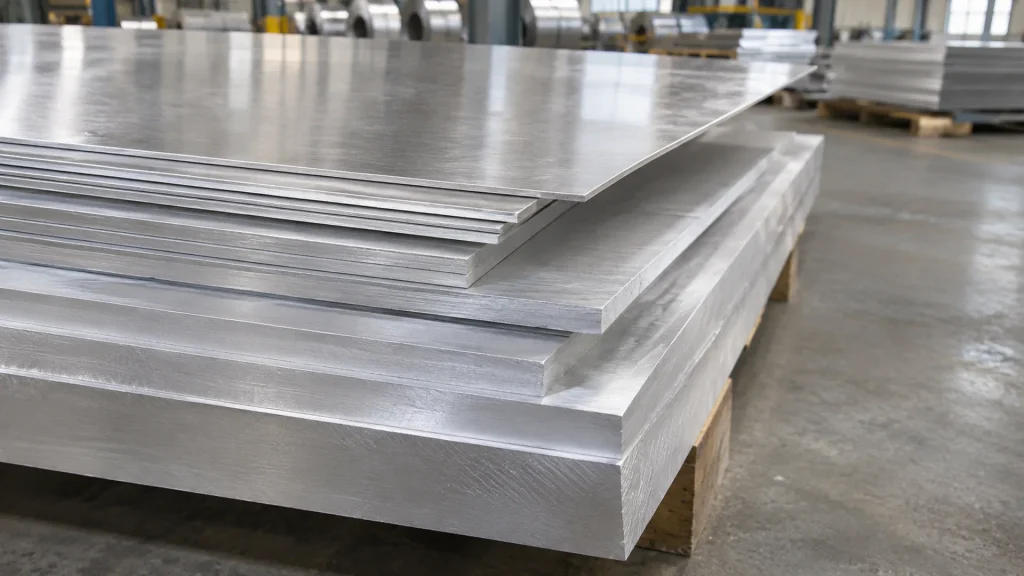
Aluminum sheet gauge numbers describe nominal thickness only when the gauge system and metal are identified. On a commonly used Brown & Sharpe (B&S) nonferrous gauge chart, 16-gauge aluminum i…
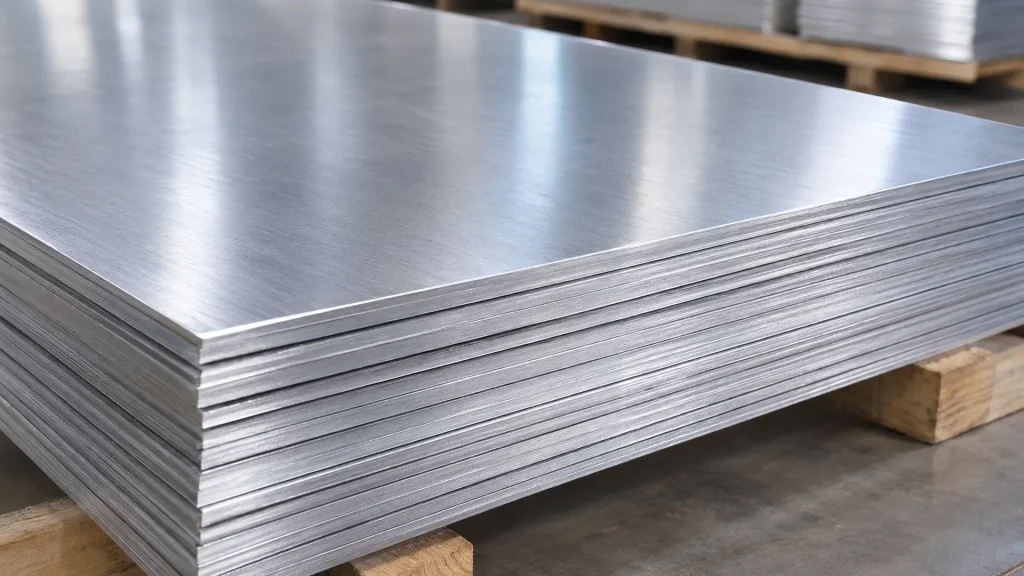
Yes, 1/8-inch (0.125-inch, 3.175-mm) aluminum sheet can be bent without cracking, but thickness alone cannot determine a safe bend radius. The alloy, temper, formed inside radius, bend-line orientatio…
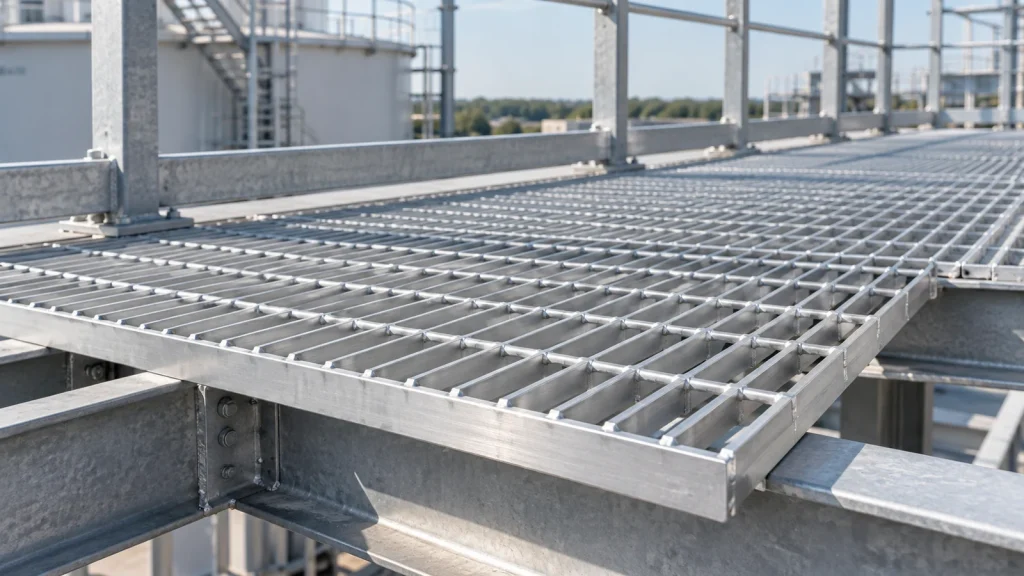
An aluminum bar grating load table is useful only when its product configuration, span, loading pattern and design assumptions match the panel being considered. Check the required load and the corresp…

Perforated aluminum sheet can provide a ventilation path, but open-area percentage is not an airflow or pressure-drop rating. Begin with the hole pattern, calculate the openings available after solid …

When sourcing from an aluminum coil manufacturer in China, B2B buyers need more than a product name or a basic quotation request. A reliable procurement specification should connect the aluminum coil …

When buyers search for a reflective aluminum sheet manufacturer, the key challenge is usually not finding a supplier website. The more important question is whether the supplier can provide a product …
Do not assume an as-extruded profile has the straightness, diameter control or surface condition a rotating shaft needs. Specify the shaft’s fit and operating requirements, then ask whether secondary machining or another form of stock is more appropriate.
Consider drawn tube if the application calls for tighter control of the bore, outside diameter or wall consistency than an available extrusion can provide. Compare the required tolerances and available sizes rather than assuming one process is always the better choice.
No. The inside diameter or wall thickness also affects fit, weight and how the part can be fastened. If a component fits inside the tube, identify the bore as a critical dimension.
Ask the manufacturer to confirm the drawing revision, which dimensions it can hold, and how a first sample will be approved. Clarify any tooling charge and who retains the tooling before committing to production.
That depends on the mating dimensions and the finish process. Tell the supplier which surfaces must fit other parts, and confirm whether those dimensions are checked before or after finishing.
Send your section drawing or required outside diameter and wall thickness, the intended use, and the quantity you expect to order. SUZHOU TOP METAL MATERIALS CO.,LIMITED can then confirm whether the requested profile and finish are available.