Scratched Aluminum Baking Sheets: China Manufacturer Considerations | SUZHOU TOP METAL MATERIALS CO.,LIMITED

Scratched Aluminum Baking Sheets: China Manufacturer Considerations

A scratched aluminum baking sheet does not always need replacing. The decision depends on what was scratched: bare aluminum, a nonstick coating, or a surface that now has a raised edge or rough groove.

Related Products

Finished baking sheet or aluminum sheet stock?

Compare surfaces and construction

Compare finished sheets and sheet stock by surface, dimensions, rim or edge design, and how the material will be cleaned after baking.

Criterion What To Check Why It Matters Buyer Tip
Scratch depth and location Feel for raised burrs and inspect scratches where food touches the sheet. Shallow marks differ from gouges that can trap residue or catch a cleaning cloth. Is the surface merely marked, or is metal displaced around the scratch?
Bare aluminum or coated surface Identify the surface finish and look for peeling or flaking around each scratch. Damage to a coating calls for a different decision than cosmetic marks on bare aluminum. Ask the manufacturer to identify the finish before deciding whether a scratched sheet remains suitable.
Intended food contact Confirm whether food will touch the sheet directly or sit on parchment or a separate tray. The contact method affects which surface condition and material documentation a buyer needs. For a new order from suppliers in China, ask what material and surface information they can provide for the intended use.
Flatness after use Place the cool sheet on a level surface and look for rocking or a distorted rim. Warping can make the sheet unstable even if its scratches are minor. If replacing it, tell the factory how the sheet will be supported and heated, and ask which thickness and forming options are available.
Cleaning condition Inspect worn areas after normal washing for residue that remains in scratches or seams. A surface that cannot be cleaned reliably may be unsuitable for continued food use. Can the sheet be cleaned without abrasive methods that create further damage?

Deciding when to replace a scratched sheet

Light marks on bare aluminum are mainly a cleaning and handling issue. A deep gouge can trap residue or leave a sharp burr; a damaged nonstick coating is a different problem because the coating may continue to lift. Check the baking surface and edges before ordering a replacement, and follow the sheet maker’s care guidance if a coating is involved.

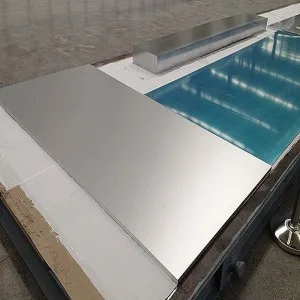
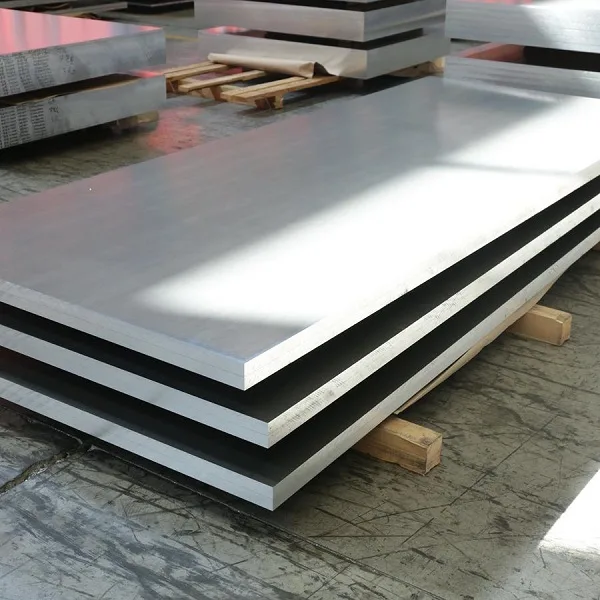
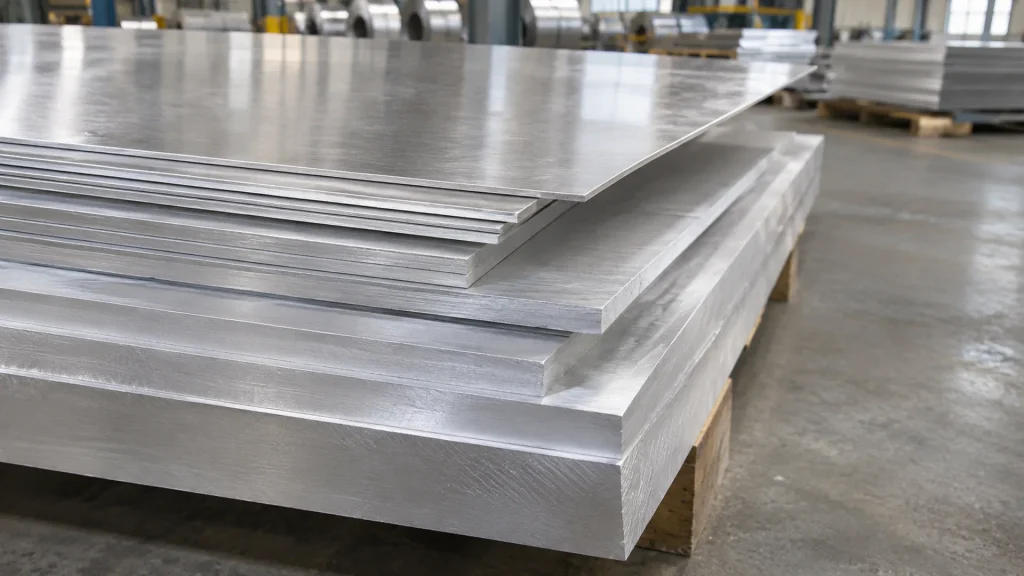
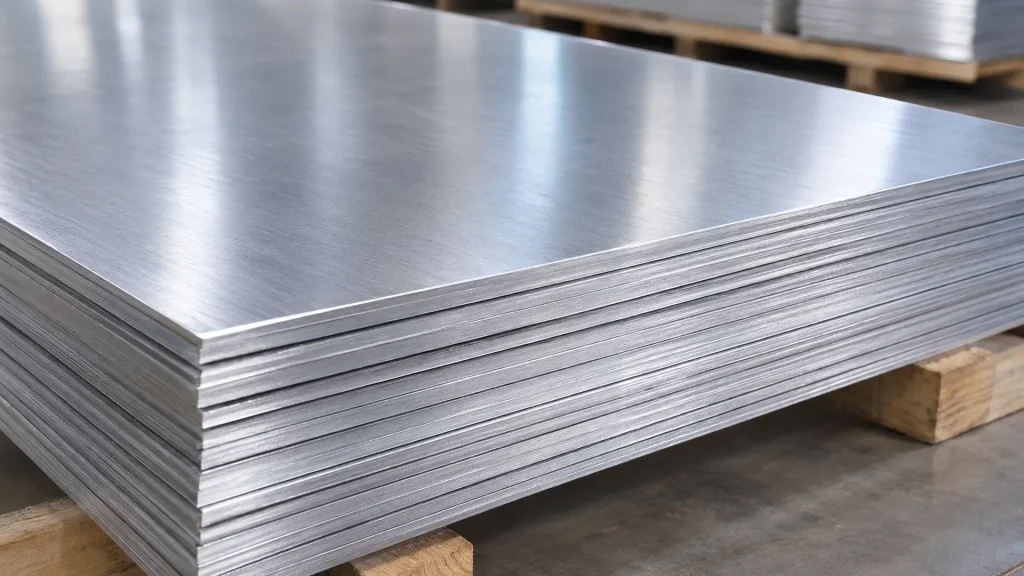
For a replacement, decide first whether you need a finished baking sheet or aluminum sheet stock for making one. Sheet stock still needs forming and edge finishing; it is not interchangeable with a ready-to-use pan.

Match the construction to the job. A rimmed sheet contains juices and is easier to handle, while a flat sheet suits tasks where food needs to slide off freely. Thickness and forming also affect how a sheet holds its shape in repeated use, so do not select by overall dimensions alone.

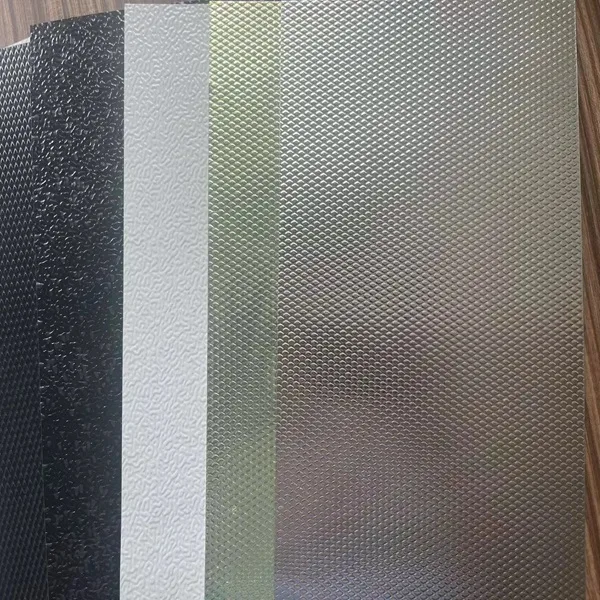
Specify the contact surface rather than asking only for a “scratch-resistant” sheet. Bare aluminum will show marks from utensils and cleaning; a coated surface has its own care and wear considerations. Ask what finish is offered and what cleaning methods it is intended to tolerate.

If you are contacting suppliers in China, send the intended use, finished size or stock dimensions, and required surface. Ask whether the contact is a manufacturer of finished baking sheets or a factory supplying aluminum sheet, and confirm what forming, edge finishing and surface options are actually available.

Criteria Importance Description Example Options
Light marks versus deep damage Determines whether continued use is practical or replacement is the better choice. Compare how easily the surface cleans and whether grooves, burrs or lifting coating remain. A shallow scuff on bare metal is different from a groove that retains baked-on residue.
Bare aluminum versus coated surface Changes the care requirements and how wear should be assessed. Bare metal can show utensil marks; a coating introduces questions about peeling, cleaning methods and the finished sheet maker’s guidance. A buyer who uses metal utensils may prefer to assess bare and coated options separately.
Finished sheet versus sheet stock Prevents ordering material that still needs fabrication. A finished sheet includes its usable shape and edges; stock requires separate decisions about forming and finishing. A bakery replacing pans needs finished sheets, while a pan maker may purchase stock for fabrication.
Dimensions and finished shape Affects fit, handling and the tasks the sheet can perform. Check usable baking area, rim design and fit with existing ovens or racks rather than comparing nominal size alone. A rimmed sheet suits foods that release juices; a flat sheet can make baked goods easier to slide off.
Surface and thickness tolerances Especially relevant when purchasing stock for repeat fabrication. Agree on acceptable variation and surface condition before production so the material can be formed and finished as intended. A pan maker may request a sample to check forming and the appearance of the finished baking surface.

Blog Articles / Reviews

Frequently Asked Questions

Can I keep using a bare aluminum sheet with fine utensil marks?

Fine marks alone do not necessarily make a bare aluminum sheet unusable. Check that the surface still cleans thoroughly and that no rough edges or deep grooves catch food or cleaning cloths.

Will parchment solve a scratched-surface problem?

Parchment can keep food off a worn surface during some baking tasks, but it does not repair a damaged coating or make a rough, hard-to-clean sheet smooth again. Follow the parchment maker’s temperature guidance and replace the sheet if its condition prevents proper cleaning.

Does a scratch on a coated sheet mean the aluminum underneath is damaged?

Not necessarily. A scratch may affect only the coating, but exposed metal, peeling coating and a deep groove call for different decisions. Identify the surface type and follow the finished sheet manufacturer’s care guidance rather than treating every mark as the same defect.

What should I check if replacement sheets warp during baking?

Compare the finished construction, not just the outside dimensions: rim design, material thickness and flatness all affect how a sheet handles heating and cooling. Ask the manufacturer how the proposed sheet is intended to be used and whether a sample can be checked in your normal baking process.

What should I confirm before ordering aluminum sheet stock for baking equipment?

Confirm the alloy, temper, thickness tolerance, surface condition and whether the proposed material is suitable for the intended food-contact application. Also establish who will form and finish the edges; a cut piece of stock is not a finished baking sheet.

Leave Your Message

Tell SUZHOU TOP METAL MATERIALS CO.,LIMITED whether you need a finished baking sheet or sheet stock, the dimensions, and the surface you require.