An abrasive cut-off wheel and a nonferrous-rated circular saw blade are not interchangeable. A cut-off wheel wears as it cuts and may suit short cuts or occasional work; a suitable saw blade may be a better choice for repeated straight cuts where edge consistency matters. In either case, the cutting product must be approved for the machine and for aluminum. A wheel intended only for steel is not a safe substitute simply because it fits.
Confirm the tool type before comparing products. Wheel diameter, arbor fit and speed rating must match the equipment, and the product must be rated for the intended cutting method. Do not choose by diameter alone.
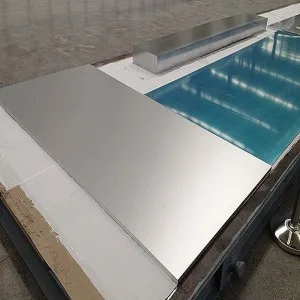
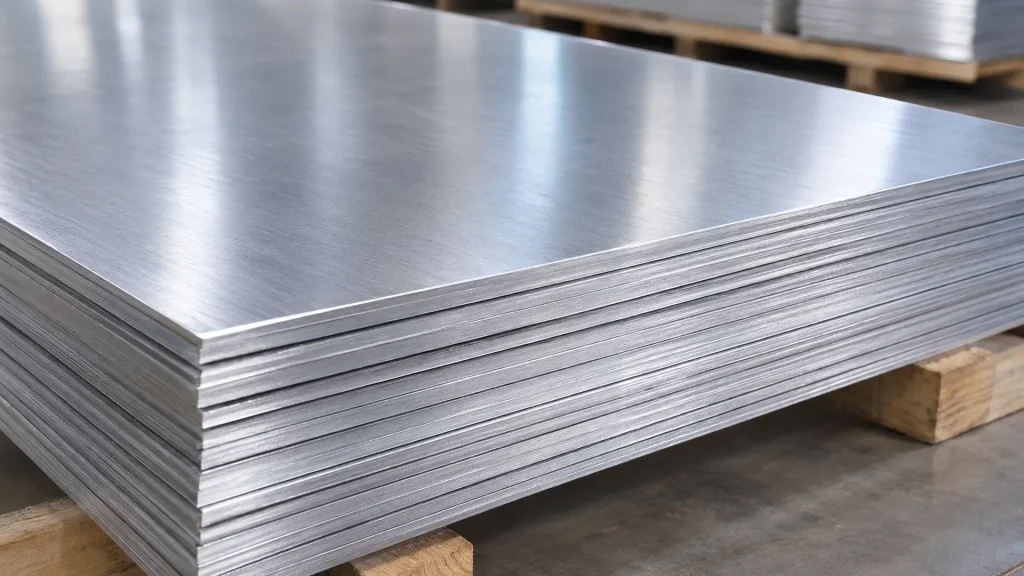
Describe the sheet, not just its gauge. Give its thickness and, if known, alloy and temper. A thin decorative panel, a thicker fabrication blank and coated sheet can have different priorities for edge finish, heat marks and surface protection.
Match the cut to the job. Short trim cuts, long straight cuts and batches of repeated parts place different demands on cut consistency and wheel life. If the cut edge will remain visible or the part will be bent afterward, say so; edge quality may matter more than cutting speed.
For a China sourcing inquiry, ask the manufacturer or suppliers to identify the product’s aluminum-cutting suitability and its machine compatibility. If buying for factory use, include the equipment model, sheet details and expected cut pattern so the proposed product can be checked against the actual process.