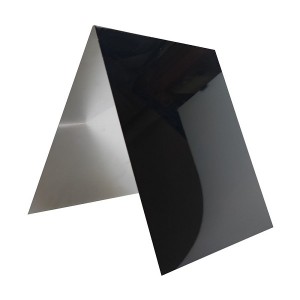
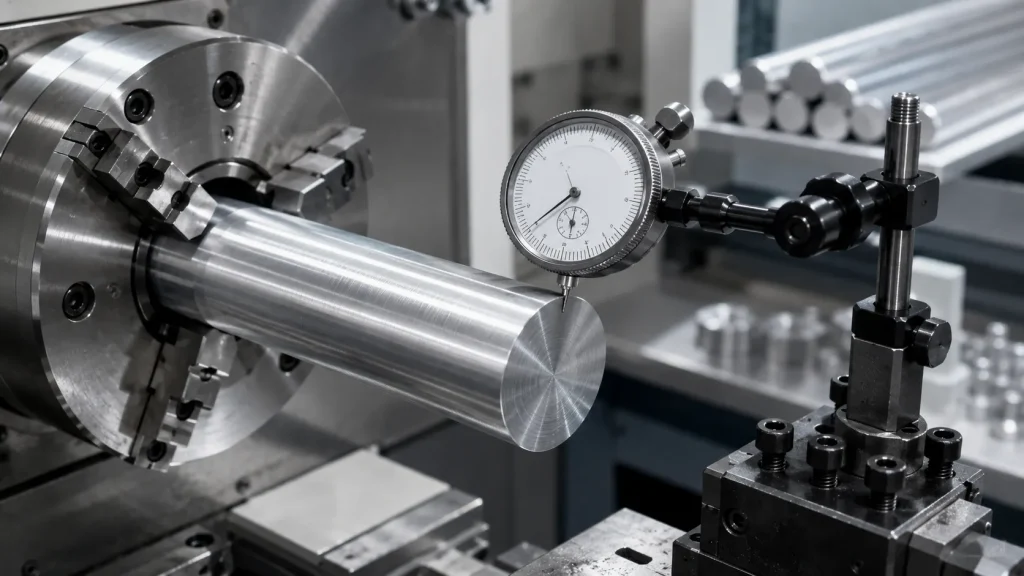
Stainless steel sheet metal and aluminum sheet metal should be compared by strength needs, weight limits, corrosion requirements, surface expectations, processing method, and cost structure for the intended application.
For B2B sourcing, the best supplier discussion starts with drawings, grade or alloy preferences, thickness, finish, tolerance needs, inspection points, sample requirements, and delivery expectations so the quotation can be specific.
Begin by confirming the product function. Stainless steel may be reviewed when durability, surface hardness, or corrosion resistance is important, while aluminum may be reviewed when lower weight and easier handling are priorities. The final choice should match the product design, use environment, and processing route.
Prepare RFQ details before contacting suppliers. Include material grade or alloy, thickness, dimensions, finish, edge requirements, forming or cutting needs, drawings, expected quantity, packaging preferences, and destination. If you are still comparing options, state which details are fixed and which can be adjusted.
For quality review, ask how incoming materials, dimensional checks, surface inspection, and packing checks are documented. A product development team may also request sample confirmation, photos, inspection records, or other agreed documents before moving to larger orders.
When comparing supplier responses, look beyond the unit price. Review whether the supplier understands the application, asks relevant technical questions, explains available options, and can support after-sales communication if specifications, packaging, or repeat-order details need clarification.