

Thick Aluminum Sheet
The next finer classification is the aluminium sheet standard sizes. Standard aluminium sheet sizes include aluminium sheet metal thickness, width and length. When ordering aluminum alloy sheet, custo…
Read MoreSourcing Standard-Thickness Aluminum Sheet Metal in China: Manufacturer, Factory and Supplier Guide | SUZHOU TOP METAL MATERIALS CO.,LIMITED
Prepare your RFQ with a clear view of China Standard-Thickness Aluminum Sheet Metal Manufacturer, Factory & Suppliers for export-focused purchasing. This page helps factory buying teams organize thickness needs, application details, sample questions, and related product options before contacting a supplier.
Use it to compare practical fit, not just product names. Installation conditions, usage requirements, packaging expectations, and after-sales questions can all affect whether standard-thickness aluminum sheet metal matches your order plan.
The next finer classification is the aluminium sheet standard sizes. Standard aluminium sheet sizes include aluminium sheet metal thickness, width and length. When ordering aluminum alloy sheet, custo…
Read More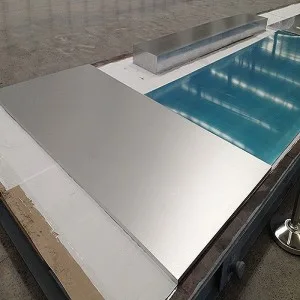
7075 aluminum alloy (AA7075) is an aluminum alloy with zinc as the primary alloying element. It has excellent mechanical properties and exhibits good ductility, high strength, toughness, and good resi…
Read More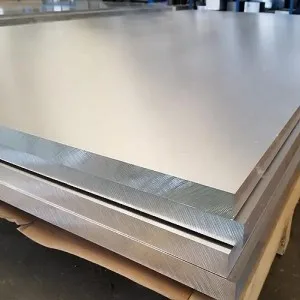
Aluminium / Aluminum alloys have high ductility and corrosionresistance,Aluminum 2618 alloy is an age hardenable alloy containing magnesium and copper. Aluminum 2618 is a highly ductile alloy featurin…
Read More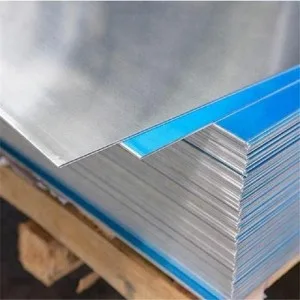
1060 aluminum sheet is another representative product in 1000 series aluminum alloys. 1060 aluminum alloy is formed by pure aluminum added by a small amount of copper element, which has excellent form…
Read More
3003 Aluminum Sheet Features ♦ Alloy: 3003 ♦ Temper: H14, H16, H18, H22, H24, H26, O ♦ Thickness(mm):0.25-10 ♦ Width(mm):800-2200 ♦ This series aluminum sheet is anticorrosive and its production techn…
Read More
Mirror Finish Alloy Metal Anodized Aluminum Plate Sheet is widely used in lighting reflectors and lamp decorations, solar heat collection reflective materials, interior architectural decoration, exter…
Read MoreStandard-Thickness Aluminum Sheet Metal Product Guide
The related product list helps you compare China Standard-Thickness Aluminum Sheet Metal Manufacturer, Factory & Suppliers by actual product direction rather than keyword wording alone. Check whether each product supports export order preparation, then use the table below to prepare a clearer RFQ.
| Criterion | What To Check | Why It Matters | Buyer Tip |
|---|---|---|---|
| Thickness range | Match standard sheet gauges | Avoid fit issues in installation | List required mm in RFQ |
| Application fit | State bending, cutting, or panel use | Supplier can suggest suitable sheet type | Attach drawings if available |
| Sample confirmation | Request same thickness sample | Verifies handling before export order | Confirm size and surface need |
| Quality checks | Ask for thickness tolerance method | Supports incoming inspection | Include inspection terms |
| After-sales questions | Clarify issue response process | Helps factory purchasing follow up | Record contact and lead time |
China Standard-Thickness Aluminum Sheet Metal Manufacturer, Factory & Suppliers should be evaluated by thickness range, alloy or material requirement, surface condition, order quantity, packaging method, and export communication process.
For a useful inquiry, share the application, required dimensions, sample expectations, destination, and any installation or usage concerns. This helps the supplier respond with more relevant product options and technical details.
Start by confirming how the aluminum sheet metal will be used. Factory purchasing teams should list the application, working environment, required thickness, size tolerance needs, surface preference, and whether the sheet will be cut, bent, installed, or processed further.
For export order preparation, include quantity range, delivery destination, packaging expectations, labeling needs, and the approval timeline. If you are comparing related products, ask the supplier to explain differences in thickness, finish, handling, and application suitability.
Before placing a larger order, organize sample confirmation questions. Ask what sample size can be provided, what technical details can be checked, and how consistency will be reviewed between sample approval and batch supply.
When reviewing supplier replies, look for clear answers about quality checks, installation or usage notes, packaging protection, and after-sales support. A practical response should help you reduce uncertainty before confirming specifications and price.
| Criteria | Importance | Description | Example Options |
|---|---|---|---|
| Thickness tolerance | High | Controls fit and processing consistency. | State nominal thickness and tolerance. |
| Alloy and temper | High | Affects forming, strength, and use. | Match grade to application. |
| Surface condition | Medium | Impacts appearance and handling. | Mill finish or coated surface. |
| Product form | Medium | Sheet, plate, or coil changes processing. | Choose sheet for cut panels. |
| After-sales support | Medium | Helps resolve usage questions. | Clarify technical contact method. |
Recommended Products
Top product matches should be reviewed by fit, specification clarity, customization readiness, and how well they support RFQ preparation. Use these factors to shortlist practical options before contacting the supplier.
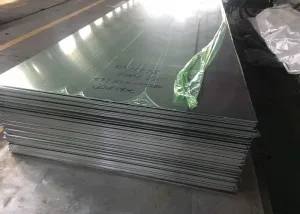






Aluminum sheet flatness should be specified before purchase, especially when the material will be laser cut, punched, bent, machined, laminated, or used as a visible panel. This matters to sheet-metal…

When anodized sheet is better than mill finish aluminum

Is Your Aluminum Bar Causing CNC Turning Runout? Aluminum bar may contribute to CNC turning runout when it is bent, out of round, inconsistent in diameter, damaged near the clamping area, or deformed …

How to compare 5052, 5083, 6061 and 7075 aluminum
Recent buyer feedback can help you think through export order needs, sample questions, application details, and related product shortlisting before contacting a supplier.
I used the standard aluminum sheet metal thickness tag to separate gauge questions from alloy questions before sending our drawing notes to suppliers.
I found the standard aluminum sheet metal thickness page useful when checking whether our requested sheet gauges matched the fabrication notes from engineering.
I referred to this standard aluminum sheet metal thickness tag while rewriting our RFQ so thickness, tolerance expectations, and application use were clearer.
I used the standard aluminum sheet metal thickness content to frame practical questions before comparing sheet options for our enclosure panel requirements.
List the required nominal thickness, acceptable tolerance, alloy, temper, surface condition, and end-use environment in the RFQ. This helps SUZHOU TOP METAL MATERIALS CO.,LIMITED review whether standard aluminum sheet metal thickness options match installation needs.
Compare aluminum sheet, aluminum plate, coil, tread plate, and coated sheet if the application involves forming, paneling, cutting, or surface exposure. Product form affects packaging, processing route, and suitability for the buyer’s downstream equipment.
Yes. A sample review can help confirm thickness feel, surface appearance, flatness expectations, cutting behavior, and application fit. Buyers should provide target dimensions and inspection points so the sample discussion matches actual production use.
Key details include alloy grade, temper, thickness, width, length, surface finish, protective film needs, forming method, fastening method, and operating environment. These details help suppliers identify whether standard sheet metal is suitable or needs adjustment.
Discuss thickness measurement method, dimensional checks, surface inspection, flatness review, edge condition, marking requirements, and packing protection. The purchasing team should align inspection points with its own receiving standards and downstream installation requirements.
Ask how technical questions, document clarification, product identification, and application feedback are handled after receipt. Buyers should also confirm the contact process for discussing thickness concerns, surface observations, or mismatch issues found during use.
Send your thickness, size, application, quantity, destination, and sample requirements so the supplier can review your RFQ more accurately.