

Thick Aluminum Sheet
The next finer classification is the aluminium sheet standard sizes. Standard aluminium sheet sizes include aluminium sheet metal thickness, width and length. When ordering aluminum alloy sheet, custo…
Read MoreStandard Industrial Aluminum Sheet Sizes in China: Manufacturer, Factory and Supplier Guide | SUZHOU TOP METAL MATERIALS CO.,LIMITED
Use this page to evaluate China Standard Industrial Aluminum Sheet Sizes Manufacturer, Factory & Suppliers from the perspective of supplier shortlist review. It brings together related products, practical selection checks, and buyer questions so your inquiry can be more specific from the beginning.
For a import distributor, the most useful starting point is packing method and export handling. Review the product matches, comparison notes, FAQs, and recent buyer-style feedback before sending final requirements.
The next finer classification is the aluminium sheet standard sizes. Standard aluminium sheet sizes include aluminium sheet metal thickness, width and length. When ordering aluminum alloy sheet, custo…
Read More
A stucco embossed finish is designed to have superior durability, reduce glare and reflectivity, and also to give aluminum a decorative finish. The stucco aluminum sheet is also a finish that can stan…
Read More
5083 aluminium alloy is an aluminium alloy with magnesium and traces of manganese and chromium. It is highly resistant to attack by seawater and industrial chemicals. Alloy 5083 retains exceptional st…
Read More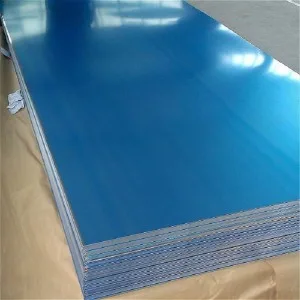
Aluminium 1080A, with the European designation EN AW-1080A is a ‘commercially pure’ alloy, minimum 99.8% Al, available as round bar or wire For the 1080 industrial pure aluminum, with high plast…
Read More
5052 is an aluminium alloy, primarily alloyed with magnesium and chromium 5052 aluminum is the highest strength alloy of the more non-heat-treatable grades. Its resistance to fatigue is better than mo…
Read More
High glossy reflective Specular bright alloy 1085 anodized aluminum mirror finish sheet 1085 aluminium bright mirror sheet coil 1085 H24, H18, H19 Thickness: 0.3-1.0mm Width: 250mm-1500mm Surface: Bri…
Read MoreProduct Guide
The related product list helps you compare China Standard Industrial Aluminum Sheet Sizes Manufacturer, Factory & Suppliers by actual product direction rather than keyword wording alone. Check whether each product supports supplier shortlist review, then use the table below to prepare a clearer RFQ.
| Criterion | What To Check | Why It Matters | Buyer Tip |
|---|---|---|---|
| Size range | List standard sheets needed | Avoids RFQ mismatch | Share thickness, width, length |
| Customization | Confirm cut-to-size options | Supports project planning | Attach drawings if available |
| Packing method | Ask export packing details | Reduces transit risk | Request photos before shipment |
| Sample review | Confirm sample size and lead time | Verifies specs early | Approve sample before bulk order |
| Supplier comparison | Compare specs, MOQ, handling | Shortlists suitable factories | Use one RFQ template |
China Standard Industrial Aluminum Sheet Sizes Manufacturer, Factory & Suppliers are best evaluated by size capability, material options, tolerance communication, packing details, and export documentation support.
For a practical sourcing decision, compare how each supplier responds to drawings, sample requests, inspection questions, and packaging requirements before moving to price negotiation.
Start by listing the aluminum sheet sizes you need, including length, width, thickness, alloy preference, surface finish, and any cutting or protective film requirements. If your customer is still finalizing the project, share the intended application so the supplier can confirm whether a standard size or customized size is more suitable.
For import distributors, packing method should be reviewed early. Ask how sheets are separated, protected, bundled, labeled, and prepared for container loading. Clear packing information helps reduce handling damage risk and makes it easier to compare suppliers beyond unit price.
Before confirming a sample or trial order, request the technical details that matter to your market, such as grade reference, size tolerance, surface condition, inspection process, and available documentation. If you are comparing related products, ask the supplier to explain the difference between common sheet, plate, coil, or processed sheet options.
When preparing an RFQ, include quantity range, destination port, preferred delivery schedule, packaging expectations, and after-sales contact process. A useful supplier reply should address your application fit, sample confirmation steps, quality checks, and export handling instead of only sending a general quotation.
| Criteria | Importance | Description | Example Options |
|---|---|---|---|
| Size format | High | Affects cutting loss and resale planning | 1000x2000 mm or custom cut |
| Alloy and temper | High | Defines forming and strength suitability | 5052 H32, 3003 H14 |
| Packing method | High | Supports export handling and damage control | Pallet, film, edge protection |
| Specification clarity | Medium | Reduces RFQ revision risk | Tolerance, finish, edge notes |
| Supplier comparison | Medium | Helps shortlist practical options | Catalog sizes versus project needs |
Recommended Products
Top product matches should be reviewed by fit, specification clarity, customization readiness, and how well they support customization planning. Use these factors to shortlist practical options before contacting the supplier.







Aluminum sheet flatness should be specified before purchase, especially when the material will be laser cut, punched, bent, machined, laminated, or used as a visible panel. This matters to sheet-metal…

When anodized sheet is better than mill finish aluminum

Is Your Aluminum Bar Causing CNC Turning Runout? Aluminum bar may contribute to CNC turning runout when it is bent, out of round, inconsistent in diameter, damaged near the clamping area, or deformed …

How to compare 5052, 5083, 6061 and 7075 aluminum
Use buyer-style feedback to think through common sourcing situations, such as planning a custom project, checking product specifications, comparing supplier options, or preparing an RFQ.
I used this tag page to organize my request around standard industrial aluminum sheet sizes, especially thickness, width, and length ranges for fabrication planning.
I found it helpful for writing a clearer RFQ because standard industrial aluminum sheet sizes were presented as practical buyer comparison points.
I used the information to separate standard industrial aluminum sheet sizes from custom-cut requirements, which made my supplier questions more specific.
I appreciated the focus on standard industrial aluminum sheet sizes because it helped me check whether our project notes matched common sourcing terminology.
Use standard industrial aluminum sheet sizes when projects can adapt to common dimensions and simpler packing plans. Choose cut-to-size sheets when fabrication loss, container loading, or end-user drawings require tighter dimensional planning.
Confirm alloy, temper, thickness, width, length, surface finish, protective film needs, edge condition, and packing style. Samples should match the intended specification so later bulk discussions remain consistent and reviewable.
Key items include alloy grade, temper, thickness tolerance, flatness, surface appearance, sheet dimensions, and permitted variation. Import distributors should align these details with downstream processing, resale labeling, and packing requirements.
Request inspection points covering dimensions, surface defects, alloy and temper identification, packing integrity, and document consistency. These checks support supplier comparison without relying only on product photos or general catalog descriptions.
Clarify how specification questions, packing feedback, document corrections, and claim communication are handled after shipment. For distributors, a clear contact process helps manage customer queries and maintain traceability across repeat orders.
Review the project’s forming, cutting, surface, and packing requirements against available sheet dimensions and tolerances. If the standard size causes high scrap or handling issues, discuss customization planning before finalizing the RFQ.
Send your required sheet size, alloy or grade reference, finish, quantity, destination, packing preference, and sample request so the supplier can reply with more accurate information.