

Stucco Embossed Aluminum Sheet
A stucco embossed finish is designed to have superior durability, reduce glare and reflectivity, and also to give aluminum a decorative finish. The stucco aluminum sheet is also a finish that can stan…
Read MoreStucco Embossed Aluminum Sheet Selection Guide | SUZHOU TOP METAL MATERIALS CO.,LIMITED
Stucco embossed aluminum sheet is often chosen for insulation jacketing because its textured surface can make handling marks less noticeable than a smooth finish. The main purchase decision is not the pattern alone: the sheet also needs to suit the jacket’s shape, exposure and fastening method.
A stucco embossed finish is designed to have superior durability, reduce glare and reflectivity, and also to give aluminum a decorative finish. The stucco aluminum sheet is also a finish that can stan…
Read More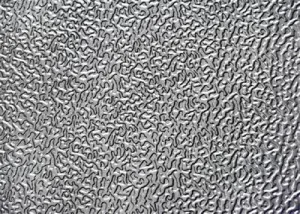
1060 3004 stucco embossed aluminum sheet coils for solar panel systems The embossed oxidized panel is beautiful, with thickness from 0.25mm to 2.0mm, while the maximum width is 1250mm, after pattern e…
Read More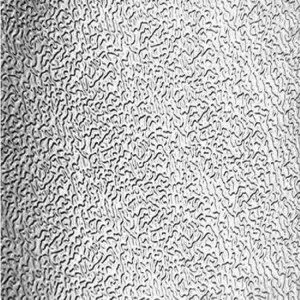
A stucco embossed finish is designed to have superior durability, reduce glare and reflectivity, and also to give aluminum a decorative finish. It is also a finish that can stand up to the elements wi…
Read More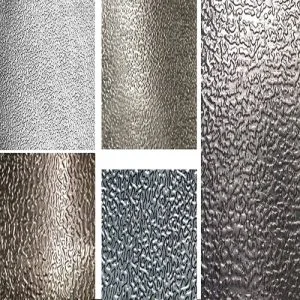
Aluminum Stucco Embossed sheet has a wide range of applications, mainly used in packaging, construction, curtain walls, etc.
Read More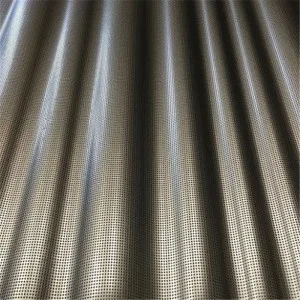
Aluminum sheet plate is widely used, including various industries in our society. Ordinary aluminum alloy plate through some simple processing, can play a more extensive role….
Read More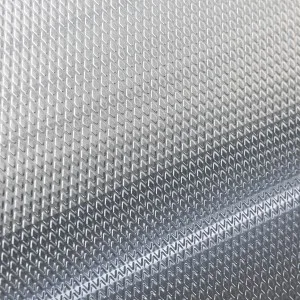
Aluminum embossed plate coils are commonly used in various industries, including automotive, construction, and signage. They are lightweight, durable, and resistant to…
Read MoreSheet selection
Compare stucco embossed sheet by alloy and temper, base-metal thickness, sheet dimensions, surface finish and how well the proposed material suits the required forming.
| Criterion | What To Check | Why It Matters | Buyer Tip |
|---|---|---|---|
| Emboss pattern and appearance | Compare a physical sample with the finish required for the job. | Texture changes how the sheet looks and can make minor handling marks less noticeable. | Can you provide a sample of the proposed stucco finish? |
| Base-metal thickness | Confirm that the stated thickness refers to the aluminum sheet, not the height across the embossed peaks. | Embossing changes the surface profile, so an unclear thickness figure can lead to the wrong material choice. | How is thickness specified and measured after embossing? |
| Alloy and temper | Match the proposed alloy and temper to the required forming and service conditions. | A sheet that is harder to form may be unsuitable for tight bends or curved insulation jacketing. | What alloy and temper do you propose for these bends? |
| Sheet size and joint layout | Compare available widths and lengths with the cutting plan and required overlaps. | Sheet dimensions affect waste and the number of joints on the finished covering. | Which sizes fit the planned cut pieces with the fewest joints? |
| Finish for the exposure | Confirm whether bare aluminum or a specified coating is appropriate for the installation environment. | A stucco texture changes the surface appearance; it does not replace a coating where one is needed. | Will the sheet face outdoor weather, chemicals or frequent cleaning? |
Embossing changes the surface texture; it does not replace the insulation beneath the jacket or seal its joints. For equipment that will be wrapped around curves, ask how the proposed alloy, temper and thickness will form without unwanted creasing. For exposed jacketing, also check whether a bare or coated surface is appropriate for the service environment.
Start with the application. Pipe and vessel jacketing, equipment covers and decorative panels place different demands on a sheet. A finish that looks suitable on a flat sample may show distortion after forming, so describe the intended bends and visible surfaces.
Specify thickness carefully. A heavier sheet may resist handling damage better but can be harder to form; a lighter sheet may follow curves more readily. Confirm whether the quoted thickness refers to the base metal or a measurement across the embossed surface so offers can be compared on the same basis.
Agree on the pattern and appearance before ordering. “Stucco embossed” can describe visibly different textures, and a smooth sample will not show how the finished surface looks. If appearance matters across multiple panels, request a representative embossed sample and agree on acceptable variation.
For insulation jacketing, do not treat the texture as a substitute for sound joint design. Confirm how sheets will overlap and be fastened in the finished assembly. Then ask for a proposal based on the application, required sheet dimensions, expected forming and service exposure.
| Criteria | Importance | Description | Example Options |
|---|---|---|---|
| Embossed versus smooth surface | Matters most when visible handling marks or a uniform appearance will affect acceptance. | Stucco texture can make minor marks less conspicuous; smooth sheet gives a more uniform surface. | Compare finished samples for a visible equipment cover. |
| Alloy and temper | Important when the sheet must follow curves or hold a formed shape. | The metal condition affects forming behavior; the surface pattern alone does not establish whether a sheet suits a bend. | Describe a curved pipe jacket rather than requesting an embossed finish alone. |
| Base-metal thickness | Important for comparing offers and balancing handling resistance with formability. | Confirm that quoted thickness refers to the metal, not a measurement taken across the raised texture. | Request the same base-metal thickness basis from each proposed option. |
| Bare versus coated finish | Important when exposure or visible appearance affects the choice. | Select the surface finish for the service environment and check its suitability for subsequent forming. | For an exposed jacket, ask about the proposed finish before approving a sample. |
| Sheet size and joint layout | Important when panel dimensions determine the number and position of seams. | Choose dimensions with the intended overlap and fastening arrangement in mind; embossing does not seal a joint. | Map the sheet layout around a vessel before settling on cut sizes. |
Related Options
For curved insulation jacketing, prioritize a sheet that can be formed to the equipment while meeting the required handling and appearance needs; the most pronounced texture is not necessarily the best fit.






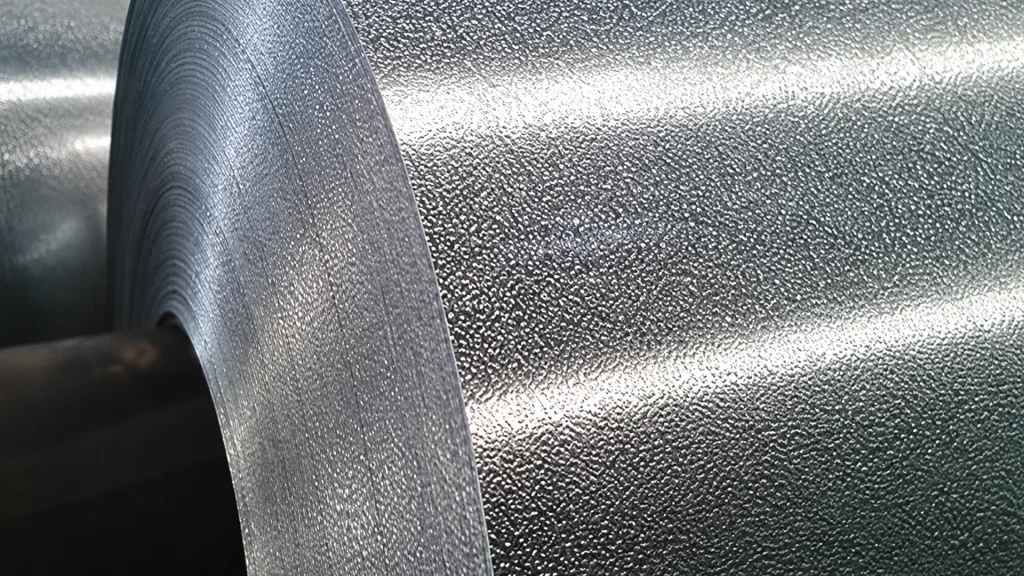
Stucco embossed aluminum sheet changes the surface appearance of insulation jacketing. Its irregular texture makes minor handling marks less conspicuous and reduces glare compared with a smooth finish…

Perforated aluminum sheet can provide a ventilation path, but open-area percentage is not an airflow or pressure-drop rating. Begin with the hole pattern, calculate the openings available after solid …

When buyers search for a reflective aluminum sheet manufacturer, the key challenge is usually not finding a supplier website. The more important question is whether the supplier can provide a product …

A request for 6061 0 aluminum sheet is a temper-specific purchasing question, not simply a request for generic 6061 sheet. That distinction matters when a buyer compares supplier quotations. TOP METAL…

5052 aluminum sheet and plate are flat-rolled aluminum-magnesium products considered for parts that need formability, corrosion resistance and moderate strength. Choosing the material means specifying…

Anodized aluminum sheet thickness can mean two different things: the thickness of the aluminum substrate and the thickness of the anodic oxide layer. They are not interchangeable. Substrate thickness …
It can be considered for outdoor jacketing, but the texture does not make the assembly watertight. Check the proposed surface finish against the exposure and specify how the jacket’s seams and penetrations will be protected.
Choose smooth sheet if a uniform, easy-to-clean surface matters more than disguising minor handling marks. Compare formed samples if the jacket has tight curves: appearance on a flat sheet may not predict appearance after fabrication.
No. The insulation beneath the metal jacket provides the thermal barrier; embossing changes the sheet’s surface texture. Do not use the pattern as a substitute for specifying the insulation or detailing the jacket joints.
A coating may be worth considering where the service environment or appearance calls for it. Ask what finishes are available for the proposed embossed sheet and whether the finish is suitable for the forming and exposure you expect.
Provide the application, sheet dimensions, required base-metal thickness, forming needs and service exposure. If appearance is important, include a texture reference and ask for an embossed sample rather than relying on the finish name alone.
Tell SUZHOU TOP METAL MATERIALS CO.,LIMITED what the sheet will cover, the dimensions and thickness you need, and whether it must be formed or used in an exposed environment.