Textured Aluminum Sheet | SUZHOU TOP METAL MATERIALS CO.,LIMITED

Textured Aluminum Sheet for Jacketing and Panels

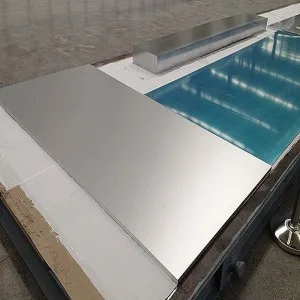
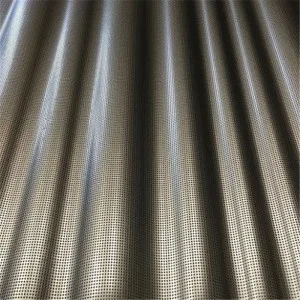
Textured aluminum sheet can give insulation jacketing a less conspicuous surface or add a visible pattern to a panel. The first decision is what the texture must do: change appearance, conceal minor handling marks, or provide a specified grip surface. Those uses call for different patterns and checks.

Related Products

Compare textures and sheet properties

Sheet selection

Compare texture depth and pattern, base-metal thickness, alloy, temper and finish against the way the sheet will be formed and used. A pattern name alone is not enough to establish fit.

Criterion What To Check Why It Matters Buyer Tip
Texture pattern and depth Compare a sample or close-up image with the intended appearance and contact surface. Stucco embossing, directional textures and raised patterns look and handle differently; a textured finish alone does not establish slip resistance. Can you provide a sample of the exact pattern proposed?
Alloy and temper Confirm the alloy and temper against the required bends, stiffness and service environment. A sheet that forms easily may not hold the same shape as a stiffer option. Will the sheet be bent around insulation, formed into panels or installed flat?
Thickness measurement Ask whether the stated thickness refers to the base metal or includes the raised texture. The distinction affects fit at joints, weight estimates and clearance. Which thickness will be used to check the drawing tolerances?
Surface finish Specify whether the textured sheet needs a mill, coated or anodized finish, and review a finish sample. Texture changes appearance, but it does not replace a finish chosen for the exposure or appearance required. What will the surface contact, and will it remain visible?
Sheet size and texture direction Compare available sheet dimensions and pattern direction with the cutting layout. A directional pattern can look inconsistent across adjacent panels, while sheet size affects seams and waste. Should every installed panel show the texture in the same direction?

Match the pattern to fabrication and use

Stucco embossing has an irregular, shallow texture often considered for jacketing and cladding. Raised tread patterns have a more pronounced profile, but their appearance alone does not establish slip resistance. If people will walk on the sheet, specify the required performance for the actual conditions rather than choosing by pattern name.

Also distinguish base-metal thickness from overall thickness at the raised points. A textured sheet may measure differently depending on where it is checked, which matters for formed edges, clearances and weight estimates.

Start with the application and exposure. Jacketing may need to form around bends and retain a consistent appearance across adjacent pieces; a decorative panel may place more emphasis on pattern uniformity and visible surface quality. For outdoor or wet service, discuss the alloy and any finish alongside the texture.

Choose alloy and temper with fabrication in mind. A sheet that bends readily may not offer the same stiffness as another option. If parts will be cut, folded or joined, share a drawing so the proposed material can be assessed against those operations.

Check which face is textured and whether pattern direction matters. For adjoining panels, an unplanned change in orientation can be conspicuous. Confirm how sheet dimensions, thickness and surface condition will be specified, particularly if a protective film or coating is needed.

Before ordering, compare a representative sample or agreed pattern description with the finished application. Ask SUZHOU TOP METAL MATERIALS CO.,LIMITED which texture, alloy, temper and finish options it can offer for your required size and fabrication method.


Criteria Importance Description Example Options
Surface profile Determines appearance and how the surface handles cleaning. Compare a shallow, irregular embossing with a more pronounced raised pattern or a smooth sheet. Pattern names alone may not convey the profile you need. A shallow texture may suit visible jacketing; a smooth surface may be simpler to wipe.
Base-metal thickness Matters for forming, fit and material estimates. Separate the underlying sheet thickness from measurements taken across raised points, and agree on the measurement basis. A folded panel with tight clearances needs a clearly defined thickness.
Alloy and temper Affects the balance between formability and stiffness. Assess the proposed metal against the bends and service conditions rather than selecting by surface pattern alone. A curved jacket and a flat panel may call for different forming priorities.
Finish and maintenance Especially relevant for exposed or frequently cleaned surfaces. Consider the intended environment and whether the texture will make routine cleaning harder. Confirm any coating or protective-film requirements separately. A panel cleaned often may favor a shallower pattern over deep recesses.

Product Selection

Related Options

For insulation jacketing, the practical priority is a texture and temper that suit forming around the equipment while giving adjoining pieces a consistent finish. Confirm the intended bend details and visible-face requirements before settling on a sheet.

Blog Articles / Reviews

6061 0 Aluminum Sheet: What Should Buyers Verify?

6061 0 Aluminum Sheet: What Should Buyers Verify?

A request for 6061 0 aluminum sheet is a temper-specific purchasing question, not simply a request for generic 6061 sheet. That distinction matters when a buyer compares supplier quotations. TOP METAL…

Frequently Asked Questions

Is textured aluminum sheet suitable for a wall panel people will see up close?

It can be, but judge it under the lighting and viewing distance of the finished installation. Ask for a representative sample to check pattern consistency and how seams between panels look.

When would a smooth sheet be the better choice?

Choose smooth sheet if easy wiping or a flat, uniform appearance matters more than concealing minor handling marks. Texture can make marks less noticeable, but its recesses may take more effort to clean.

Does embossing make an aluminum sheet stronger?

Not by itself. A raised pattern changes the surface profile, but load-bearing and forming decisions still depend on the base metal, alloy, temper, thickness and part design.

Will a textured finish prevent corrosion outdoors?

Texture is not a substitute for selecting an alloy and finish suited to the exposure. Describe the environment, including moisture and any cleaning chemicals, when asking what material options are available.

What should I send with an inquiry for formed parts?

Send a drawing showing finished dimensions, bends, visible face and any clearance-sensitive areas. State whether the specified thickness refers to the base metal or the overall height of the pattern.

Leave Your Message

Tell us the application, required sheet size and base-metal thickness, and the texture or finish you have in mind. Include a drawing if the sheet will be formed.