Uncoated Aluminum Baking Sheets | SUZHOU TOP METAL MATERIALS CO.,LIMITED

Choosing an Uncoated Aluminum Baking Sheet

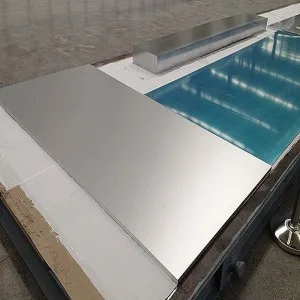
An uncoated aluminum baking sheet puts food or parchment against bare metal rather than a nonstick coating. The first purchase decision is whether you need a finished, rimmed baking pan or flat aluminum sheet to form into one. Those are different orders, even if the starting material is similar.

Related Products

Finished baking pans or sheet stock?

Selection criteria

Compare material form, alloy and temper, thickness, surface condition and edge requirements. For a finished baking sheet, add rim construction and oven fit; for sheet stock, add the forming method and finished-part requirements.

Criterion What To Check Why It Matters Buyer Tip
Bare surface and food contact Confirm the food-contact surface has no coating, anodizing or protective film left in place, and request documentation for the intended market. “Uncoated” describes the finish, not food-contact suitability. Ask what material and surface-finish documentation is available for this sheet.
Alloy, temper and thickness Request the alloy, temper and thickness tolerance rather than specifying thickness alone. These choices affect stiffness, forming and how readily a large sheet may distort in use. Share the pan size and intended load when asking which combination is suitable.
Pan shape and usable size Compare the usable flat area, outside dimensions, rim height and corner shape with your oven or rack. A pan can fit the oven but leave too little flat space for the product. Send the rack opening and the area your baked goods need.
Flatness and edge finish Agree how flatness will be checked and ask how cut edges, corners and rims are finished. A rocking pan heats unevenly, while rough edges complicate handling and cleaning. Ask for the flatness acceptance method and edge-finish description.
Cleaning and surface wear Clarify the expected cleaning method and acceptable appearance after repeated use. Bare aluminum can mark or scratch; an appearance requirement may affect the finish you choose. Tell the supplier if the sheets will be washed frequently or used with acidic ingredients.

Choose the material and surface for baking use

Bare aluminum heats readily and has no coating to wear away, but it is not a nonstick surface. Baking practices still matter: parchment can help with release, while acidic or salty foods left in contact with bare aluminum may discolor the surface or affect the food.

“Uncoated” also does not establish suitability for food contact. If the sheet will become bakeware, confirm the alloy, surface condition, and intended food-contact use before treating general-purpose sheet stock as a pan material.

Decide on the form first. A finished pan needs the right overall size, rim design and corner construction for the oven and handling method. A fabricator buying flat sheet instead needs dimensions and a material suitable for its forming process; a sheet quote does not establish that formed pans are available.

Balance stiffness against weight and forming needs. Thicker material may resist flexing, but it adds weight and can change how easily a pan is formed. Ask about alloy and temper together rather than choosing thickness alone.

Specify what the food-facing surface must be. Bare mill finish, a polished surface and anodized aluminum are not interchangeable. Clarify acceptable marks, protective film, edge condition and any cleaning requirements, especially if the sheet will be cut or formed after purchase.

For an inquiry to SUZHOU TOP METAL MATERIALS CO.,LIMITED, describe the intended baking use and ask whether it can supply finished pans or only flat sheet. Include the required form, dimensions and food-contact requirements so the proposed material can be checked against the actual application.


Criteria Importance Description Example Options
Bare aluminum versus nonstick coating Matters most when food release and surface upkeep drive the choice. Bare aluminum has no applied nonstick layer, but it may need a liner for sticky foods. A coated pan can ease release but introduces coating-specific use and care requirements. A bakery using parchment may prefer bare aluminum; one baking delicate items directly on the pan may prioritize release.
Finished pan versus flat sheet Determines what must be supplied and what fabrication remains. A finished pan needs the required shape and rim; flat stock still needs cutting and forming before it can serve as a tray. A replacement oven tray calls for a finished-pan drawing, while a tray fabricator may order sheet to its cutting dimensions.
Thickness, stiffness and weight Important for handling and resistance to flexing. More thickness can increase stiffness and weight; alloy and temper also affect how the material behaves when formed. A large tray handled while loaded may call for a different stiffness assessment than a small tray used on a supporting rack.
Surface condition Critical when the metal will face food directly. Specify the intended finish and what marks or residues are acceptable. Do not assume that an uncoated industrial sheet is ready for food-contact use. A buyer using no liner should clarify food-contact suitability and the condition of the food-facing surface.
Oven and equipment fit Essential for replacement trays and repeat orders. Overall dimensions, rim shape and tolerances can determine whether a pan fits racks or handling equipment. Two trays with the same baking area may differ in outside width because their rims are formed differently.

Product Selection

Related Options

For a bakery replacing oven trays, pan fit and resistance to flexing may matter more than the appearance of the raw metal. For a manufacturer forming its own trays, consistent sheet dimensions and a suitable temper become the more useful starting points.

Blog Articles / Reviews

6061 0 Aluminum Sheet: What Should Buyers Verify?

6061 0 Aluminum Sheet: What Should Buyers Verify?

A request for 6061 0 aluminum sheet is a temper-specific purchasing question, not simply a request for generic 6061 sheet. That distinction matters when a buyer compares supplier quotations. TOP METAL…

Frequently Asked Questions

Is bare aluminum suitable for cookies and pastries?

It can work well for cookies and other baked goods that release readily. For sticky doughs or pastries, plan on parchment or another suitable liner rather than expecting the bare metal to act like a nonstick coating.

What do I give up by choosing uncoated aluminum instead of a nonstick pan?

You avoid relying on a coating that can wear, but food may stick more readily and the metal can show stains or discoloration. A nonstick pan may make release easier; check the coating’s care and use instructions if that is the priority.

Does “uncoated” mean the sheet has no surface treatment?

Not necessarily. Ask whether the food-facing surface is bare mill-finish aluminum, polished, anodized or otherwise treated; those descriptions should not be used interchangeably.

How should an uncoated baking sheet be cleaned?

Wash it according to the supplier’s care instructions and avoid assuming every cleaner is suitable for bare aluminum. Some cleaning methods can dull or discolor the surface, even when the pan remains usable.

What measurements matter when replacing an existing oven tray?

Provide the tray’s outside dimensions and check clearance at the rim, not just the size of its flat baking area. If it must fit rails, racks or a handling system, include the relevant fit dimensions and acceptable tolerances.

Leave Your Message

Tell us whether you need finished pans or flat sheet, the required dimensions, and how the food-facing surface will be used.