Alloy and temper affect what the sheet can do after cutting. A formable sheet may suit bends and shallow shaping, while a stronger temper can resist deformation but be less forgiving at tight bends. For an exposed panel, surface appearance and flatness may matter as much as strength.
Do not substitute a 20 gauge steel thickness or rely on the gauge label alone. Confirm the finished thickness and its tolerance against the drawing, especially where the sheet fits a slot, folds around another part or must stay flat.
Start with the part’s main operation. Describe any bending, stamping or machining and identify areas where cracking or visible marks would be unacceptable. If you already have an approved alloy and temper, keep them on the inquiry rather than replacing them with a generic request for aluminum sheet.
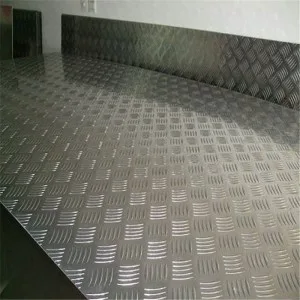
Match the surface to the application. A concealed component may not need the same appearance controls as a visible panel. For exposed parts, clarify the finish, which side is visible and whether protective film is needed; otherwise, two suitable sheets may arrive with noticeably different surfaces.
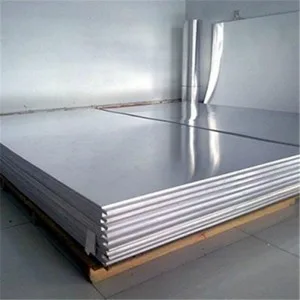
Check the supplied format as well as the nominal size. Sheet dimensions, thickness tolerance, flatness and edge condition can affect cutting yield and assembly. If the parts will be cut from larger sheets, share the cut sizes so the proposed sheet size can be assessed against waste.
Send a drawing or a brief description of the end use, then ask SUZHOU TOP METAL MATERIALS CO.,LIMITED to confirm the available alloy, temper, thickness tolerance and surface options. Resolve any gauge-to-thickness difference before approving the material.