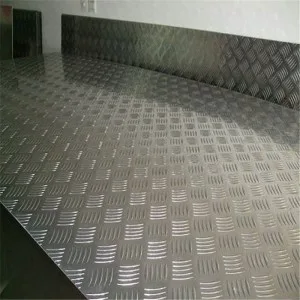
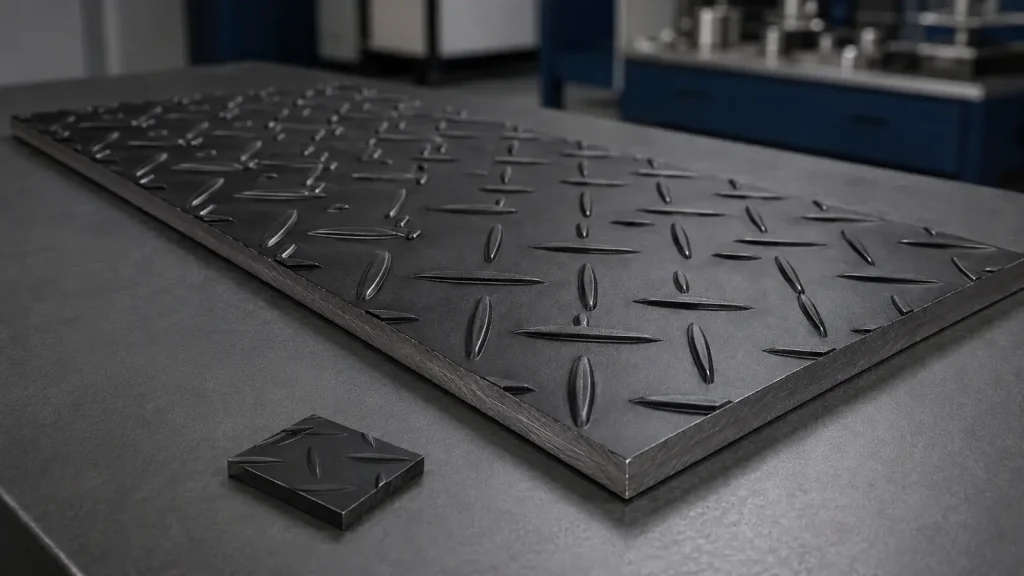
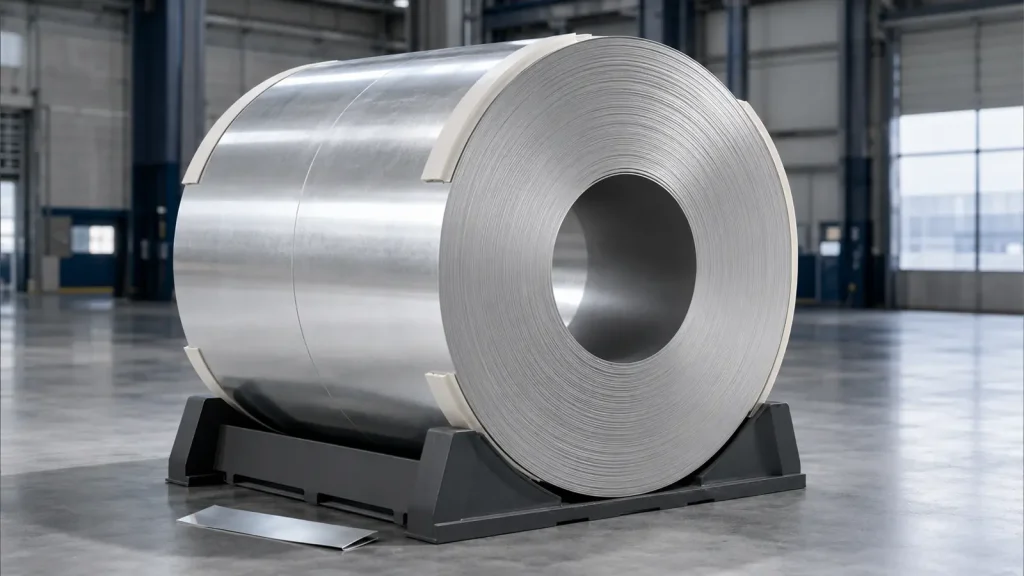
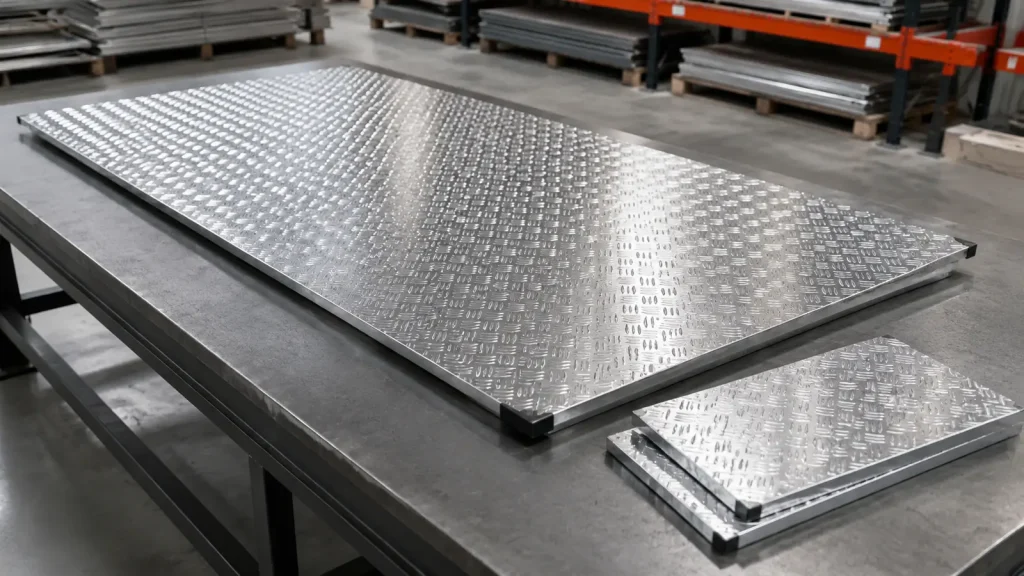
China Aluminum Foil Large Sheets for Faraday Future Manufacturer, Factory & Suppliers should be evaluated against the required alloy or material grade, sheet dimensions, thickness, temper, surface condition, quantity, packaging, and delivery destination. Share the application context and non-negotiable specifications so suppliers can confirm product fit.
For a reliable comparison, request drawings or samples where needed, ask how dimensions and surface quality are checked, and confirm the process for handling questions after shipment. Treat the Faraday Future reference as a sourcing search term unless your project has separately defined approval or compatibility requirements.
Prepare a specification checklist before contacting suppliers. Include the required material or alloy, thickness tolerance, sheet length and width, flatness expectations, surface finish, edge condition, quantity, and intended use. If the final configuration is not fixed, identify which details are open to supplier recommendations.
For bulk purchasing evaluation, ask each supplier to quote against the same information. Request unit basis, minimum order quantity, sample availability, production lead time, export packaging, shipping terms, and destination-port assumptions. Drawings, photographs, test references, or approved samples can reduce ambiguity.
Build quality review into the RFQ. Ask what inspection records are available for material identity, dimensions, surface condition, quantity, and packaging. Clarify whether pre-shipment photos, sample approval, or third-party inspection can be arranged when required by your internal process.
Before placing an order, confirm the communication path for revisions, nonconforming material, replacement discussions, and after-sales questions. Compare suppliers on specification matching and response completeness rather than price alone, especially when large sheets require a custom size or configuration.