24 Gauge Aluminum Sheet Selection Guide | SUZHOU TOP METAL MATERIALS CO.,LIMITED

24 Gauge Aluminum Sheet for Covers and Panels

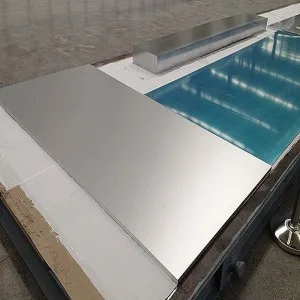
For a formed cover, flashing detail or light-duty enclosure, 24 gauge aluminum sheet can provide a thin, workable panel without the weight of thicker stock. The first decision is the thickness your design can accept: gauge is a shorthand, so confirm the nominal thickness and tolerance in inches or millimeters before ordering.

Related Products

Match sheet thickness and temper to the part

Sheet selection

Compare 24 gauge sheet options by confirmed thickness and tolerance, alloy, temper, surface finish and available sheet size—not by gauge designation alone.

Criterion What To Check Why It Matters Buyer Tip
Actual sheet thickness Specify the required thickness in millimeters or inches, plus the acceptable tolerance; do not rely on “24 gauge” alone. Gauge terminology can leave the thickness unclear, affecting fit and stiffness. Ask: What measured thickness and tolerance would you supply for 24 gauge aluminum sheet?
Alloy and temper Compare the proposed alloy and temper with the bending, forming and service conditions in your drawing. A sheet that forms easily may not provide the strength or dent resistance the part needs. Share the intended bends and ask which alloy–temper combination suits them.
Finish and thickness basis State whether you need bare, painted or anodized sheet, and whether the thickness requirement applies to the base metal. A finish changes appearance and surface protection; its thickness can also matter for close-fitting parts. Ask how base-metal thickness and any finish will be identified on the quotation.
Sheet size and flatness Provide the cut size, dimensional tolerances and any flatness requirement for visible or closely fitted panels. A usable thickness does not compensate for a sheet that will not fit or sit flat in the assembly. Send the drawing or panel dimensions and identify edges that need a precise fit.
Surface condition at delivery Describe the visible face and ask how scratches and handling marks will be assessed. Cosmetic requirements differ between a concealed formed part and an exposed panel. Mark the show face on the drawing and ask whether protective film is available if needed.

Check forming, support and surface requirements

Sheets sold under the same gauge can behave differently in a bend. Alloy and temper affect forming, stiffness and corrosion resistance; thickness alone does not settle those choices. If a part has tight bends, describe them before choosing a harder temper for added rigidity.

Start with the finished part. A broad, unsupported panel may flex or dent even if the sheet meets its specified thickness. Check the span, fastening method and expected handling before deciding that 24 gauge is suitable.

Match the alloy and temper to fabrication. A bend, rolled edge or stamped feature needs different consideration from a flat cut panel. An avoidable mistake is selecting for stiffness without checking whether the part can be formed as drawn.

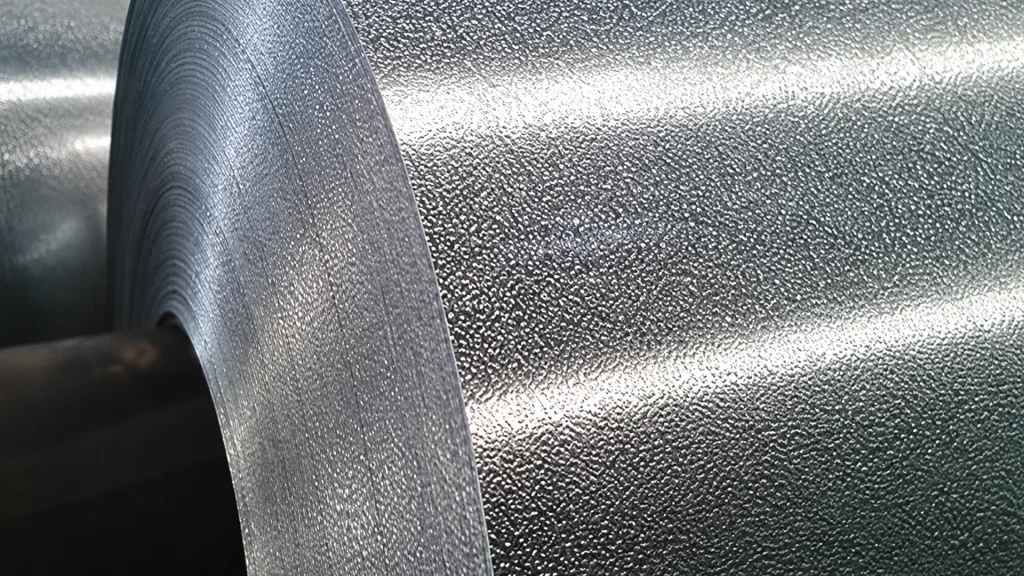
Specify the surface that matters. A visible cover may need a different finish and handling standard from a concealed liner; protective film and surface direction may also matter during fabrication. If the sheet will be coated or anodized, clarify whether the thickness requirement applies to the base metal.

Send a drawing or cut dimensions with the intended use, required nominal thickness and tolerance, alloy and temper if already chosen, and finish requirements. If those choices are still open, ask SUZHOU TOP METAL MATERIALS CO.,LIMITED which options it can offer for the part.


Criteria Importance Description Example Options
Confirmed thickness Essential where fit or forming clearance is tight Compare a stated nominal thickness and tolerance, not the gauge label alone. A cover that fits into a narrow channel needs its thickness specified in millimeters or inches.
Panel support versus thicker stock Important for wide or frequently handled parts A thin sheet saves weight, while a thicker sheet or additional support can reduce flex and denting. Compare an unsupported flat cover with a cover of the same thickness attached along more edges.
Alloy and temper Critical when the part has bends or formed edges A harder temper may provide more rigidity but can be less forgiving during forming. A flat blank and a cover with a tight rolled edge may call for different material choices.
Surface condition Important for visible parts or parts receiving a finish Clarify appearance requirements, protective handling and whether thickness refers to the base metal before any coating. A visible enclosure face may need closer attention to scratches than a concealed liner.

Blog Articles / Reviews

6061 0 Aluminum Sheet: What Should Buyers Verify?

6061 0 Aluminum Sheet: What Should Buyers Verify?

A request for 6061 0 aluminum sheet is a temper-specific purchasing question, not simply a request for generic 6061 sheet. That distinction matters when a buyer compares supplier quotations. TOP METAL…

Frequently Asked Questions

Is this thickness suitable for an outdoor cover?

It may be suitable for a small, well-supported cover, but the span and exposure matter. Choose the alloy and finish for the environment, and check how the cover will be fastened to other metals.

Is 24 gauge aluminum the same thickness as 24 gauge steel?

Not necessarily. Gauge conventions differ by material, so specify the aluminum sheet thickness and acceptable tolerance in inches or millimeters rather than relying on the gauge number.

Would a thicker sheet be better than adding support?

A thicker sheet can reduce flex and denting, but it also adds weight and may affect forming. For a broad panel, compare the finished design with added supports before changing thickness.

Can the sheet be bent into a tight edge?

That depends on the alloy, temper, sheet thickness and bend geometry. Provide the inside bend radius and bend direction with the drawing so the proposed material can be checked against the part.

What should I confirm before ordering cut blanks?

Confirm the required blank dimensions, dimensional tolerances and which face must remain free of handling marks. Ask SUZHOU TOP METAL MATERIALS CO.,LIMITED what sheet sizes and cutting options it can offer for those requirements.

Leave Your Message

Share the part drawing or dimensions, intended application, and required thickness and finish so the available sheet options can be checked.