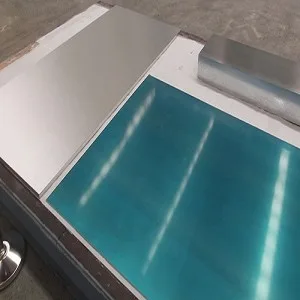
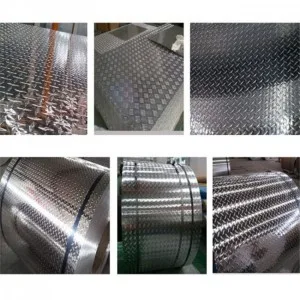
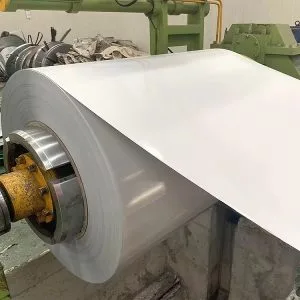
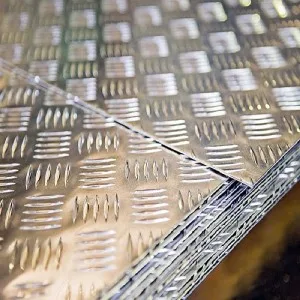
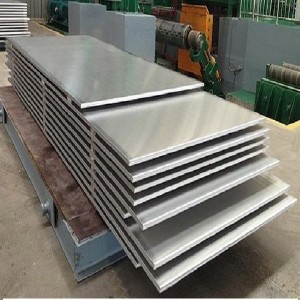
If you are looking for 4x8 sheets of aluminum for sale, start by confirming the required alloy, temper, thickness, finish, tolerance, and end-use conditions. These details help a supplier understand whether standard stock, cut-to-size service, or a customized option is more suitable.
For B2B sourcing, the best inquiry includes quantity, destination, expected delivery window, sample request, inspection requirements, and any drawings or reference photos. This gives the manufacturer or supplier enough information to prepare a more useful quotation.
For new product line development, begin with the performance role of the aluminum sheet. Confirm whether the part needs formability, surface appearance, corrosion resistance, conductivity, strength, or simple structural support. This will guide alloy and temper discussion before price comparison.
Prepare a technical checklist for the RFQ. Include sheet size, thickness range, surface finish, protective film needs, edge condition, flatness expectations, packaging method, labeling requirements, and any third-party or internal inspection documents needed for approval.
Ask about sample confirmation before placing a larger order. A sample can help your team review surface quality, thickness consistency, cutting accuracy, and packaging suitability. If the sheet will be processed later, share bending, stamping, coating, or assembly requirements early.
When comparing supplier options, review how clearly each reply addresses your specifications. A useful response should confirm available materials, explain quotation conditions, note lead time factors, and support after-sales communication if quality or documentation questions arise.