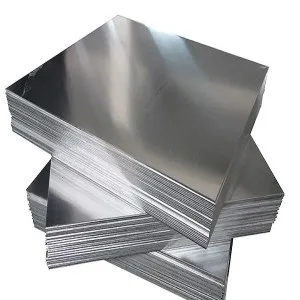
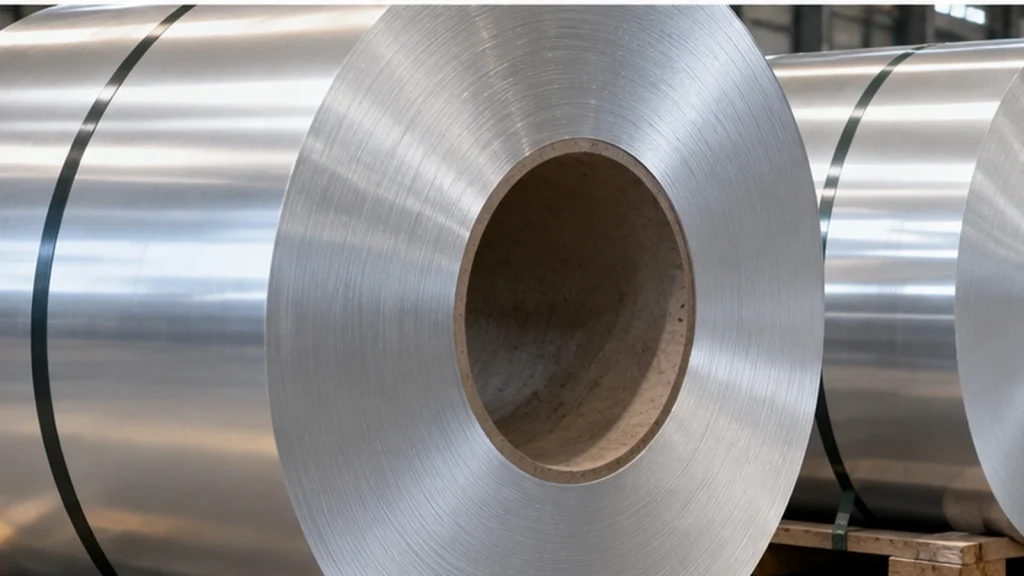
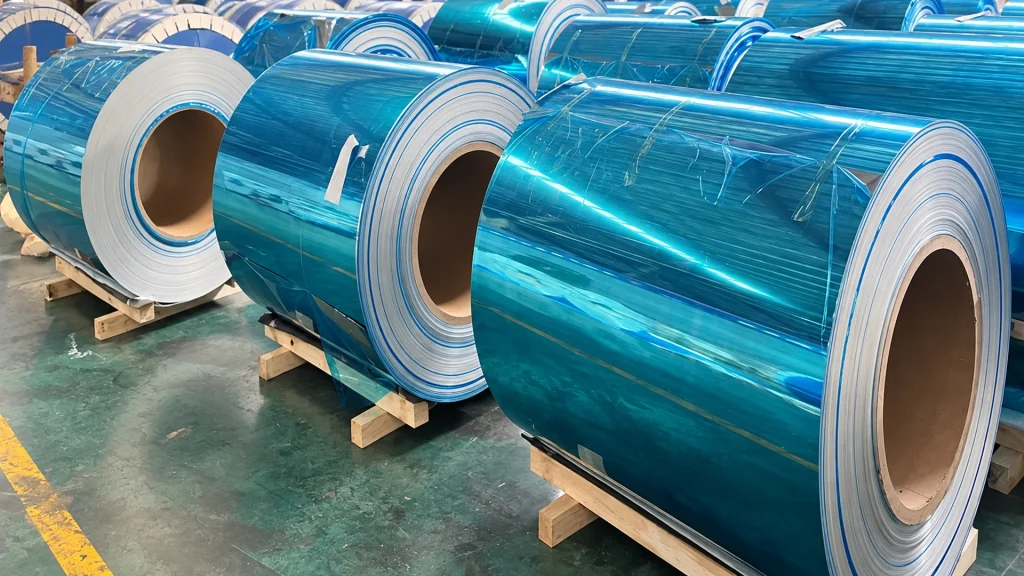
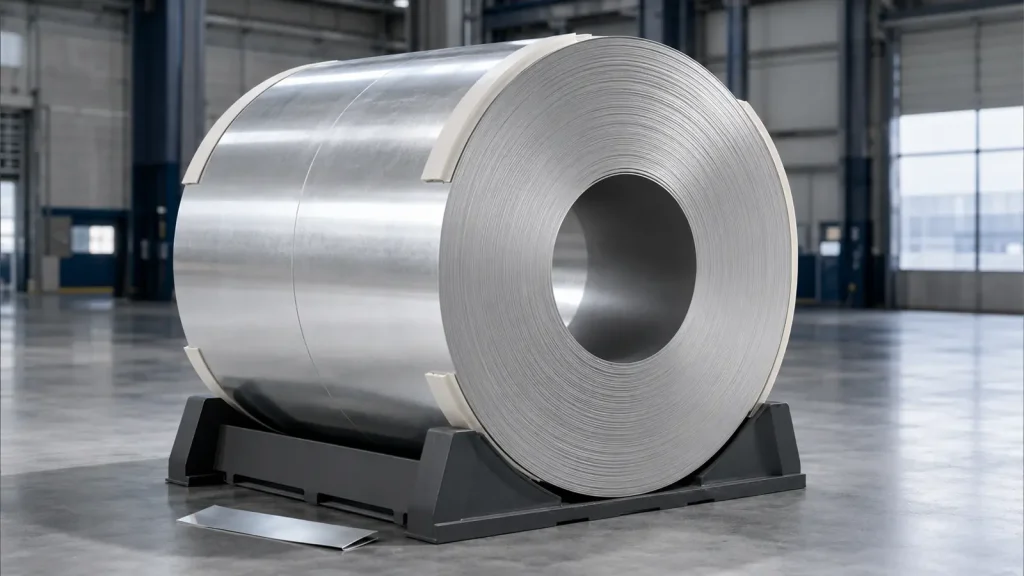
All Aluminum Coil In China Selection Guide | SUZHOU TOP METAL MATERIALS CO.,LIMITED

Sourcing Aluminum Coil from China

Buying aluminum coil from China starts with what the coil must become: a formed panel, a coated surface, a fabricated part or another finished product. The right choice depends on the alloy and temper, dimensions, surface condition and how the material will be processed—not simply on a description of “aluminum coil.”

Related Products

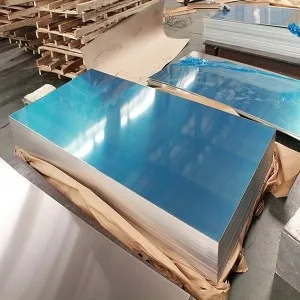
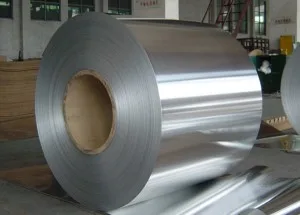
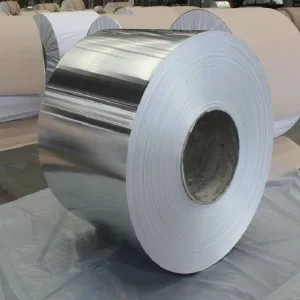
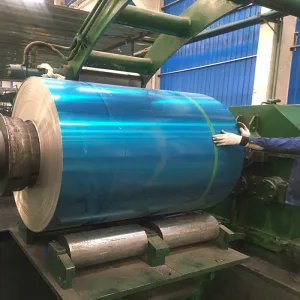
Aluminum Coils factory China

Aluminum Coils factory China

Aluminum can roll, slit and anneal aluminum coil according to your customized specifications. All the rolled aluminium products in processing scope cover 1000 to 7000 series aluminum alloys and are ma…

Read More

Match aluminum coil to the finished part

Coil selection criteria

Compare aluminum coil options by alloy, temper, thickness, width, surface finish and coil format. Prioritize the characteristics that affect your forming equipment and the finished part.

Criterion What To Check Why It Matters Buyer Tip
Alloy and temper Match the proposed alloy and temper to the drawing or forming process. A coil that bends well may not provide the strength or corrosion resistance the application needs. Ask which alloy and temper are proposed for your end use.
Thickness and width Confirm nominal dimensions, tolerances and whether the width is mill-finished or slit. Dimension differences can cause scrap or feeding problems on a production line. Send the acceptable thickness and width ranges, not just nominal sizes.
Coil format Compare inner diameter, outer diameter, coil weight and winding direction with your equipment limits. The right material can still be unusable if the coil will not fit the decoiler. Ask whether the supplied coil format matches your handling equipment.
Surface condition Specify bare or coated coil, the required appearance and which side will be visible. Surface marks or an unsuitable finish matter most on exposed parts and painted products. Ask how the visible face will be identified and protected during packing.
Shipment basis for buyers in China or overseas Compare quotations using the same quantity, packing requirements and delivery terms. A lower coil price may exclude services or packing needed to receive usable material. Ask what the quotation includes before comparing offers.

Decide on temper, finish and coil format

First distinguish bare coil from prepainted coil. Bare coil leaves finishing choices to a later process, while prepainted coil arrives with a coating that must suit the intended appearance, exposure and forming method. A coating that looks right before fabrication may not be suitable for a tight bend, so confirm the required finish alongside the forming requirements.

Choose alloy and temper around the application. A coil intended for bending needs different forming behavior from one selected primarily for strength or corrosion resistance. If the drawing names an alloy but not a temper, clarify both before comparing offers.

Check thickness, width and coil format against the equipment that will process the material. Confirm acceptable dimensional tolerances, coil inner diameter and maximum coil weight where these affect feeding or handling. Ordering a usable alloy in the wrong coil format can still interrupt production.

Describe the surface the finished part needs. State whether appearance matters on one or both sides, and identify any requirements for coating, protective film or subsequent finishing. Do not assume that “mill finish” or a color name defines an acceptable visual result.

When comparing quotations, ask what material, finish, tolerances and packaging each offer includes. Send SUZHOU TOP METAL MATERIALS CO.,LIMITED the intended application and drawing or specification, then ask which coil options it can supply and what details it needs to confirm a match.

Criteria Importance Description Example Options
Bare versus prepainted coil Decisive when the finished part needs a visible or protective surface. Compare where finishing takes place and whether a coating can withstand the planned forming and service conditions. A part painted after fabrication may call for bare coil; a panel used with its supplied finish may call for prepainted coil.
Alloy and temper Critical to forming behavior and the properties required of the finished part. Assess the proposed combination against the actual fabrication process rather than choosing by alloy name alone. A tightly formed component and a relatively flat panel may need different material choices.
Dimensions and coil format Essential for compatibility with processing equipment. Compare thickness and width tolerances as well as coil inner diameter and acceptable coil weight. A coil with the specified thickness may still be unusable if its inner diameter does not fit the feed equipment.
Surface and packaging Especially important when marks will remain visible on the finished part. Define the acceptable appearance, which sides matter and how the coil should be protected during handling. For an exposed panel face, specify which side must meet the appearance requirement.

Blog Articles / Reviews

Frequently Asked Questions

Is the same coil suitable for formed panels and stamped parts?

Not necessarily. The required bend radius, forming steps and finished appearance can call for different tempers or surface conditions. Share a drawing or sample part so the forming requirements can be checked against the proposed coil.

When does bare coil make more sense than prepainted coil?

Bare coil gives you the option to finish parts after cutting and forming. Prepainted coil may suit a process that uses a finished surface straight from the coil, but its coating must tolerate the planned fabrication and exposure.

Does specifying an alloy number fully define the material?

No. Temper, thickness tolerance and surface condition can change how a coil behaves in production, even when the alloy designation is the same. Include those details rather than treating the alloy number as a complete specification.

What should we confirm if the coil will run on existing equipment?

Check the equipment’s accepted coil inner diameter, width and weight limits, along with the required feed direction if surface appearance or coating orientation matters. Confirm these points before accepting a quote for otherwise suitable material.

How can we compare quotations from China on the same basis?

Ask each seller to identify the quoted alloy, temper, dimensions and tolerances, finish, coil format and packaging. Also clarify the quantity and delivery terms behind each offer; a lower quoted amount may cover a different material or scope.

Leave Your Message

Share the coil’s application, required alloy and temper, and target dimensions and finish. If you have a drawing or specification, include it with your inquiry.