Choosing an Aluminium Coil Manufacturer | SUZHOU TOP METAL MATERIALS CO.,LIMITED

Choosing an Aluminium Coil Manufacturer

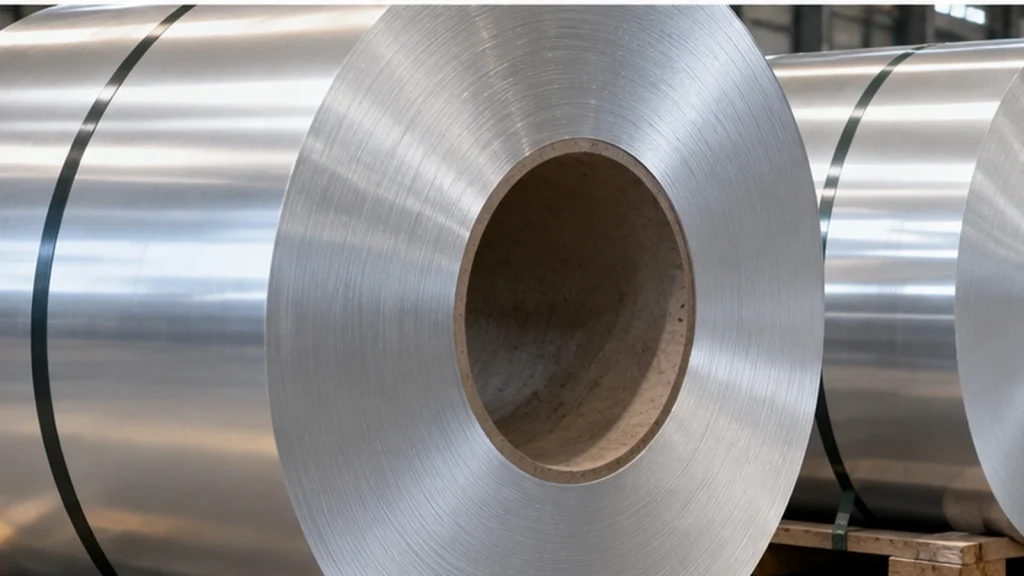
Aluminium coil for stamping, forming or cladding has to suit both the finished part and the equipment that processes it. Alloy and temper affect forming behavior; thickness, width and surface condition affect yield and appearance. A low unit price is less useful if the coil arrives in the wrong format for your line.

Related Products

PVDF Coated Aluminium Coils

PVDF Coated Aluminium Coils

Color-coated aluminum (color-coated aluminum coil), common polyester color-coated aluminum (color-coated aluminum coil), is widely used in aluminum honeycomb panels, aluminum…

Read More

Match aluminium coil to the part and processing line

Coil selection

Compare coil options by alloy, temper, dimensions and surface finish first. Add coating requirements or coil-handling limits where they affect your process.

Criterion What To Check Why It Matters Buyer Tip
Alloy and temper Match the proposed alloy and temper to the forming, strength and corrosion needs of the finished part. A coil with the right dimensions can still crack during forming or perform poorly in use. What alloy and temper would you quote for our application, and what alternatives change the trade-off?
Thickness, width and tolerances State the required nominal dimensions and acceptable variation; ask how they will be measured. Variation affects yield, fit and downstream processing. Can you confirm the tolerances on the quotation rather than listing nominal dimensions alone?
Surface condition or coating Specify the required finish, visible-surface standard and any coating or protective film. Surface defects and unsuitable coatings may become apparent only after forming or installation. Could you confirm the finish and provide an agreed method for judging visible defects?
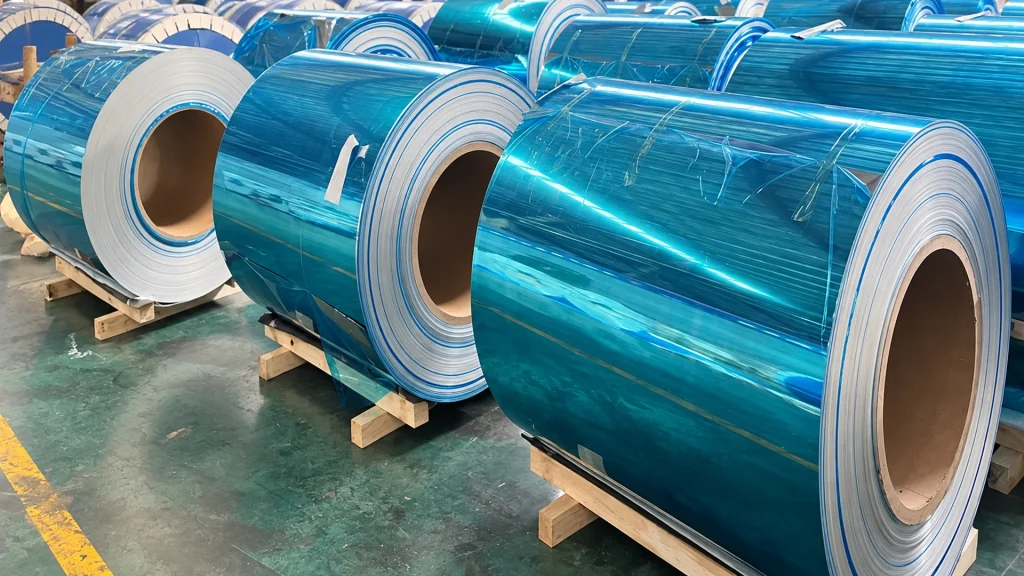
Coil format and protection Confirm inside diameter, maximum coil weight, winding orientation and packaging requirements. The coil must fit the buyer’s handling equipment and arrive with edges and surfaces protected. What coil format can you supply within our equipment’s limits?
Manufacturing responsibility and traceability Ask who rolls, coats or slits the material and what documents identify the supplied batch. Knowing who controls each step makes specification changes and defect investigations easier. Which steps do you perform, and what batch documents would accompany an order?

Decide the grade, finish and production scope

When evaluating an aluminium coil manufacturer, clarify who produces the base coil and who handles slitting, coating or other finishing. Those steps may be performed by different businesses. The distinction matters when you need to resolve a width tolerance, surface defect or coating issue: ask who controls each step and who will answer a quality claim.

Start with the part and forming process, then choose alloy and temper. For example, 3003 may suit formed general-purpose components, while an application calling for 5083 has different strength and corrosion-resistance considerations. Do not substitute one alloy based on price alone; confirm the required properties against the part drawing and service conditions.

Specify thickness and width tolerances, coil inner diameter and any limits on outer diameter or weight. A coil that meets the material grade can still be unusable if it does not fit the uncoiler or creates excessive trim. State which face will be visible and what surface defects your process cannot accept.

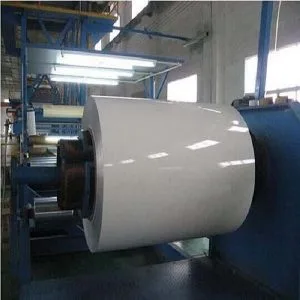
For prepainted coil, define the intended exposure, color and finish requirements, and the forming the coating must withstand. A coating that looks right on a flat sample may not suit a tight bend. Agree on how color and bend performance will be assessed before production.

Compare quotations on the same material and delivery scope. Check whether the price covers the specified finish, slitting, protective packaging and the documents you need. Send a drawing or end-use description with your coil dimensions, then ask SUZHOU TOP METAL MATERIALS CO.,LIMITED which production and finishing steps it can provide or coordinate.


Criteria Importance Description Example Options
Coil versus cut sheets Matters most when feed equipment and run length determine the usable format. Coil supports continuous feeding; sheets avoid the need to handle and unwind a coil. A continuous stamping line may favor coil, while a small batch cut by hand-operated equipment may favor sheets.
Softer versus harder temper Critical when the part combines bends with strength requirements. A softer temper generally forms more readily; a harder temper can reduce the forming margin. A deep-formed component may need a different temper from a shallow panel in the same alloy.
Bare versus prepainted surface Depends on appearance, exposure and how much forming follows delivery. Bare coil leaves finishing to a later process; prepainted coil requires the coating to survive the intended fabrication. A visible panel may call for a specified color, while a concealed component may not need a decorative coating.
Full-width versus slit coil Affects trim waste and whether the material fits the feeding line. Slitting brings the coil closer to the required feed width but adds an edge condition and a processing step to agree on. A narrow press feed may use slit coil rather than trim a wider coil at the press.

Product Selection

Related Options

For a visible formed panel, prioritize a suitable temper and consistent surface or coating appearance alongside the required width. For a part that will be concealed, forming behavior and material yield may carry more weight.

Blog Articles / Reviews

Frequently Asked Questions

Should I buy coil or cut sheets for a short production run?

Coil suits a line that feeds material continuously and can handle the coil’s size and weight. Cut sheets may be more practical if the run is small or the equipment cannot feed coil, even if the material cost per unit is higher.

Can a harder temper replace a softer one if the alloy is the same?

Not without checking the part. A harder temper may offer greater strength but allow less forming, particularly around tight bends. Confirm the required temper against the forming operation rather than treating the alloy designation as a complete specification.

Does a protective film mean the coil surface will be defect-free?

No. Film can protect a surface during handling, but it does not define the acceptable appearance of the metal or coating beneath it. Specify which face matters and agree on the inspection criteria separately.

When does prepainted coil make sense instead of painting finished parts?

Prepainted coil can suit parts formed within the coating’s limits and cut from material with a consistent finish. Painting after fabrication may be preferable when forming would damage the coating or cut edges also need coverage.

What should I request to verify the material supplied?

Ask which material identification and inspection documents can accompany the order, and check that they refer to the agreed alloy, temper and dimensions. If traceability to a production batch matters, state that before placing the order.

Leave Your Message

Tell us the coil’s end use, required alloy and temper if known, and the thickness, width and finish you need. Include any coil-size limits for your equipment.