
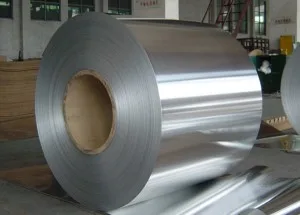
Aluminum Coils factory China
Aluminum can roll, slit and anneal aluminum coil according to your customized specifications. All the rolled aluminium products in processing scope cover 1000 to 7000 series aluminum alloys and are ma…
Read MoreAluminum Ac Coil Factory In China Selection Guide | SUZHOU TOP METAL MATERIALS CO.,LIMITED
Aluminum coil for air-conditioning equipment may become stamped heat-exchanger fins, formed tubing or other components. Those uses need different material, so the first decision is what your production line will make from the coil—not simply which factory in China can quote it.
If you need a finished evaporator or condenser coil rather than aluminum strip supplied in rolls, say so at the outset. The drawings, tests and supplier capabilities to confirm will be different.
Aluminum can roll, slit and anneal aluminum coil according to your customized specifications. All the rolled aluminium products in processing scope cover 1000 to 7000 series aluminum alloys and are ma…
Read More
China aluminum sheet coil suppliers RAYIWELL MFG / RuiYi aluminum can offer 1050 1100 2024 3003 4017 5052 6061 7075 aluminum sheet or aluminum coil in custom sizes and patterns…
Read More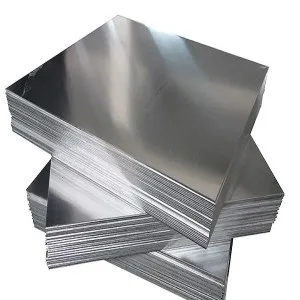
5754 aluminum sheet is a high strength non-heat treatable alloy with excellent corrosion resistance, good weldability and machinability. It is particularly good for seawater applications 5754 aluminiu…
Read More
1050 aluminum strip coil are often used in daily necessities, lighting fixtures, reflectors, decorations, chemical industry containers, heat sinks, signs, electronics, lamps, nameplates, electrical ap…
Read More
1050 aluminum sheet is the most useful sort of series 1000 aluminum alloy. As a kind of pure aluminium sheet, 1050 aluminium sheet is excellent on corrosion resistance, thermal conductivity and electr…
Read More
5052 is an aluminium alloy, primarily alloyed with magnesium and chromium 5052 aluminum is the highest strength alloy of the more non-heat-treatable grades. Its resistance to fatigue is better than mo…
Read MoreMaterial selection
Compare aluminum coil options by the component being made, then narrow the choice by alloy, temper, thickness, surface treatment and roll format. For heat-exchanger fins, forming behavior and coating requirements usually matter more than a broad “AC grade” description.
| Criterion | What To Check | Why It Matters | Buyer Tip |
|---|---|---|---|
| Coil stock or finished AC component | Confirm whether the offer is rolled aluminum for making fins or tubes, or an assembled evaporator or condenser coil. | These are different products with different fabrication and inspection needs. | Ask: Can you supply the form shown on our drawing? |
| Alloy and temper | Compare the proposed alloy and temper with the forming method and the material specified on your drawing. | Material that forms readily may not provide the stiffness needed in the finished part. | Ask for the material designation and the properties used to approve substitutions. |
| Dimensions and tolerances | For coil stock, verify thickness, width and coil dimensions; for an assembled coil, verify the connection layout and overall dimensions. | A mismatch can stop material from feeding through tooling or prevent a component from fitting the AC unit. | Send the drawing and ask which dimensions the supplier will inspect. |
| Surface and operating environment | State whether the aluminum will be bare or coated, and describe expected moisture, condensate and cleaning exposure. | Surface condition affects corrosion resistance and, for fin stock, forming and heat-transfer performance. | Ask what finish is proposed and whether it suits the intended environment. |
| Supply route in China | Clarify who produces the aluminum stock, who performs any forming or assembly, and which party supplies inspection records. | A factory offering raw coil may not make completed AC heat exchangers. | Ask which production steps are handled directly and which are subcontracted. |
For stamped fins, bare aluminum and coated fin stock are not interchangeable. A coating may be specified for condensate drainage or corrosion resistance, but it must also tolerate your forming process and suit the operating environment. Bare stock avoids that coating requirement where the equipment design does not call for it.
If the material will enter a brazed assembly, confirm alloy and process compatibility separately. A coil that forms cleanly into fins is not automatically suitable for brazing or for making refrigerant-carrying parts.
Start with the part drawing and forming method. Specify the required alloy and temper, thickness and width tolerances, surface condition and any limits on burrs or edge damage. Temper affects how the strip behaves during stamping; choosing it by price alone can create scrap or inconsistent fins.
For coated fin stock, describe the coating function and where the unit will operate. Ask how coating consistency, adhesion after forming and surface cleanliness are checked against your agreed requirements. An unspecified “coated coil” can leave the most important performance question unanswered.
Check how the rolls will run on your equipment: coil inner diameter, maximum roll size, winding direction, splice rules and protective packaging can affect feeding and handling. Confirm which operations the prospective factory performs itself, particularly coating or slitting if either is part of the order.
Send a drawing or existing material specification with the intended process and operating environment. Request a proposed material designation, the inspection information available for each batch and a sample plan before approving production material.
| Criteria | Importance | Description | Example Options |
|---|---|---|---|
| Intended component | Determines which material properties and processing steps matter. | Separate stamped fins from tubing, other formed parts and finished heat-exchanger assemblies. | A fin-stamping line needs strip suited to its tooling; an assembled condenser requires a different supply scope. |
| Alloy and temper | Directly affects forming behavior and suitability for the planned process. | Compare proposed material designations against the drawing and any subsequent joining process rather than accepting a general AC-grade description. | A temper that works for one fin profile may not form as intended in another. |
| Surface treatment | Matters when condensate behavior or the operating environment calls for a defined surface function. | Choose bare or coated stock according to the equipment design, and agree on how the required coating condition will be assessed. | A unit with a specified drainage coating should not be quoted as bare fin stock without design approval. |
| Roll format and processing scope | Can affect line feeding and whether quotations cover the same work. | Compare slit width, coil inner diameter, roll size, winding direction, splice rules and packaging; clarify whether slitting or coating is included. | A wide master coil and a ready-to-feed slit roll are not equivalent deliveries. |
Related Options
On a fin-stamping line, material that feeds consistently and forms without damaging the required surface finish is the useful benchmark. Match any proposed coil to your tooling and coating requirement before comparing quotations.







When sourcing from an aluminum coil manufacturer in China, B2B buyers need more than a product name or a basic quotation request. A reliable procurement specification should connect the aluminum coil …
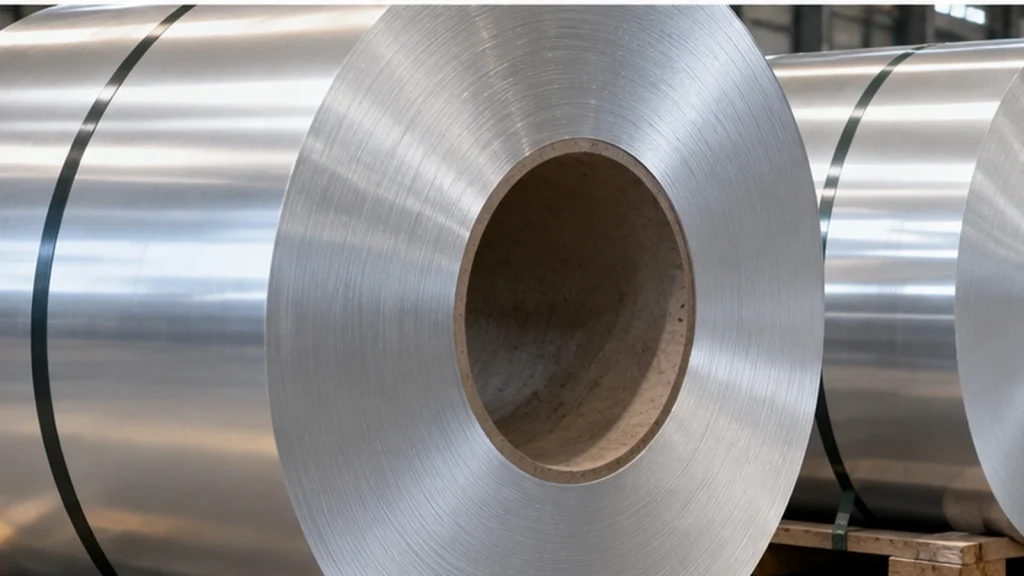
When evaluating an aluminum coil prices supplier in China, buyers should verify supplier evidence and product fit before comparing the headline price. For a 5052 aluminum requirement, the RFQ should d…

3003 alloy aluminum coil is an Al-Mn, non-heat-treatable material used where formability and corrosion resistance matter. But a B2B buyer cannot build a reliable quotation around the words “3003…
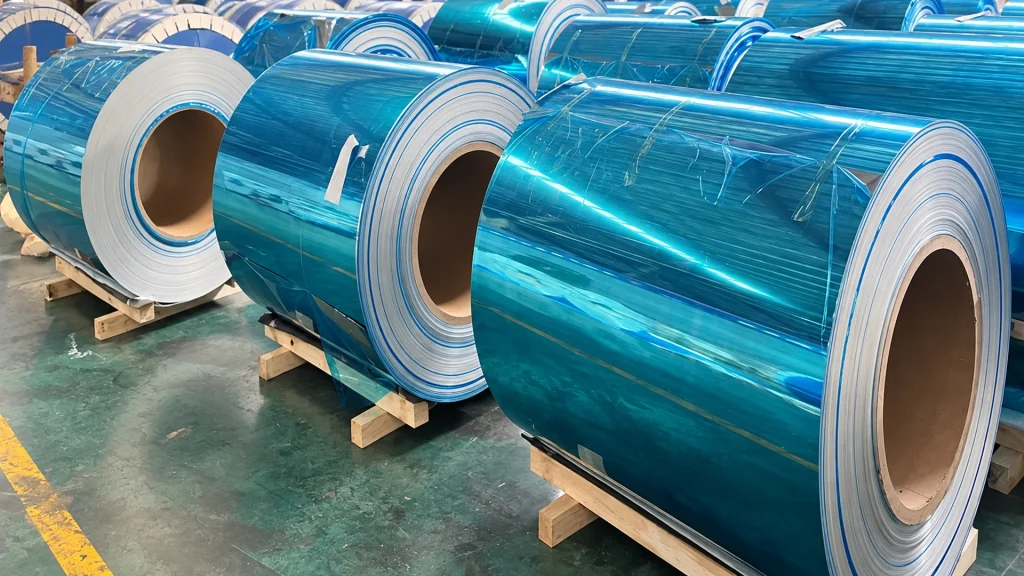
A bend-test result for prepainted aluminum coil is useful when the tested material, method and acceptance conditions are identified together. A rating such as 0T or 2T describes performance under a sp…

Direct Answer: Buyers should ask an anodised aluminum sheet supplier China sourcing teams are reviewing to define the base alloy, temper, thickness, sheet size, anodizing sequence, finish, color-contr…

Before production, buyers should freeze the 5083 aluminum coil’s governing material standard, temper, thickness and tolerance, width and edge condition, coil inside diameter, maximum outside dia…
Do not assume so. Tubing needs material and joining characteristics suited to the refrigerant circuit, while fin stock is selected primarily for forming into thin fins. Specify the component and fabrication process before asking a factory to propose a coil.
No. A hydrophilic coating is intended to change how water behaves on the fin surface; it does not remove the need to assess corrosion exposure. Ask what coating function is proposed and how its condition will be checked after forming.
Not without checking the scope. Rolled strip is an input material, while a finished heat exchanger includes formed parts and assembly work. Send the drawing and state whether you want material for your own production line or an assembled component.
Check that both quotes cover the same alloy, temper, thickness tolerance, surface treatment and slit width. Also compare roll format, packaging, inspection information and which processing steps are included; a lower material price may exclude work your line needs.
Agree on the material specification, roll requirements and inspection criteria, then run a representative sample through the intended process if practical. Ask how the factory will identify production batches and report results against the agreed criteria.
Tell us whether you need fin stock, material for another component or a finished heat-exchanger coil. Include your drawing or material specification, required surface treatment and roll dimensions so SUZHOU TOP METAL MATERIALS CO.,LIMITED can confirm what it can supply.