Aluminum Ac Coil Supplier In China Selection Guide | SUZHOU TOP METAL MATERIALS CO.,LIMITED

Sourcing Aluminum Coil for AC Fins in China

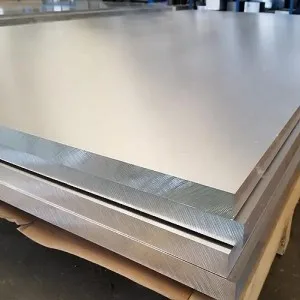
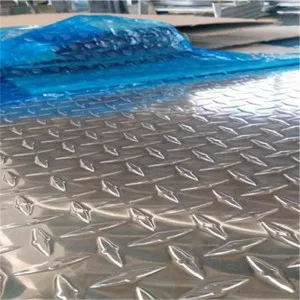
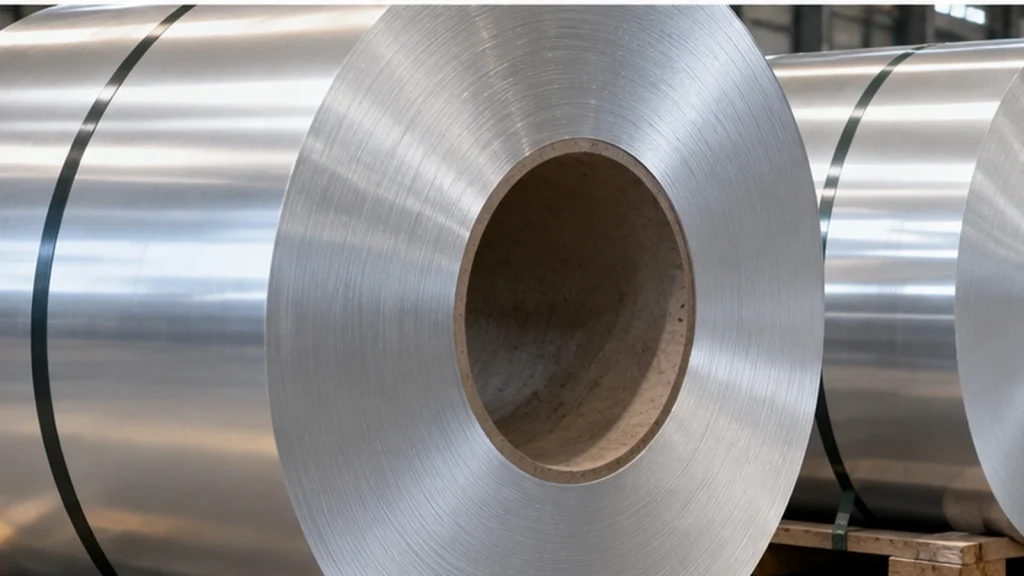
For air-conditioning heat-exchanger fins, aluminum coil has to run through fin-forming equipment and suit the conditions the finished unit will face. Buyers sourcing from a supplier in China should start with the fin design, forming process and required surface finish—not alloy alone.

Related Products

Match aluminum fin stock to your heat exchanger

Fin-stock selection

Choose fin stock by forming requirements, thickness and width tolerances, surface finish, and coil dimensions that fit your equipment.

Criterion What To Check Why It Matters Buyer Tip
Fin stock or tubing coil Confirm whether the air-conditioning design calls for flat aluminum strip for fins or coiled aluminum tube for refrigerant lines. These are different products with different dimensions and forming requirements. Can you supply the required form, and what drawing should we send?
Alloy and temper Compare the specified alloy and temper with the intended fin-forming or tube-bending process. A material that is too hard or too soft can cause forming defects or poor dimensional control. Which alloy and temper match our drawing and forming method?
Dimensions and tolerances For fin stock, verify thickness and width; for tubing, verify outside diameter and wall thickness. Agree on tolerances for the chosen form. Dimensional variation can disrupt tooling fit and heat-exchanger assembly. Can you quote against our drawing, including its tolerances?
Surface condition State whether bare material or a specified surface treatment is needed, and agree on acceptable oil, scratches and handling marks. Surface condition affects forming, joining and the finished coil’s appearance. What surface condition will be supplied, and how will it be checked?
Coil handling and packing Confirm coil inner diameter, maximum coil weight, winding direction and protection during transport. A coil that does not fit the feed equipment, or arrives with damaged edges, can interrupt production. Can you pack each coil to suit our uncoiler and receiving limits?

Decide on finish, forming fit and coil format

Bare and coated fin stock are not interchangeable choices. A hydrophilic finish may be specified where condensate drainage matters, while another finish may be chosen for a different operating environment. Coating choice also affects forming and joining, so confirm that the proposed material fits the heat-exchanger design and production process.

If “AC coil” means tubing or an electrical coil rather than aluminum strip for air-conditioning fins, identify the component before discussing material specifications.

Start with the fin-forming operation. Specify the required alloy and temper, thickness and tolerance, strip width, and any limits on surface defects. Material that meets a nominal thickness but cracks, wrinkles or feeds poorly can disrupt production.

Match the surface to the application. For coated stock, ask what the coating is intended to do and how its performance is assessed after forming. Do not assume that “hydrophilic” also establishes corrosion performance or compatibility with your joining process.

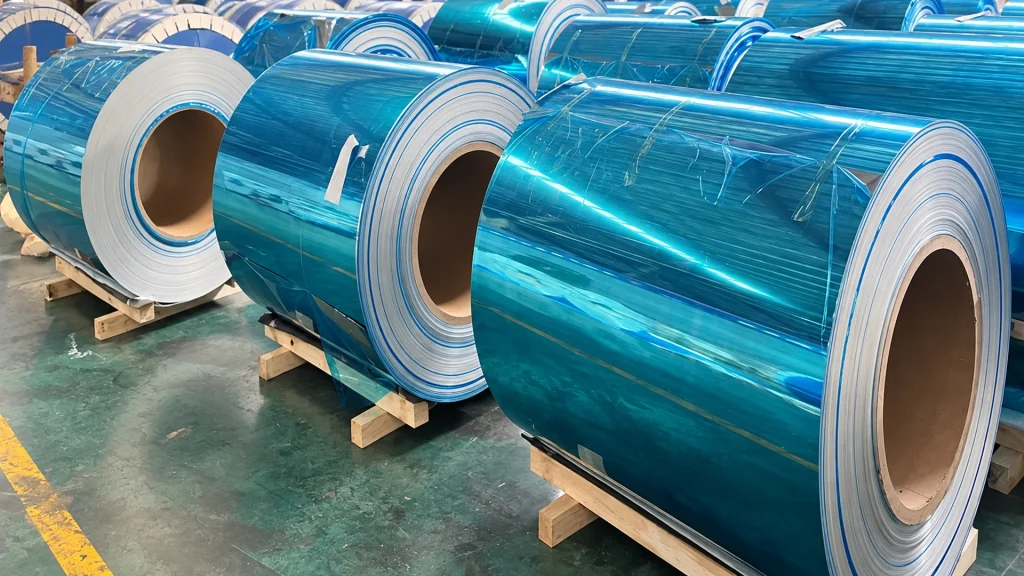
Check how the coil will arrive at your line: inner diameter, maximum outer diameter or coil weight, edge condition, winding and protective packaging. These details affect handling and usable yield, even when the base material specification is the same.

When comparing offers from China, put the same material, finish, tolerances, coil format and delivery terms in each inquiry. Send a drawing or current material specification to SUZHOU TOP METAL MATERIALS CO.,LIMITED and ask which requirements it can meet, what documentation it can provide and which details need clarification.


Criteria Importance Description Example Options
Temper and forming behavior Critical when fins have tight features or the press is sensitive to feed variation. Compare the proposed temper and its suitability for the intended forming operation, rather than treating alloy designation as a complete specification. Two coils of the same alloy may behave differently at a fin press if their tempers differ.
Bare versus coated surface Application-dependent, especially where condensate or a downstream process affects the fin surface. Compare the required surface function with the risk of coating damage during forming and any effect on later processing. A condensate-handling design may call for a specified surface behavior; another design may accept bare stock.
Thickness, width and edge consistency Important to press setup, fin geometry and material yield. Compare tolerances and edge requirements, not just nominal dimensions. Strip supplied at the requested nominal width can still cause feeding trouble if its edge condition is unsuitable.
Coil format A fit requirement for the buyer's handling and feeding equipment. Check inner diameter, allowable outer diameter or weight, winding and packaging against line limits. A coil can contain suitable strip but be too large for the intended decoiler.
Basis of quotation Essential for comparing offers on equal terms. Check that finish, tolerances, coil format, documentation and delivery terms are included on the same basis. A bare-stock quotation and a coated-stock quotation are not direct price comparisons.

Blog Articles / Reviews

Frequently Asked Questions

Does an evaporator fin need a hydrophilic coating?

Not automatically. It depends on how the heat exchanger manages condensate and what surface behavior the design requires. Check the finished fin, not just the coating description on the incoming strip.

When might bare fin stock be preferable to coated stock?

Bare stock avoids a coating that could be damaged during forming or interfere with a later process. Coated stock may be appropriate when the design calls for a specific surface behavior, but that benefit should be checked on formed fins.

Is matching the alloy enough to replace an existing fin coil?

No. Temper, thickness tolerance, surface condition and edge quality can change how strip feeds and forms, even if the alloy designation matches. Compare the proposed material with the current specification and, if practical, run a production trial.

What should a trial coil establish before a larger order?

Check feeding, formed-fin quality and usable yield on the intended equipment. If the stock is coated, inspect the finish after forming and assess the surface behavior required by the application.

What should buyers confirm before comparing quotations?

Ask each supplier to quote against the same material specification, coil dimensions, packaging requirements and delivery terms. Confirm what inspection records can accompany the shipment and how the coils will be identified.

Leave Your Message

Share the fin application or drawing, required thickness and width, and whether you need bare or coated stock. Include your coil-size limits if they affect your production line.