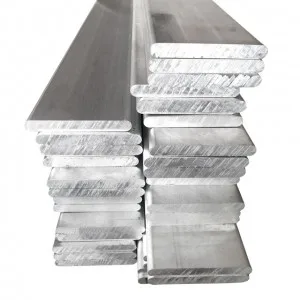
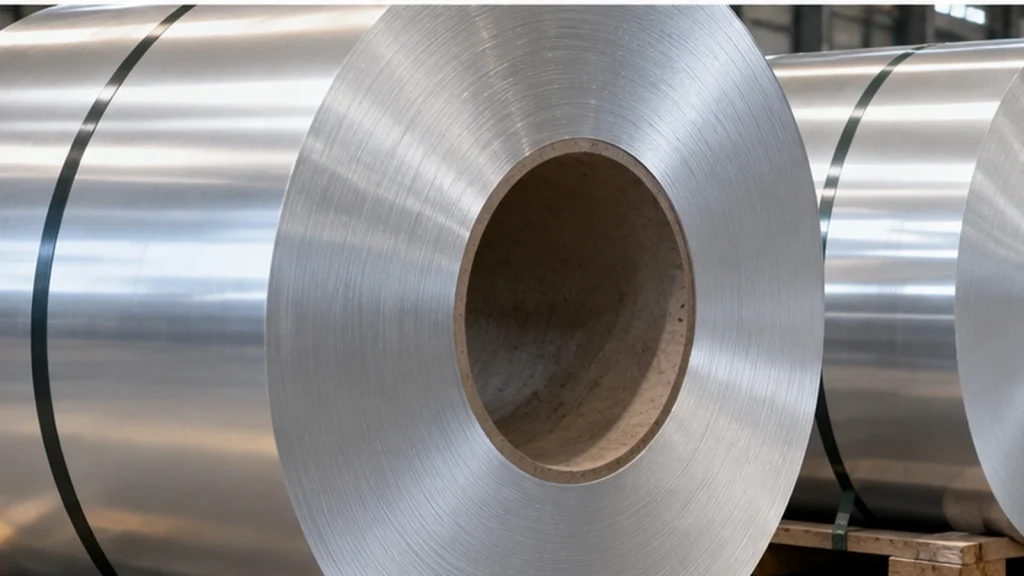
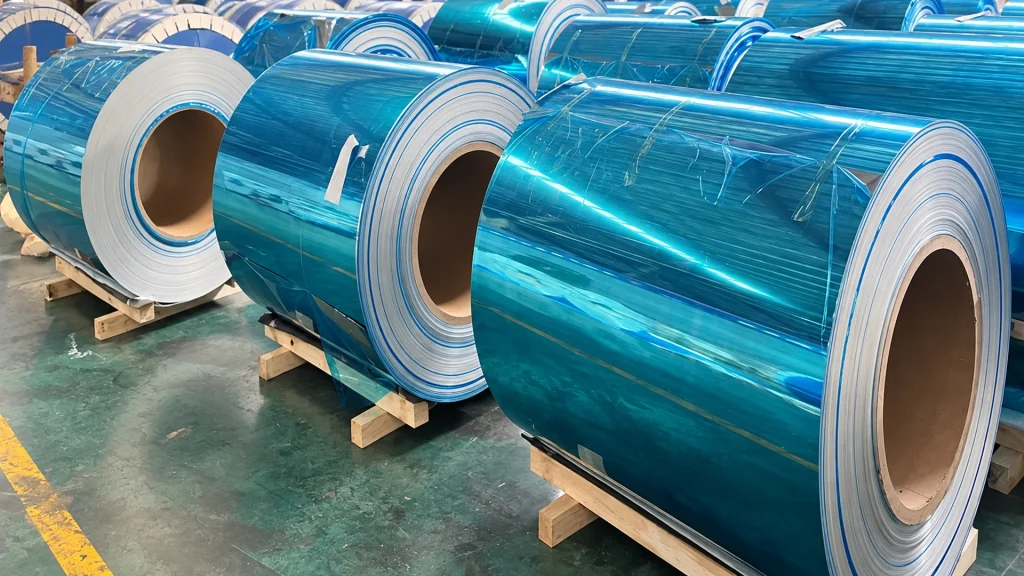
The first distinction is between aluminum coil stock and a finished AC heat-exchanger assembly. A stock wholesaler may quote by alloy, temper, dimensions and surface condition; an assembly requires a different drawing and performance requirements. If you need stock, specify the forming process and intended part so suppliers quote material that can run through your equipment.
Also distinguish a wholesaler’s available stock from material made to order by a manufacturer or factory. Stock may offer a simpler purchase if it matches your requirements; made-to-order material can address a particular size or finish, but its terms need confirming before you commit.
Start with the application. Fin stock needs to feed and form consistently, while material for housings may put more emphasis on surface appearance. Share a drawing or existing material specification rather than assuming that “AC coil” describes the same product to every supplier.
Set the material requirements that affect your process: alloy, temper, thickness, width, surface treatment and coil dimensions. If the stock will be stamped or formed, explain the operation and any known problems, such as cracking, marking or inconsistent feeding. Do not substitute an alloy or temper based on price alone.
Compare quotations on the same basis. Check whether the quoted material is stock or factory-produced for the order, and confirm tolerances, edge condition, packaging and the documents supplied with it. A lower material quote is less useful if the coil cannot fit your line or arrives with a surface you cannot use.
For a purchase from China, tell the supplier where the material must be delivered and what quantity you expect to buy. Ask SUZHOU TOP METAL MATERIALS CO.,LIMITED whether it can supply your specified coil and which details it needs to confirm availability and terms.