China Manufacturer Inquiries for Aluminum-Cased AC Coils | SUZHOU TOP METAL MATERIALS CO.,LIMITED

China Manufacturer Inquiries for Aluminum-Cased AC Coils

An aluminum-cased coil for an air conditioner is an indoor heat-exchanger assembly enclosed in a case that must fit the intended system. Before comparing offers, establish whether you need the complete cased assembly or aluminum coil stock for making its casing. Those are different purchases, with different specifications.

Related Products

Complete cased coil or aluminum casing stock?

Match the product to the job

Choose the specification path that matches the purchase: installation fit and coil construction for an assembled unit, or forming requirements and surface finish for aluminum casing stock.

Criterion What To Check Why It Matters Buyer Tip
What is made of aluminum Confirm whether the aluminum is the outer case, the heat-transfer coil, or both. An aluminum case and an aluminum refrigerant coil have different repair, corrosion and compatibility considerations. Ask the manufacturer for a component drawing that identifies each material.
Fit with the air conditioner Compare the cased coil’s cabinet dimensions, airflow direction and connection locations with the intended indoor unit. A coil can be suitable for the cooling system but still fail to fit the cabinet or duct layout. Send suppliers the indoor unit model and installation drawings before confirming a match.
Refrigerant-system match Verify the coil’s specified refrigerant application and its compatibility with the intended outdoor unit and metering device. Appearance and cabinet size alone do not establish that the components work together. Ask for the exact compatible system models, not a general claim of universal fit.
Condensate and service access Review the drain-pan arrangement, available drain connections and access to the coil for cleaning. Poor drainage fit or obstructed access can create problems after installation. If buying from a factory in China, request drawings showing the drain outlets and access panels.

Check fit, construction and forming requirements

The aluminum case and the heat-transfer coil do different jobs. The case affects fit, airflow around the assembly and access for service; the coil's construction affects its suitability for the refrigerant system. An aluminum exterior does not, by itself, tell you what material the heat-transfer coil uses. Ask for an assembly drawing and a clear description of the coil and casing materials before treating two offers as equivalent.

For a complete cased coil, start with the air-handler or furnace interface: case dimensions, airflow direction, access side and connection positions. A coil that appears suitable by capacity can still be impractical if its case does not fit the installation.

Check how condensate drains and how the case provides access for inspection. These details matter in the installed position; confirm them against the equipment layout rather than relying on a product name alone.

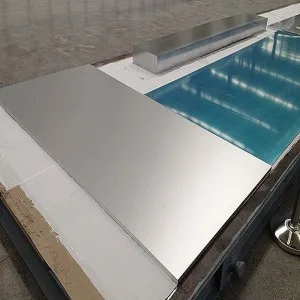
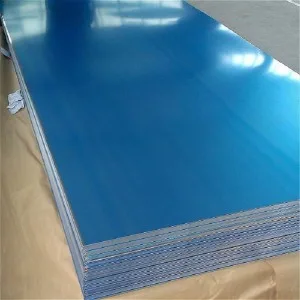
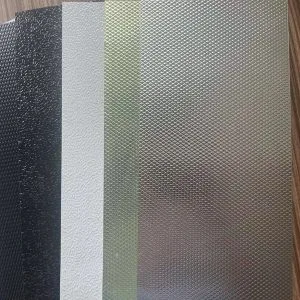
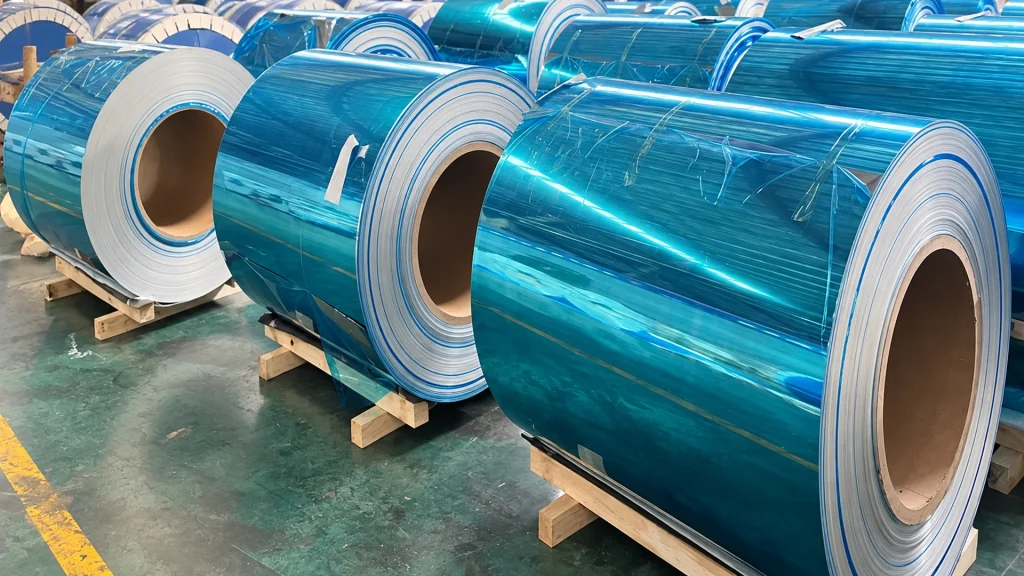
If your requirement is aluminum coil stock for fabricating air-conditioner casings, specify the intended forming process, finished surface and required sheet or coil dimensions. Material that looks acceptable flat may not meet the appearance requirement after bending, so agree on the formed-part requirement before selecting a finish.

When contacting a manufacturer in China, state which of these products you need and send a drawing or equipment reference. Ask the factory to confirm its scope of supply; if comparing suppliers, keep the same drawing, material requirements and inspection criteria across every inquiry.

Criteria Importance Description Example Options
Scope of supply Decides which technical specification applies. Separate a complete heat-exchanger assembly from aluminum sheet or coil used to make its case. An assembled unit needs equipment-matching details; casing stock needs a material and forming specification.
Installed airflow Important when comparing assembled units. Check that the case and coil arrangement suit the equipment’s airflow path; nominal capacity does not establish this. Two assemblies may have similar stated capacities but different case openings.
Coil construction and system match Essential for an assembled replacement. Confirm the heat-transfer coil materials and suitability for the intended equipment and refrigerant system rather than inferring them from the case material. An aluminum enclosure does not identify the tube material.
Finish after forming Important for visible or coated casings. Assess casing stock against the finished part, including bends and exposed surfaces, not just its appearance in flat form. A coated sheet can look acceptable flat yet show damage at a formed edge.

Product Selection

Related Options

For a replacement air-conditioner coil, matching the existing equipment interface comes before choosing a case material. For casing production, the priority shifts to aluminum that forms to the required shape and retains the specified finish.

Blog Articles / Reviews

Frequently Asked Questions

Can I replace an existing cased coil with one of the same nominal capacity?

Capacity alone is not enough. Confirm that the proposed assembly matches the equipment and refrigerant system, and compare its case fit, connection positions, airflow arrangement and drain layout with the existing installation.

When might an uncased coil be the better choice?

An uncased coil may suit equipment designed to house the coil within a separate enclosure. It is not a direct substitute for a cased assembly unless the enclosure provides the required fit, airflow path, drainage and service access.

Does an aluminum case mean the heat-transfer coil is aluminum?

No. “Aluminum-cased” describes the enclosure, not necessarily the tubes or fins inside it. Request a material description for the heat-transfer coil if its construction matters to your specification.

What matters most when selecting aluminum stock for a formed casing?

Start with the casing drawing, forming method and required appearance after forming. Ask how the proposed alloy and finish will be assessed on a representative formed part, since a flat sample may not show bend-related surface defects.

What should I confirm before sending an inquiry?

Ask whether the company can supply the complete cased assembly or only aluminum material for the casing. Send the relevant equipment reference or part drawing so its response addresses the product you intend to buy.

Leave Your Message

Tell us whether you need an assembled cased coil or aluminum stock for its casing. Include an equipment reference or drawing, the required dimensions and any finish requirement.