China Aluminum Channel Coil Manufacturer | SUZHOU TOP METAL MATERIALS CO.,LIMITED

China Aluminum Channel Coil Manufacturer

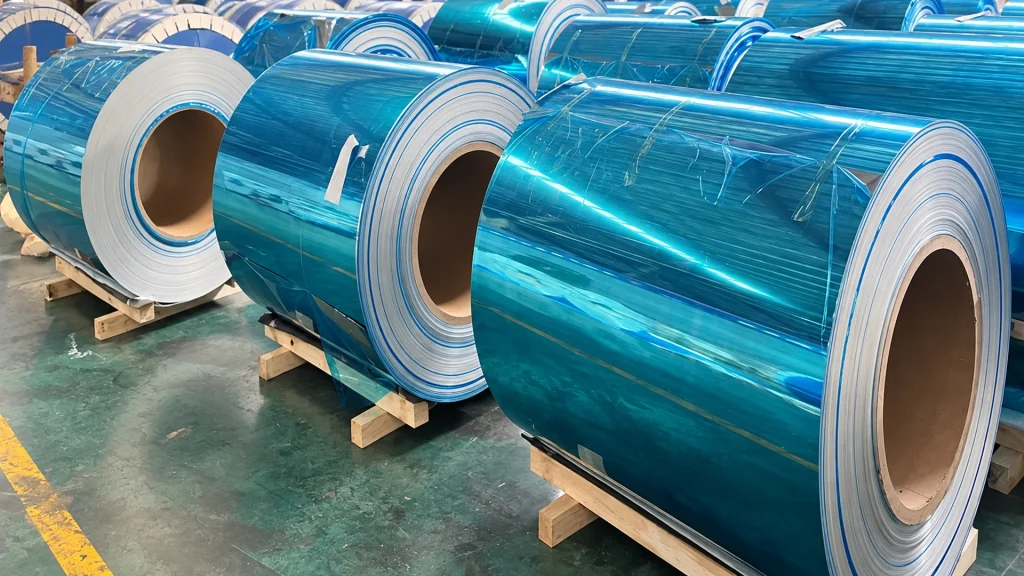
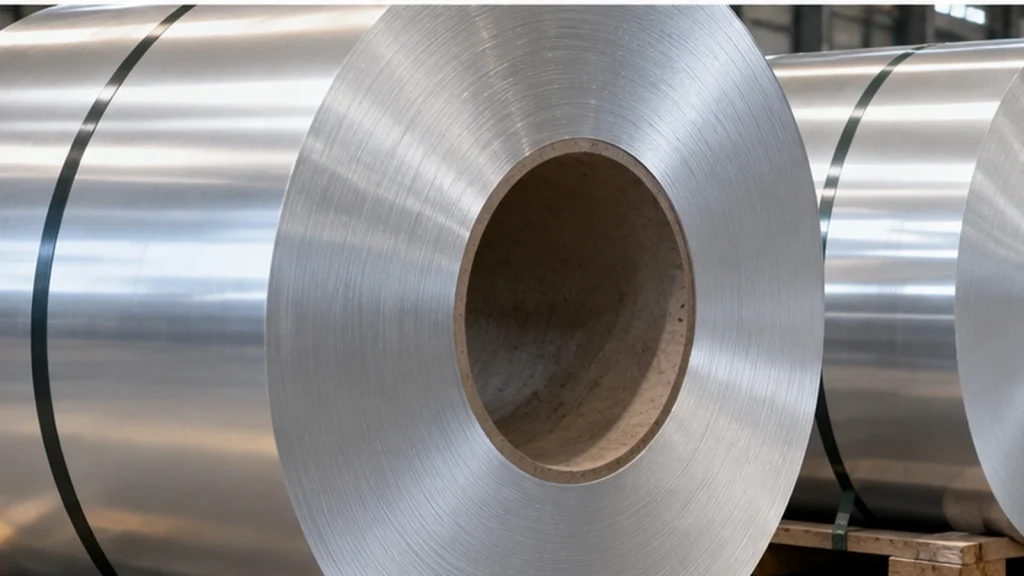
Aluminum channel coil is coil stock intended to be formed into channels, rather than a finished channel profile. The main buying decision is whether the coil can pass through your forming process and produce the required shape and surface without cracking, excessive springback or visible damage.

Related Products

Match coil stock to the finished channel

Coil selection

Match the coil to the forming method first, then compare alloy and temper, thickness and width tolerances, edge condition and finish. The right balance depends on the channel geometry and which surfaces remain visible.

Criterion What To Check Why It Matters Buyer Tip
Channel shape and forming method Share the channel drawing, bend radii and intended forming process. A tight bend or deep profile can change which coil stock is suitable. Ask the manufacturer in China to confirm the proposed coil against your finished profile.
Alloy, temper and thickness Compare the specified alloy, temper and thickness tolerance with your forming needs. Material that is too stiff may crack during forming; material that is too soft may not hold the required shape. Give suppliers the finished channel’s use and forming method, not just an alloy number.
Slit width and edge condition Confirm the slit-width tolerance and whether edges must be free of burrs. Width variation affects channel dimensions, while rough edges can disrupt feeding and handling. Ask the factory how it will verify width and edge condition before dispatch.
Surface finish and bend performance Specify the exposed face, finish and any coating requirements; request a relevant formed-sample check if needed. A finish that looks sound while flat may mark or crack at a bend. Identify which surfaces remain visible on the finished channel.
Coil presentation Confirm coil inner diameter, winding direction, maximum coil weight and protective packaging against your equipment limits. Even suitable material can cause feeding problems if the coil does not fit the line. Send your decoiler limits with the material specification.

Decisions to settle before ordering

First clarify what “channel” means in your drawing. A roll-formed or bent U-shaped part starts as flat coil; an extruded channel is supplied as a finished profile and follows a different purchasing route. If the application is a channel letter, appearance and coating performance may matter as much as forming behavior. Confirm the finished cross-section and process before settling on a coil specification.

Start with the finished part. Share its drawing, bend direction, forming method and any exposed faces. Alloy and temper affect how readily the metal forms and how well it holds its shape; choosing on alloy name alone can lead to cracks or springback problems.

Specify the incoming coil as well as the finished channel. Thickness and width tolerances, edge condition and coil handling requirements affect feeding and forming. If the channel will be painted or left visible, agree on the required surface condition and which side will face outward.

For prepainted coil, ask how the proposed coating is intended to perform through your bend and in the channel’s service environment. A finish that looks suitable on flat stock may not suit a tight formed edge. For bare coil, confirm whether finishing will happen before or after forming.

When comparing suppliers in China, give each manufacturer the same drawing and coil requirements. Ask whether the quoted material is made at its factory or sourced elsewhere, and confirm the proposed alloy, temper, finish and inspection documents before comparing offers.

Criteria Importance Description Example Options
Starting material Determines which production route can make the required cross-section. Flat coil is formed into a channel; an extruded profile arrives with its cross-section already made. A channel made by bending a strip calls for coil, while a complex profile may call for extrusion.
Alloy and temper Affects bendability, springback and the finished part's behavior. Compare proposed combinations against the forming method and channel geometry, not alloy names alone. A tighter bend may favor a more formable temper, subject to the part's other requirements.
Width, thickness and edges Affects feeding, forming consistency and finished dimensions. Agree on incoming dimensions, tolerances and edge condition, especially if the coil will be slit before forming. An edge that feeds poorly can disrupt a forming run even when the nominal strip width is correct.
Bare versus prepainted surface Changes the finishing sequence and the risk of visible bend damage. For prepainted stock, assess coating behavior at bends; for bare stock, decide when and how the channel will be finished. A visible channel face may require a different surface assessment from a concealed face.

Product Selection

Related Options

For a visible channel letter, a coil that forms cleanly but leaves a marked or damaged face may still be unsuitable. For a concealed structural channel, dimensional consistency and forming behavior may take priority over appearance.

Blog Articles / Reviews

Frequently Asked Questions

Is coil stock suitable for a channel with tight bends?

It may be, but the answer depends on the bend geometry, alloy, temper and forming direction. Share the finished drawing and ask for a proposed coil specification to trial in your forming process.

When is an extruded channel a better choice?

Choose an extruded profile if you need a cross-section that is difficult to make by bending flat stock. Coil is the relevant starting material when your process forms a flat strip into the channel.

Does a formable coil automatically produce a good finished channel?

No. A coil may bend without cracking but still spring back, mark on the visible face or feed poorly because of its edges. Check the formed part against both dimensional and appearance requirements.

Should a visible channel be painted before or after forming?

Prepainted coil avoids a separate finishing step after forming, but its coating must tolerate the proposed bends. Painting after forming changes the production sequence and may give different coverage at edges and corners; compare the options using finished-part samples.

What should I clarify with a manufacturer in China before comparing offers?

Give each supplier the same drawing and incoming-coil requirements. Ask whether the material comes from its own factory or another source, and confirm the proposed specification, inspection documents and what is included in the offer.

Leave Your Message

Send SUZHOU TOP METAL MATERIALS CO.,LIMITED the channel drawing, your forming method and the required surface finish. Ask which coil specification they can propose for that application.