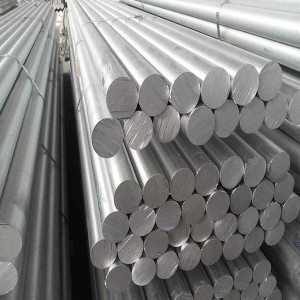
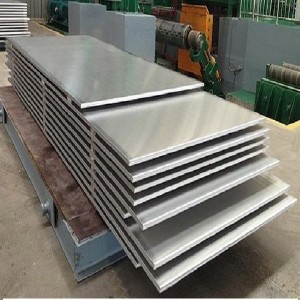
China Aluminum Coil For Roofing Sheet Manufacturer, Factory & Suppliers should be evaluated by alloy grade, temper, thickness, width, surface finish, coating needs, packaging method, and export order details. The right supplier discussion starts with the roofing application and the required coil configuration.
For an operations manager, the key task is matching material, size, and configuration to production or project use. Share the required specifications, quantity range, delivery destination, and any sample or inspection needs so the supplier can respond with relevant options.
Start with a specification checklist for aluminum coil for roofing sheet. Confirm alloy, temper, thickness, width, coil inner diameter, surface treatment, color or coating requirements, and tolerance expectations. If the coil will be processed into roofing sheets, include forming, cutting, or installation-related needs.
Next, review application fit. Roofing projects may require different surface appearances, corrosion resistance considerations, or forming performance depending on the environment and final sheet profile. Providing drawings, reference samples, photos, or previous purchase specifications can help the supplier understand the target configuration.
Before requesting pricing, prepare the order framework. Include estimated quantity, packing preference, destination port or delivery location, target schedule, required documents, and whether samples are needed before mass ordering. This helps compare supplier replies on the same basis.
During supplier communication, ask how material details are confirmed, what quality checks can be discussed, and how after-sales questions are handled if specifications or packaging need review. A useful sourcing response should address technical details clearly rather than only sending a general product list.