China aluminum coil stock suppliers | SUZHOU TOP METAL MATERIALS CO.,LIMITED

China aluminum coil stock suppliers

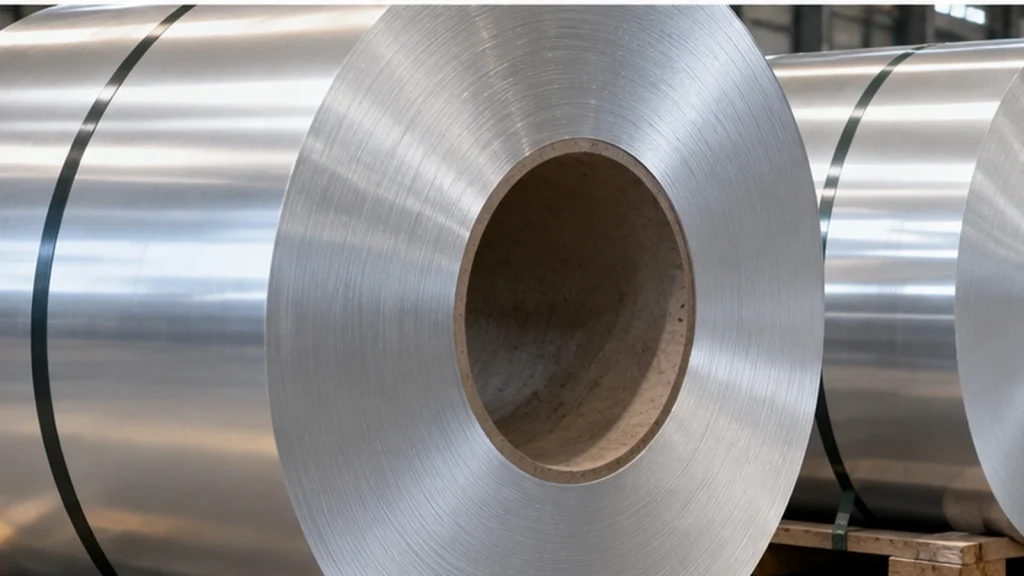
Aluminum coil stock for forming, cladding or fabrication needs to match the work that follows delivery. Alloy and temper affect how the metal bends; thickness and width affect fit and yield. For buyers sourcing from China, the first decision is which combination suits the application, not which quote has the lowest unit price.

Related Products

Match coil stock to the forming job

Coil selection criteria

Match coil stock to the operation first, then check alloy, temper, thickness, width and surface condition. Coil handling and packaging requirements also matter if damage to edges or a finished face would disrupt production.

Criterion What To Check Why It Matters Buyer Tip
Alloy and temper Match the proposed alloy and temper to the forming, strength and corrosion requirements of the finished part. Coil with the right dimensions can still crack during forming or perform poorly in service. What alloy and temper do you propose for our application, and what documents identify the supplied material?
Thickness and width Specify nominal dimensions, acceptable tolerances and whether width is measured before or after slitting. Dimensional variation affects feeding, part fit and scrap. Can you confirm the thickness and slit-width tolerances on the quotation?
Surface condition State whether the coil must be bare or prepainted, and identify the face that must remain suitable for finishing or visible use. Surface marks or an unsuitable coating can cause rejection even when the metal grade is correct. What surface condition and handling protection can you supply for the exposed face?
Coil form and handling Confirm inside diameter, winding direction, edge condition and maximum coil weight against your equipment. A coil that cannot fit the line or feed cleanly creates handling problems and downtime. Can you supply coils in the form our line accepts, including the required edge condition?
Supply and quote scope When comparing suppliers in China, ask who manufactures the coil, which factory performs any slitting, and what the quote includes. Differences in processing responsibility, packing and delivery terms can make quotes hard to compare. Are you the manufacturer or a supplying company, and who is responsible for slitting and packing this order?

Set the specification before comparing quotes

A manufacturer makes the coil, while a supplier may also source, slit or arrange finishing through other facilities. That distinction matters when an order needs a particular finish, narrow widths or consistent repeat batches. Ask who will produce and process the material, and who will resolve a specification issue if the delivered coil does not match the order.

Start with the forming operation and service environment. A coil intended for deep forming has different temper priorities from one chosen for stiffness or corrosion resistance. If an alloy is already specified on a drawing, keep it in the inquiry rather than accepting a substitute based on price alone.

State thickness and width in clear units, along with the tolerances your process needs. Check whether the quoted width is mill width or slit width. Ordering by gauge name alone can cause confusion because gauge conventions do not always identify one exact thickness.

For painted or other visible surfaces, describe the finish, exposed side and subsequent bending or forming. Appearance and coating flexibility both matter: a surface that looks right on a flat coil may not suit a tight formed profile. Agree on how the finish will be checked before ordering.

When comparing suppliers, ask what work is performed at the factory and what is subcontracted. Compare quotations on the same alloy, temper, dimensions, finish and coil packaging basis. Send a drawing or end-use description if one of those choices is uncertain, and ask SUZHOU TOP METAL MATERIALS CO.,LIMITED to confirm what it can supply against that specification.

Criteria Importance Description Example Options
Alloy and temper Determines whether the coil suits the required forming and service conditions. Compare the specified combination, not alloy names in isolation; a change in temper can change forming behavior. A part with a demanding bend may need a different temper from a flat cut part.
Mill width versus slit width Affects usable yield and whether the coil feeds the intended equipment. Confirm the delivered width, width tolerance and whether slitting is included in the quote. A quote for mill-width coil is not directly comparable with one for coils slit to the required feed width.
Surface and edge condition Matters most when the finished face remains visible or edge damage can interrupt processing. Specify the exposed face, acceptable surface condition and any edge requirements relevant to the next operation. A visible panel may need closer attention to surface handling than a concealed cut part.
Coil handling requirements Affects compatibility with receiving and feeding equipment. Agree on coil inner diameter, acceptable coil weight and packaging requirements before comparing offers. Two coils of the same alloy and width may not be equally practical if one cannot be handled by the buyer’s equipment.
Quote and responsibility scope Shows whether competing offers cover the same work. Identify who produces the coil, who performs any finishing, and which party is responsible for resolving a specification mismatch. One offer may include slitting and protective packaging while another covers only the unslit coil.

Product Selection

Related Options

For a formed, visible panel, bend performance and surface consistency may deserve more attention than the lowest quoted coil price. For parts cut and formed out of sight, dimensional fit and material yield may drive the choice instead.

Blog Articles / Reviews

Frequently Asked Questions

Can the same coil stock be used for both formed panels and flat cut parts?

Possibly, but the forming operation should drive the choice. A temper that gives a flat part the stiffness it needs may crack during a demanding bend, so share the part drawing or forming method before settling on one specification.

Should I choose 3003 or 5083 alloy?

3003 is often considered for formed general-purpose parts, while 5083 may be considered where greater strength or corrosion resistance is needed. Neither alloy name settles the choice on its own: temper, forming demands and service conditions still matter.

Does buying from a manufacturer mean every processing step happens in one factory?

Not necessarily. Slitting, painting or other finishing may be handled separately, so ask which facility performs each step and who is responsible for the finished coil meeting the agreed specification.

Is coil stock the same as material ready for immediate shipment?

No. “Coil stock” describes the material form; it does not establish that a particular alloy, temper, width or finish is available now. Ask the supplier to confirm availability against your full specification.

What should I check when comparing quotes from suppliers in China?

Check that each quote covers the same material and processing scope, including slit width, finish, packaging and the basis for the quoted quantity. Also confirm the proposed delivery terms and what documentation will accompany the coils, rather than comparing unit prices alone.

Leave Your Message

Tell us the intended application, required alloy and temper if known, and the coil dimensions and finish you need. We can then discuss whether those requirements can be met.