
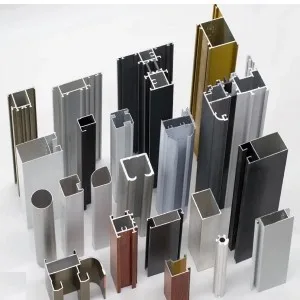
Anodized industrial aluminum profile extrusion
Anodized aluminum profiles extrusion can be seen in architectural and construction projects, in electronic and automotive industry, as well as in telecommunication and solar…
Read MoreAluminum Construction Profile Sourcing in China: Manufacturer, Factory and Supplier Guide | SUZHOU TOP METAL MATERIALS CO.,LIMITED
Use this page to evaluate China Aluminum Construction Profile Manufacturer, Factory & Suppliers from the perspective of OEM project planning. It brings together related products, practical selection checks, and buyer questions so your inquiry can be more specific from the beginning.
For a procurement manager, the most useful starting point is customization scope and sample approval. Review the product matches, comparison notes, FAQs, and recent buyer-style feedback before sending final requirements.
Anodized aluminum profiles extrusion can be seen in architectural and construction projects, in electronic and automotive industry, as well as in telecommunication and solar…
Read More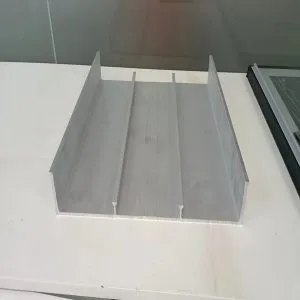
6061 aluminum formwork profiles are a common choice in modern construction projects due to their durability, versatility, and environmental benefits.
Read More
Aluminum profile refers to a long, narrow piece of aluminum that is used in construction and manufacturing. It is often used to create frames, rails, and other structural…
Read More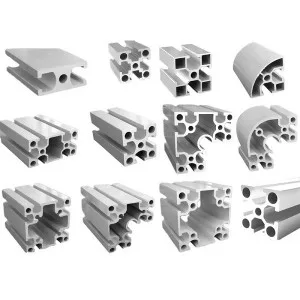
Custom Aluminium profile is widely used in construction, machinery, industry, etc. Aluminium profiles are a great way to add both style and function to your home.
Read More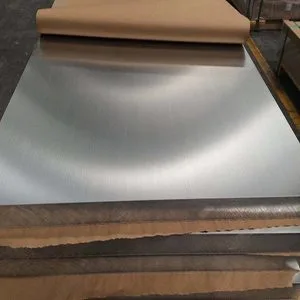
6063 aluminum plates are widely used in construction profiles, irrigation pipes, automated machinery parts, precision machining, mold manufacturing, electronics and precision instruments, etc. In addi…
Read More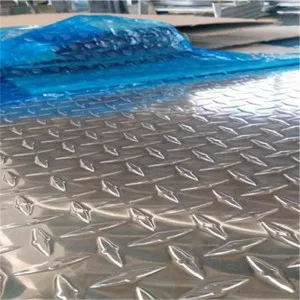
Commercial Grade Aluminum Plate offered in a Variety of Sizes,Variety of Applications. Great for Home or Office,and construction,fabricated manufacturers,Variety alloy grade available
Read MoreAluminum Construction Profile Product Guide
The related product list helps you compare China Aluminum Construction Profile Manufacturer, Factory & Suppliers by actual product direction rather than keyword wording alone. Check whether each product supports OEM project planning, then use the table below to prepare a clearer RFQ.
| Criterion | What To Check | Why It Matters | Buyer Tip |
|---|---|---|---|
| Application fit | Match profile series, load use, and assembly area. | Avoids wrong shortlist for OEM planning. | Share drawings and end-use photos. |
| Customization scope | Confirm alloy, temper, size, surface, and drilling needs. | Defines whether the factory can quote accurately. | List must-have and optional specs. |
| Sample approval | Request sample, finish reference, and tolerance review. | Reduces bulk order mismatch risk. | Approve samples before mass production. |
| RFQ clarity | Include quantity, length, packaging, and delivery terms. | Helps suppliers compare requirements clearly. | Use one RFQ format for all suppliers. |
| Export readiness | Review packing, labels, documents, and shipping needs. | Supports smoother international order handling. | Confirm carton or bundle standards early. |
A China Aluminum Construction Profile Manufacturer, Factory & Suppliers search should help you identify suppliers that can match your construction application, drawing requirements, surface treatment needs, and order process. The best first inquiry explains where the profile will be used and what must be customized.
Procurement managers should request specifications, sample options, MOQ details, packaging requirements, and estimated production timing. This makes supplier replies easier to compare and supports a faster decision on whether to proceed with samples or a formal quotation.
Start by defining the application for the aluminum construction profile. Include installation environment, profile function, required size range, preferred finish, and any drawing or sample reference. Clear application details help the supplier confirm whether an existing profile is suitable or whether customization is needed.
For OEM project planning, clarify the customization scope early. Ask about extrusion size options, surface treatments, machining, cutting length, drilling, logo or packaging needs, and whether sample approval is available before bulk production. This reduces misunderstandings during quotation and production review.
When preparing an RFQ, provide estimated quantity, destination port or country, target delivery schedule, packaging expectations, and inspection requirements. If the project has multiple profile types, send a structured list so the supplier can quote each item clearly.
Compare suppliers by how well they respond to your application, not only by unit price. Useful replies should address specification fit, sample preparation, lead-time questions, export packaging, and what information is still needed before confirming a bulk order.
| Criteria | Importance | Description | Example Options |
|---|---|---|---|
| Application fit | High | Matches profile to project use | Frame, rail, bracket |
| Customization scope | High | Checks drawing and finish options | Length, holes, anodized |
| Sample approval | High | Confirms before bulk order | Dimension and finish check |
| RFQ completeness | Medium | Improves supplier review accuracy | Drawing, quantity, destination |
| Export packaging | Medium | Protects profiles in transit | Film, labels, bundles |
Recommended Products
Top product matches should be reviewed by fit, specification clarity, customization readiness, and how well they support application matching. Use these factors to shortlist practical options before contacting the supplier.






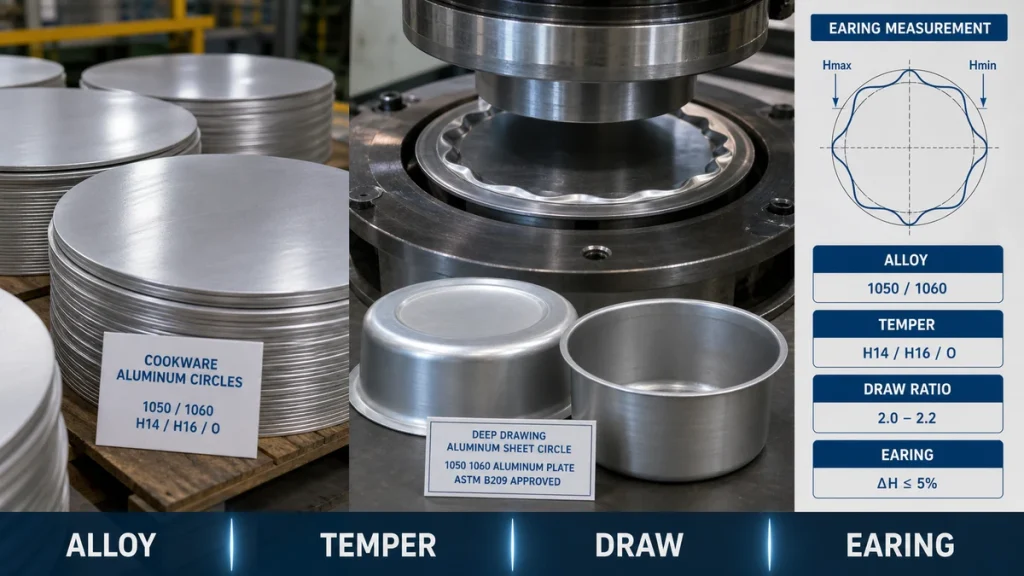
For cookware manufacturers and aluminum-disc procurement engineers, when assessing cookware aluminum circles, the practical answer is to choose alloy and temper from the vessel geometry, draw ratio, a…
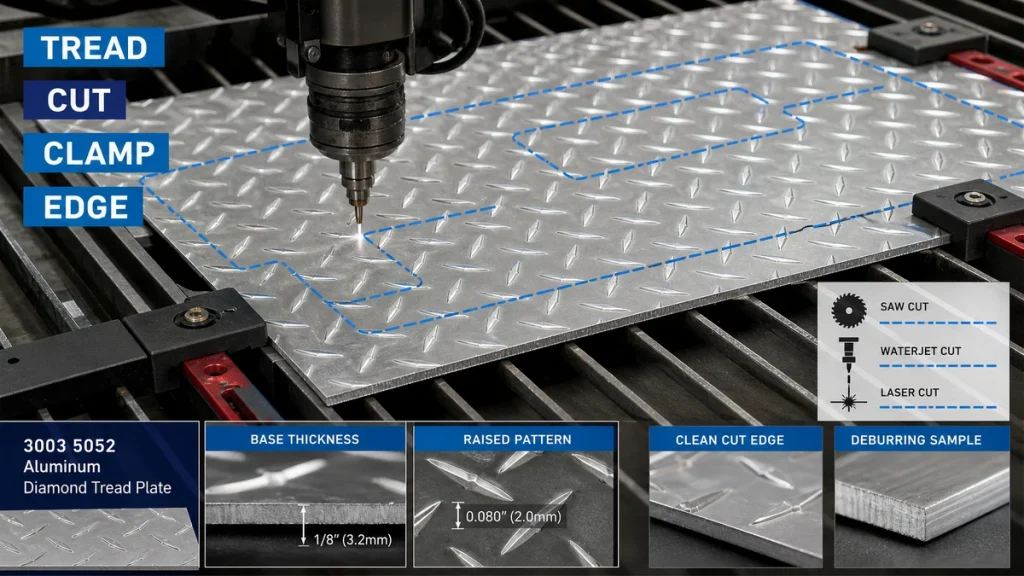
How Should Fabricators Cut Diamond Tread Aluminum Sheet Without Distorting the Pattern or Edges? For fabricators of flooring, steps, toolboxes, and industrial panels, when assessing how to cut diamond…

Buyers should send the required alloy, temper, thickness, sheet size, hole shape, hole size, pitch, pattern orientation, open area, blank margins, tolerances, finish, flatness, burr direction, drawing…

Is Your Aluminum Bar Causing CNC Turning Runout? Aluminum bar may contribute to CNC turning runout when it is bent, out of round, inconsistent in diameter, damaged near the clamping area, or deformed …

Aluminum sheet flatness should be specified before purchase, especially when the material will be laser cut, punched, bent, machined, laminated, or used as a visible panel. This matters to sheet-metal…
Recent buyer feedback can help procurement managers understand how others compare specifications, prepare RFQs, check export order needs, and review supplier communication before moving forward.
I used the aluminum construction profile page to separate standard framing questions from custom drawing points before contacting a China supplier for our facade mockup.
I was checking aluminum construction profile options for interior partition frames, and the page helped me ask clearer questions about alloy, surface finish, and cut length.
I needed a quick reference for aluminum construction profile terminology, and this tag page made my RFQ notes less vague for a renovation project.
I compared several aluminum construction profile uses here and came away with a better checklist for profile shape, mounting method, and visible finish.
Match the aluminum construction profile to the OEM project’s load, assembly method, surface exposure, and dimensional tolerance needs. Share drawings, end-use details, and installation conditions so the supplier can confirm suitable profile type and processing options.
Include alloy preference, temper, profile drawing, wall thickness, length, surface finish, machining needs, hole positions, and tolerance requirements. Clear customization data helps the manufacturer review feasibility and prepare samples aligned with your project shortlist.
Define the sample purpose, required dimensions, finish expectations, inspection points, and approval documents before production discussion. This gives both teams a common reference for checking whether the profile matches the intended construction application.
An RFQ should include drawings, estimated quantity, packaging preferences, target application, surface treatment, machining scope, and destination requirements. Procurement teams can also note whether samples are needed before confirming bulk order specifications.
Ask about the review time for drawings, tooling discussion if applicable, sample preparation process, production scheduling factors, and export documentation steps. Avoid assuming fixed timelines until the supplier checks profile complexity and order requirements.
Clarify bundle size, surface protection, film or paper separation, carton or wooden packaging needs, labeling format, and handling requirements. Packaging should protect profile surfaces and support easy identification during OEM project receiving and inspection.
Send your application details, drawings or sample references, estimated quantity, destination, packaging needs, and target schedule so the supplier can respond with a more practical quotation.